
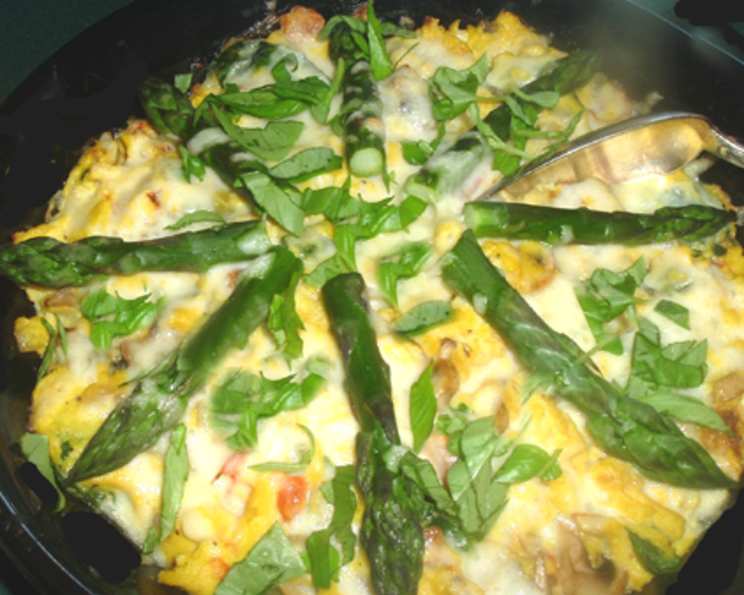
Sarah McLachlan’s Asparagus Frittata: A Symphony of Spring Flavors
There are certain dishes that instantly transport you back to a specific moment in time. For me, frittatas evoke memories of lazy Sunday brunches with my grandmother. The aroma of eggs mingled with sauteed vegetables always filled her cozy kitchen, a space filled with laughter, stories, and the comforting sounds of pans sizzling on the stove. While her recipe was a closely guarded secret, Sarah McLachlan’s Asparagus Frittata brings me surprisingly close to those cherished memories, offering a similar warmth and rustic elegance in every bite. It’s a dish that truly sings of springtime.
Recipe Overview
- Prep Time: 15 minutes
- Cook Time: 25 minutes
- Total Time: 40 minutes
- Servings: 4
- Yield: 1 Frittata
- Dietary Type: Vegetarian
Ingredients
- 5 stalks fresh asparagus
- 8 large eggs, beaten
- ¼ cup milk
- ⅛ teaspoon ground nutmeg
- Salt and freshly ground black pepper
- 1 medium onion, sliced
- 2 teaspoons canola oil
- 6 fresh button mushrooms, sliced
- 1 cup fresh spinach, chopped
- 2 roma tomatoes, chopped (plum)
- ¼ lb mozzarella cheese, shredded
- 1 bunch basil, thinly sliced
Equipment Needed
- Oven
- Ovenproof skillet (preferably cast iron)
- Whisk
- Steamer or pot for blanching
- Cutting board
- Knife
Instructions
-
Preheat your oven to 350°F (180°C). This ensures the frittata cooks evenly throughout.
-
Prepare the asparagus: Remove the tough ends of the asparagus and discard them. Blanch or steam the asparagus for 5 minutes, or until it turns a vibrant green and becomes slightly tender. Immediately rinse the asparagus under cold water to stop the cooking process and preserve its bright color. Drain the asparagus thoroughly.
-
Prepare the egg mixture: In a bowl, beat together the eggs and milk. Season the mixture with nutmeg, salt, and pepper. Set this aside for now to allow the flavors to meld. The nutmeg adds a subtle warmth that complements the vegetables beautifully.
-
Sauté the vegetables: In an ovenproof skillet, ideally a cast iron one, heat the canola oil over medium heat. Add the sliced onion and sauté until it becomes translucent, about 5 minutes. Next, add the sliced mushrooms and continue to sauté until they turn golden brown, approximately 5-7 minutes.
-
Wilt the spinach: Add the chopped spinach to the skillet with the onions and mushrooms. Cook until the spinach is completely wilted, which should only take a minute or two. Stir occasionally to ensure even cooking.
-
Add the tomatoes: Add the chopped roma tomatoes to the skillet and stir to combine with the other vegetables.
-
Combine and bake: Pour the egg mixture into the skillet, ensuring it evenly coats the vegetables. Stir briefly to distribute the ingredients.
-
Top and bake: Sprinkle the shredded mozzarella cheese evenly over the top of the frittata. Arrange the blanched asparagus decoratively on top of the cheese. Sprinkle the thinly sliced basil over the entire frittata.
-
Bake in the preheated oven for 10 to 15 minutes, or until the cheese is melted, bubbly, and lightly golden brown. The frittata should be set in the center and no longer jiggly.
-
Remove from the oven and let cool for a few minutes before slicing and serving.
Expert Tips & Tricks
- Don’t overcook the asparagus: Blanching it perfectly ensures it retains its vibrant color and slight crunch. Overcooked asparagus becomes mushy and loses its appealing texture.
- Use a cast iron skillet: If you have one, a cast iron skillet is ideal for this frittata. It heats evenly and retains heat well, ensuring a perfectly cooked frittata with a slightly crispy edge. If you don’t have a cast iron skillet, any ovenproof skillet will work.
- Customize your cheese: Feel free to experiment with different cheeses. Fontina, Gruyere, or even a sprinkle of Parmesan would all be delicious additions.
- Make it ahead: You can prepare the vegetable mixture ahead of time and store it in the refrigerator. When you’re ready to bake the frittata, simply add the egg mixture and bake as directed.
- Ensure even cooking: Keep an eye on the frittata while it’s baking. If the top is browning too quickly, you can tent it with foil to prevent burning.
- For a fluffier frittata: Whisk a tablespoon of cream cheese into your eggs. This is a restaurant trick that adds richness and helps the frittata puff up beautifully.
Serving & Storage Suggestions
This Asparagus Frittata is delicious served warm or at room temperature. It makes a wonderful addition to a brunch spread, a light lunch, or a simple supper. Pair it with a fresh green salad and a slice of crusty bread for a complete meal.
Leftover frittata can be stored in an airtight container in the refrigerator for up to 3 days. Reheat gently in the microwave or oven until warmed through. You can also enjoy it cold straight from the fridge. Freezing is not recommended as the texture of the eggs can become rubbery upon thawing.
Nutritional Information
| Nutrient | Amount per Serving | % Daily Value |
|---|---|---|
| Calories | 288 kcal | N/A |
| Calories from Fat | 173g | 60% |
| Total Fat | 19.3g | 29% |
| Saturated Fat | 7.4g | 37% |
| Cholesterol | 447.5mg | 149% |
| Sodium | 334.7mg | 13% |
| Total Carbohydrate | 7.7g | 2% |
| Dietary Fiber | 1.5g | 6% |
| Sugars | 3.7g | 14% |
| Protein | 21g | 42% |
Note: Nutritional information is an estimate and may vary based on specific ingredients and cooking methods.
Variations & Substitutions
- Dairy-Free: Substitute the milk with almond milk or another plant-based milk alternative. Use a dairy-free mozzarella alternative.
- Gluten-Free: This recipe is naturally gluten-free.
- Add Herbs: Experiment with different herbs, such as chives, parsley, or dill.
- Different Vegetables: Feel free to add or substitute other vegetables based on what you have on hand. Bell peppers, zucchini, or sun-dried tomatoes would all be delicious additions.
- Spicy Kick: Add a pinch of red pepper flakes to the egg mixture for a touch of heat.
- Meat Lovers: Add cooked bacon, sausage, or ham to the vegetable mixture for a heartier frittata.
FAQs (Frequently Asked Questions)
Q: Can I use frozen asparagus instead of fresh?
A: While fresh asparagus is preferred for its superior flavor and texture, you can use frozen asparagus if necessary. Be sure to thaw and drain it well before adding it to the frittata.
Q: How do I know when the frittata is done?
A: The frittata is done when the cheese is melted and bubbly, the eggs are set, and the center is no longer jiggly. You can also insert a knife into the center; it should come out clean.
Q: Can I make this frittata in a muffin tin?
A: Yes, you can! This recipe can easily be adapted to make mini frittatas in a muffin tin. Simply divide the vegetable mixture and egg mixture evenly among the muffin cups and bake until set. Reduce the cooking time accordingly.
Q: Can I add cheese other than mozzarella?
A: Absolutely! Feel free to experiment with different cheeses, such as cheddar, Gruyere, or Parmesan.
Q: What can I serve with this frittata?
A: This frittata is delicious served with a fresh green salad, crusty bread, or a side of fruit. It also pairs well with a cup of coffee or tea.
Final Thoughts
Sarah McLachlan’s Asparagus Frittata is more than just a recipe; it’s an invitation to embrace the flavors of spring and create a dish that’s both simple and elegant. Whether you’re hosting a brunch for friends or simply looking for a quick and easy weeknight meal, this frittata is sure to please. So, gather your ingredients, preheat your oven, and get ready to create a culinary masterpiece that will have everyone singing your praises. Don’t hesitate to experiment with your favorite vegetables and cheeses to make it your own. And most importantly, enjoy the process of creating something delicious and nourishing! Share your frittata creations and experiences!