
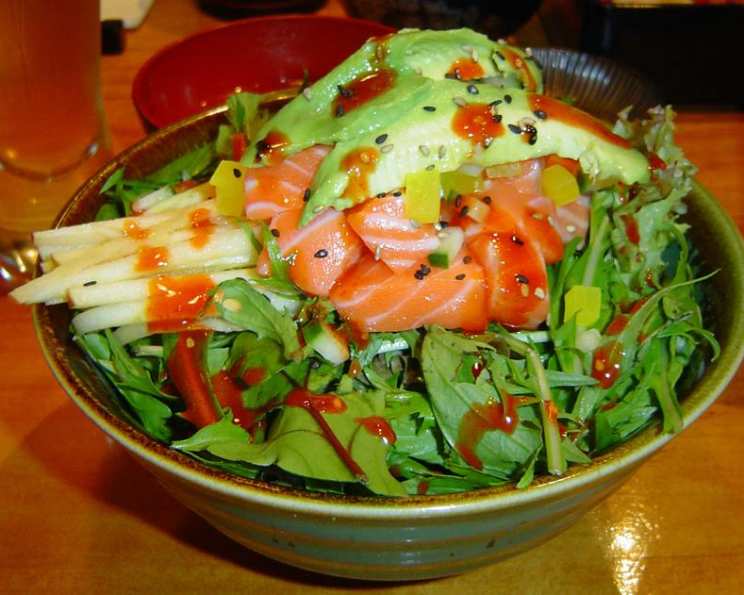
Sashimi Donburi: A Symphony of Flavors and Textures
I can still picture myself, a wide-eyed culinary student on a budget, stumbling upon a tiny, unassuming Japanese eatery tucked away on a quiet side street. The aroma of perfectly cooked rice mingled with the subtle, enticing scent of the ocean. It was there I tasted my first Sashimi Donburi. The explosion of freshness from the raw fish, the satisfying chew of the rice, the vibrant crunch of the vegetables, and the spicy kick of the Sriracha – it was a revelation. This dish became my go-to comfort meal, a simple yet elegant expression of Japanese culinary artistry that I’ve been recreating and perfecting ever since.
Recipe Overview
- Prep Time: 25 minutes
- Cook Time: 20 minutes
- Total Time: 45 minutes
- Servings: 2
- Yields: 2 Bowls
- Dietary Type: Gluten-Free (with gluten-free soy sauce)
Ingredients
- 1 cup sushi rice
- 2 cups water
- 1 teaspoon vinegar, white will do fine
- 4 tablespoons Japanese style panko breadcrumbs
- 1 tablespoon sesame oil
- 1⁄4 teaspoon garlic salt
- 1⁄2 cup cucumber, chopped into small cubes, I use telegraph cucumbers
- 1⁄2 cup orange bell pepper, chopped into small cubes (or a mixture of red yellow, and orange)
- 2 cups fresh salad greens, I use a mixture of organic Spring Mix and also baby spinach
- 1 -2 teaspoon black sesame seed
- 6 -8 cherry tomatoes, cut in half
- 1⁄2 ripe avocado, I use the large Haas, sliced 1/4 inch wide, longways
- 1⁄2 lb raw salmon, very fresh, cubed, white fish works well also as does a mixture of fishes
- 1 -2 tablespoon lemon juice, fresh squeezed
- 4 tablespoons soy sauce, good quality organic is what I use
- 4 tablespoons chili sauce, Sriracha is what I use, it’s hot
Equipment Needed
- Rice cooker (optional, but recommended)
- Small skillet
- Cutting board
- Sharp knife
- Mixing bowls
- Paper towels
- Salad spinner (optional)
Instructions
-
This may seem daunting at first glance, but trust me, it’s simpler than it looks. After making it once, you’ll be a pro! It is very important to use the freshest fish possible, and use raw fish. Smoked or cooked fish simply won’t do. Keep the fish refrigerated until the last step to maintain its coolness.
-
I prefer using a rice cooker for ease. While the rice is cooking (about 20 minutes), prepare the rest of the dish.
-
If possible, use good quality sushi rice. If not, short-grain white rice will work, although the results won’t be quite as sublime. Rinse the rice thoroughly before placing it in the rice cooker. If you don’t have a rice cooker, follow the package directions. A generally reliable ratio is 1 cup rice to 2 cups water. Once the rice is in the cooker, add the water and stir. Turn the rice cooker on and let it cook.
-
Next, place the sesame oil in a small skillet over medium-low heat. Once heated, add the panko breadcrumbs and garlic salt. Stir continuously. The goal is to warm the crumbs and make them crunchy without burning them or letting them turn dark brown. This process should only take about 3 minutes. Taste a few crumbs (carefully, they might be hot!) and add more salt if needed. Once the crumbs are toasted to your liking, remove the pan from the heat and pour the crumbs onto a paper towel or napkin to cool.
-
While the rice is cooking and the crumbs are toasting, start on the vegetables. Chop the cucumber and bell peppers into small, uniform cubes. Using a variety of colors is key to making the dish visually appealing. Slice the cherry tomatoes lengthwise. You can prepare the chopped vegetables a few hours in advance and store them in the fridge.
-
Your salad greens should be nice and leafy. Avoid iceberg lettuce for this dish. Opt for a Spring Mix or Baby Spinach, or a mixture of both, for the best texture, flavor, and nutritional value. Ensure the greens are washed and well-drained. A salad spinner is useful for this.
-
By now, your rice should be nearly done. Once it’s finished, remove the inner pan from the rice cooker and let it begin to cool. Do not rinse the rice. Add the vinegar into the rice after about 5 minutes of cooling, It provides a sheen and stickiness that helps the greens and vegetables adhere to the rice.
-
Place about a cup of rice (or a little less) in the bottom of a deep, pretty single-serving bowl.
-
Sprinkle about half a teaspoon of black sesame seeds on top of the rice. Add a generous handful (about a cup) of salad greens.
-
Now sprinkle the greens with your chopped bell pepper and cucumber cubes.
-
Cut up the fish. Wash the salmon filet well and pat it dry with a paper towel. Place it on a cutting board and remove any skin. Slice the fish into thin slices, then cut each slice into small pieces or cubes. If you haven’t tried raw salmon before, start with smaller pieces to get used to the texture.
-
Place the cubed fish in a bowl and squeeze fresh lemon juice over it (about a tablespoon or so).
-
Wash your hands and grab the avocado. Cut the avocado lengthwise around the pit. Twist the avocado to separate the two halves. Wrap the half with the pit and store it in the fridge for later. Cut the remaining half lengthwise into quarters. Peel each quarter, starting at the narrow end. Sprinkle a bit of lemon juice over the wedges and slice them lengthwise or crosswise.
-
Arrange the avocado slices around the top of each bowl in a sunburst pattern. Place cherry tomato halves between the avocado slices.
-
Place a pile of salmon in the middle of the salad. Sprinkle a few more black sesame seeds on top. Sprinkle the cooled panko crumbs over the salmon.
-
Serve your Sashimi Donburi with a drizzle of soy sauce and Sriracha sauce. Use the Sriracha sauce sparingly if you don’t enjoy spicy food.
-
As you eat, dig down to the bottom and mix the rice with the fish and salad. Add more soy sauce and hot sauce as needed.
Expert Tips & Tricks
- Fish Freshness: The absolute freshest fish is paramount. If you’re unsure about the quality of your local fish market, ask your fishmonger when the fish was delivered and look for bright color and a fresh, clean smell.
- Rice Temperature: Allowing the rice to cool slightly before adding the vinegar is essential. If the rice is too hot, the vinegar will evaporate, reducing its effectiveness in adding flavor and stickiness.
- Panko Crispiness: Keep a close eye on the panko crumbs while toasting. They can go from golden brown to burnt very quickly.
- Avocado Prevention: Prevent browning by brushing the avocado slices with a little extra lemon juice.
- Customize the Heat: If you’re spice-averse, start with a tiny drop of Sriracha or use a milder chili sauce. You can always add more, but you can’t take it away!
Serving & Storage Suggestions
Serve Sashimi Donburi immediately after assembly for the best taste and texture. The dish is best consumed fresh.
Due to the raw fish content, leftovers should be refrigerated promptly and consumed within 24 hours. It’s not recommended to freeze Sashimi Donburi. The texture of the rice and raw fish will be negatively affected by freezing and thawing.
Nutritional Information
| Nutrient | Amount per Serving | % Daily Value |
|---|---|---|
| Calories | 843.4 kcal | N/A |
| Calories from Fat | 201 g | 24% |
| Total Fat | 22.4 g | 34% |
| Saturated Fat | 3.6 g | 17% |
| Cholesterol | 52.1 mg | 17% |
| Sodium | 2802.9 mg | 116% |
| Total Carbohydrate | 117.5 g | 39% |
| Dietary Fiber | 12.2 g | 48% |
| Sugars | 10.4 g | N/A |
| Protein | 41.3 g | 82% |
Variations & Substitutions
- Fish Alternatives: While salmon is a classic choice, tuna, yellowtail (hamachi), or a mix of different fish can be used. For a cooked option, consider grilled shrimp or teriyaki chicken.
- Vegetarian/Vegan: Tofu or marinated mushrooms can be used in place of the fish.
- Grain Alternatives: Brown rice or quinoa can be used instead of sushi rice, though the texture and flavor profile will change slightly.
- Spice Level: Adjust the amount of Sriracha or use a milder chili sauce like gochujang for a less intense flavor.
- Seasonal Vegetables: Feel free to incorporate seasonal vegetables like edamame, radishes, or thinly sliced carrots.
FAQs (Frequently Asked Questions)
Q: Can I use frozen salmon for this recipe?
A: While fresh salmon is ideal, you can use frozen salmon if it’s sushi-grade and properly thawed in the refrigerator overnight. Ensure it’s completely thawed and pat it dry before using.
Q: What does “sushi-grade” mean?
A: “Sushi-grade” indicates that the fish has been handled and processed in a way that reduces the risk of parasites, but it doesn’t guarantee complete safety. Always purchase fish from a reputable source.
Q: Can I make this ahead of time?
A: It’s best to assemble the donburi just before serving. You can prepare the rice, vegetables, and panko crumbs in advance, but keep the fish refrigerated until the last minute.
Q: I don’t like Sriracha. What else can I use?
A: Gochujang (Korean chili paste), sambal oelek, or a simple drizzle of sesame oil are all great alternatives to Sriracha.
Q: How can I make this lower in sodium?
A: Use low-sodium soy sauce and avoid adding extra salt to the panko crumbs. You can also use fresh herbs and spices to enhance the flavor without adding sodium.
Final Thoughts
Sashimi Donburi is more than just a meal; it’s an experience. The interplay of textures, the freshness of the ingredients, and the customizable flavors make it a dish you’ll want to make again and again. Don’t be afraid to experiment with different fish, vegetables, and sauces to create your own signature version. I encourage you to try this recipe, share it with friends, and let me know what you think. Perhaps pair it with a chilled glass of sake for a complete Japanese dining experience.