
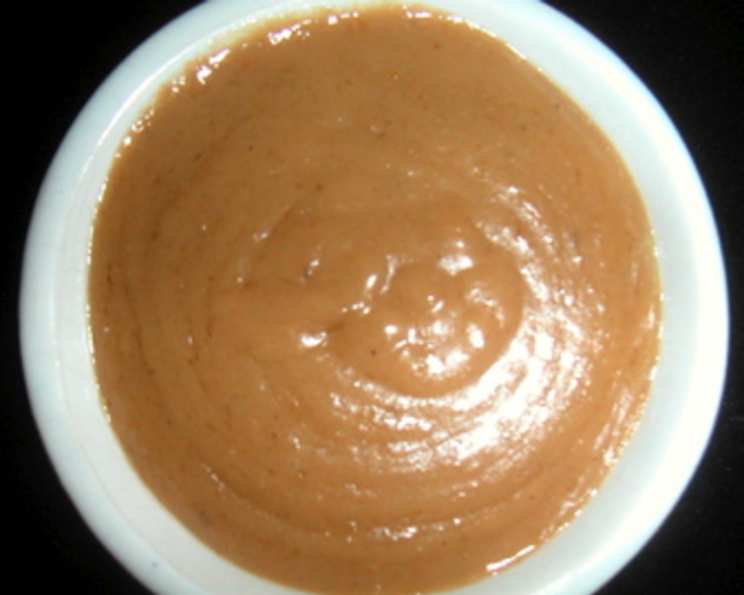
Satay Peanut Sauce (Nam Jim Satay): A Taste of Thailand
The first time I tasted authentic satay with its accompanying peanut sauce was at a bustling night market in Bangkok. The air was thick with the scent of grilling meats, exotic spices, and the sweet, nutty aroma that I now know so well as Nam Jim Satay. The vendor, with a practiced hand, fanned the charcoal flames, creating the perfect char on the skewers. Dipped generously in the creamy, slightly spicy peanut sauce, each bite was an explosion of flavor – a perfect balance of sweet, savory, and spicy that left me craving more. This recipe attempts to capture that memory, that perfect Thai street food experience, right in your own kitchen.
Recipe Overview
- Prep Time: 10 minutes
- Cook Time: 15 minutes
- Total Time: 25 minutes
- Servings: 4-6
- Yield: About 1 cup
- Dietary Type: Vegetarian (adaptable to Vegan)
Ingredients
- 1 tablespoon tamarind paste
- 2 tablespoons sugar
- 2 1/2 tablespoons peanut butter (Crunchy or smooth is fine)
- 2 tablespoons fish sauce (Substitute with soy sauce for vegan option)
- 1 tablespoon red curry paste
- 3/4 cup coconut milk (not creme of coconut)
Equipment Needed
- Medium Saucepan
- Whisk
Instructions
-
In a medium saucepan, pour in the coconut milk and warm over medium heat.
-
As the coconut milk begins to heat, add the red curry paste. Use a whisk to thoroughly blend the red curry paste into the coconut milk, ensuring there are no lumps.
-
Continue heating the mixture, allowing it to cook until you start to see the oil separating from the red curry paste and rising to the surface. This usually takes about 8-10 minutes. This step is crucial for releasing the full flavor of the curry paste.
-
Now, add the remaining ingredients: the tamarind paste, sugar, peanut butter, and fish sauce (or soy sauce substitute if making it vegan).
-
Continue blending all the ingredients together with the whisk until the sauce becomes smooth and well combined. Ensure the sugar is completely dissolved.
-
Once the sauce is smooth, reduce the heat to low and allow it to simmer for an additional 5 minutes. This simmering period allows the flavors to meld together, creating a richer and more complex sauce. Stir occasionally to prevent sticking.
-
Remove from heat. The sauce is now ready to be served in a small bowl or small plate alongside your favorite satay appetizers.
Expert Tips & Tricks
- Peanut Butter Choice: Don’t be afraid to experiment with different types of peanut butter. Crunchy adds a nice textural element, while smooth provides a silkier sauce. Natural peanut butter works well, but be sure to stir it thoroughly before adding it to the saucepan, as the oil tends to separate.
- Tamarind Paste Consistency: Tamarind paste can vary in consistency and sourness. Taste the sauce after adding it and adjust the sugar accordingly to achieve the desired balance of sweet and sour.
- Spice Level Adjustment: If you prefer a spicier sauce, add a pinch of red pepper flakes or a small amount of finely chopped Thai chili along with the red curry paste.
- Make-Ahead Tip: You can prepare the Nam Jim Satay sauce ahead of time and store it in the refrigerator for up to 3 days. Reheat gently on the stovetop or in the microwave before serving. You may need to add a splash of coconut milk to thin it out if it thickens too much during storage.
- Adjusting Thickness: If the sauce is too thick, add a little more coconut milk to reach your desired consistency. If it’s too thin, simmer it for a few more minutes to allow it to reduce.
Serving & Storage Suggestions
Serve the Nam Jim Satay sauce in small bowls or ramekins alongside grilled chicken satay, pork satay, or even vegetable skewers. Garnish with chopped peanuts and a sprig of cilantro for a visually appealing presentation.
Leftover sauce can be stored in an airtight container in the refrigerator for up to 3 days. It’s best not to leave it at room temperature for more than 2 hours. To reheat, gently warm on the stovetop over low heat or in the microwave in 30-second intervals, stirring in between. If the sauce has thickened too much, add a teaspoon or two of coconut milk to restore its original consistency. Freezing is not recommended as it can affect the texture of the peanut butter.
Nutritional Information
| Nutrient | Amount per Serving | % Daily Value |
|---|---|---|
| Calories | 220 kcal | 11% |
| Total Fat | 16g | 25% |
| Saturated Fat | 8g | 40% |
| Cholesterol | 0mg | 0% |
| Sodium | 450mg | 19% |
| Total Carbohydrate | 12g | 4% |
| Dietary Fiber | 2g | 7% |
| Sugars | 8g | – |
| Protein | 6g | 12% |
Note: Nutritional information is an estimate and can vary based on specific ingredients and serving sizes.
Variations & Substitutions
- Vegan Satay Sauce: Substitute the fish sauce with soy sauce or tamari to make this sauce completely vegan. You can also add a pinch of sea salt to enhance the umami flavor.
- Spicy Satay Sauce: Increase the amount of red curry paste or add a pinch of cayenne pepper for a spicier kick.
- Creamy Satay Sauce: For an even creamier sauce, add an extra 1/4 cup of coconut milk.
- Nut-Free Option: If you have a peanut allergy, you can try using sunflower seed butter or tahini as a substitute for the peanut butter. The flavor will be different, but still delicious.
- Regional Adaptation: In some regions of Thailand, roasted peanuts are ground and added to the sauce for a more intense peanut flavor and a slightly thicker consistency.
FAQs (Frequently Asked Questions)
Q: Can I use store-bought peanut sauce instead of making it from scratch?
A: While you can use store-bought peanut sauce, making it from scratch allows you to control the ingredients and adjust the flavors to your liking. The homemade version will almost always taste fresher and more vibrant.
Q: How do I prevent the peanut sauce from separating?
A: To prevent separation, make sure to stir the sauce frequently while it simmers. Also, avoid overheating it, as this can cause the oils to separate.
Q: Can I make this sauce without red curry paste?
A: The red curry paste adds a crucial layer of flavor to the sauce. If you don’t have it, you can try substituting it with a combination of garlic, ginger, lemongrass, and a pinch of chili flakes, but the flavor profile will be different.
Q: Is it okay to use sweetened peanut butter?
A: It’s best to use unsweetened peanut butter so you can control the overall sweetness of the sauce. If you only have sweetened peanut butter, reduce the amount of sugar in the recipe accordingly.
Q: What’s the best way to reheat leftover satay sauce?
A: Gently reheat the sauce on the stovetop over low heat or in the microwave in 30-second intervals, stirring in between. Add a splash of coconut milk if it has thickened too much.
Final Thoughts
Now it’s your turn to bring the vibrant flavors of Thailand into your kitchen. This Nam Jim Satay recipe is surprisingly simple to make and offers a world of flavor in every bite. Don’t hesitate to experiment with the ingredients to find your perfect balance of sweet, savory, and spicy. Whether you’re grilling chicken satay for a summer barbecue or simply looking for a delicious dipping sauce, this recipe is sure to impress. And if you tweak the recipe, please share your ideas with me. Enjoy!