
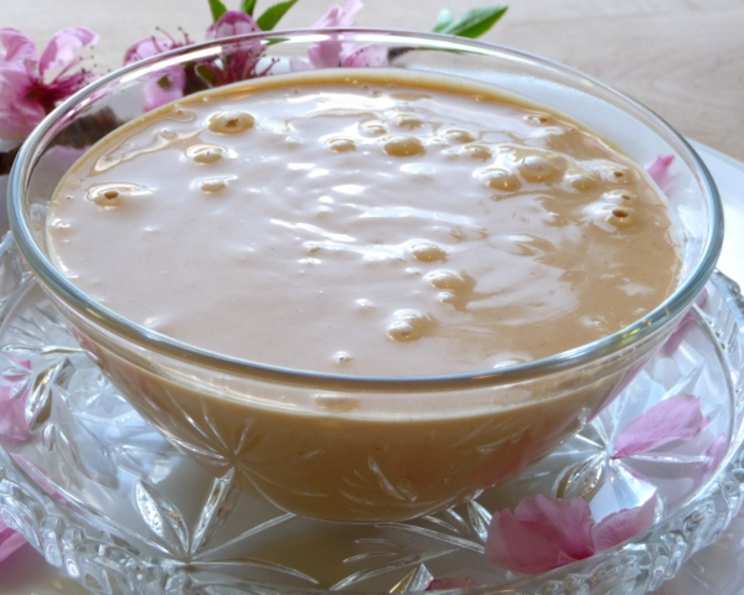
The Ultimate Satay Sauce: Creamy, Spicy, and Irresistibly Delicious
The first time I tasted authentic satay sauce was at a bustling night market in Kuala Lumpur. The air was thick with fragrant smoke from grilling meats, and the energy was electric. A vendor handed me a skewer of perfectly charred chicken, glistening with a rich, reddish-brown sauce. That single bite – the smoky char of the chicken, the creamy peanut base, the fiery kick of chili, and the subtle sweetness – transported me to another world. I’ve been chasing that perfect satay experience ever since, and this recipe, adapted from Nina Simonds’ “Asian Noodles,” gets me pretty darn close. It’s so versatile, and I find myself craving it on everything!
Recipe Overview
- Prep Time: 4 minutes
- Cook Time: 0 minutes (no cooking required beyond processing)
- Total Time: 4 minutes
- Yields: 2 1/2 cups
- Serves: 6
- Dietary Type: Gluten-Free (check soy sauce for gluten), Dairy-Free
Ingredients
- 1 1⁄4 cups coconut milk, stirred to blend
- 3⁄4 cup smooth peanut butter
- 3 tablespoons fish sauce
- 1 tablespoon soy sauce
- 3 tablespoons minced fresh ginger
- 3 tablespoons light brown sugar
- 1 teaspoon crushed red pepper flakes
Equipment Needed
- Food processor (or blender)
- Measuring cups and spoons
- Airtight container for storage
Instructions
- Gather all your ingredients. This will help ensure a smooth and efficient process.
- In the bowl of a food processor fitted with the metal blade, or in a blender, combine the 1 1/4 cups coconut milk, 3/4 cup smooth peanut butter, 3 tablespoons fish sauce, 1 tablespoon soy sauce, 3 tablespoons minced fresh ginger, 3 tablespoons light brown sugar, and 1 teaspoon crushed red pepper flakes.
- Process the mixture until completely smooth and creamy. Depending on your food processor or blender, this might take a minute or two. Stop and scrape down the sides as needed to ensure all ingredients are fully incorporated.
- Once the sauce is smooth, transfer it to an airtight container.
- Refrigerate the satay sauce in the covered container. It will keep for up to 5 days.
Expert Tips & Tricks
- Peanut Butter Perfection: The quality of your peanut butter will significantly impact the final flavor of the sauce. Opt for a smooth, natural peanut butter with no added sugar or stabilizers for the best results. If you prefer a chunkier texture, you can use chunky peanut butter, but be aware that the sauce will have a slightly coarser consistency.
- Ginger Grating: Fresh ginger is essential for the vibrant flavor of this sauce. Mincing it finely ensures that the ginger flavor is evenly distributed throughout. A microplane zester is an excellent tool for creating a very fine ginger paste, which will blend seamlessly into the sauce.
- Spice Level Adjustment: The 1 teaspoon of crushed red pepper flakes provides a moderate level of heat. If you prefer a milder sauce, reduce the amount of red pepper flakes, or omit them altogether. For a spicier kick, add more red pepper flakes to taste. Alternatively, you can use chili powder as a substitute for the crushed red pepper, as the original author does. Start with 1/2 teaspoon and add more to your preference.
- Balancing the Flavors: Taste the sauce after processing and adjust the flavors as needed. If it’s too salty, add a touch more brown sugar. If it’s too sweet, add a splash more fish sauce or soy sauce.
- Thinning the Sauce: If the sauce is too thick, you can thin it out by adding a tablespoon or two of water or additional coconut milk until it reaches your desired consistency. Remember that the sauce will thicken slightly as it chills.
- Coconut Milk Consideration: Full-fat coconut milk yields a richer, creamier sauce, but light coconut milk can be used for a slightly lighter version. Be sure to stir the coconut milk well before measuring, as the cream tends to separate.
Serving & Storage Suggestions
This satay sauce is incredibly versatile and can be used in a variety of ways:
- Grilled Meats: It’s the classic accompaniment to grilled chicken, beef, lamb, or pork skewers. Marinate the meat in the sauce before grilling, or serve it as a dipping sauce.
- Seafood: Drizzle it over grilled or pan-seared shrimp, scallops, or fish.
- Vegetables: Serve it with grilled or roasted vegetables like eggplant, zucchini, peppers, or broccoli.
- Noodles: Toss it with noodles (rice noodles, egg noodles, or even spaghetti) for a quick and flavorful meal.
- Tofu: It’s a great sauce for grilled or pan-fried tofu.
- Spring Rolls: Use it as a dipping sauce for fresh spring rolls or fried egg rolls.
Storage: Store leftover satay sauce in an airtight container in the refrigerator for up to 5 days. You can also freeze the sauce for longer storage. To freeze, transfer the sauce to a freezer-safe container, leaving some headspace for expansion. Thaw the sauce overnight in the refrigerator before using. You may need to stir it well after thawing as the sauce might separate slightly, but it will still be delicious.
Nutritional Information
| Nutrient | Amount per Serving | % Daily Value* |
|---|---|---|
| Calories | 341.8 kcal | N/A |
| Calories from Fat | 244 g | N/A |
| Total Fat | 27.2 g | 41% |
| Saturated Fat | 13 g | 65% |
| Cholesterol | 0 mg | 0% |
| Sodium | 1044.4 mg | 43% |
| Total Carbohydrate | 19.3 g | 6% |
| Dietary Fiber | 3.4 g | 13% |
| Sugars | 13.9 g | N/A |
| Protein | 10.6 g | 21% |
*Percent Daily Values are based on a 2,000 calorie diet.
Variations & Substitutions
- Gluten-Free: Ensure your soy sauce is gluten-free. Tamari is a good alternative.
- Nut-Free: Substitute sunflower seed butter or tahini for the peanut butter. The flavor will be different, but still delicious.
- Vegan: This recipe is naturally vegan!
- Spicier: Add more crushed red pepper flakes, chili powder, or a finely chopped fresh chili. You can also add a dash of sriracha or sambal oelek for extra heat.
- Sweeter: Add a touch more brown sugar or a drizzle of honey or maple syrup.
- Tangier: Add a squeeze of lime juice or a dash of rice vinegar for a brighter, tangier flavor.
- Herbaceous: Add some finely chopped fresh cilantro or basil for a fresh, herbaceous twist.
FAQs (Frequently Asked Questions)
Q: Can I make this satay sauce without a food processor or blender?
A: While a food processor or blender is ideal for achieving a perfectly smooth sauce, you can still make it by hand. Mince the ginger very finely and whisk all the ingredients together vigorously until well combined. The texture will be slightly coarser, but the flavor will still be delicious.
Q: How long does satay sauce last in the freezer?
A: Properly stored in a freezer-safe container, satay sauce can last for up to 2-3 months in the freezer. Be sure to thaw it completely in the refrigerator before using.
Q: Can I use regular milk instead of coconut milk?
A: Coconut milk is essential for the unique flavor and creamy texture of this satay sauce. Regular milk will not provide the same results. If you don’t have coconut milk, you could try using unsweetened almond milk or cashew milk for a slightly different, but still acceptable, result.
Q: My satay sauce is too thick. How can I thin it out?
A: Add a tablespoon or two of water or additional coconut milk until it reaches your desired consistency. Remember that the sauce will thicken slightly as it chills.
Q: Can I use a different type of sweetener besides brown sugar?
A: Yes, you can substitute honey, maple syrup, or agave nectar for the brown sugar. The flavor will be slightly different, but still delicious.
Final Thoughts
This satay sauce is a flavor bomb waiting to happen! It’s easy to make, incredibly versatile, and guaranteed to elevate any dish. Don’t be afraid to experiment with the ingredients and adjust the flavors to your liking. Whether you’re grilling up some skewers, tossing it with noodles, or simply using it as a dipping sauce, this recipe is sure to become a staple in your kitchen. I encourage you to give it a try and let me know what you think! What are your favorite ways to enjoy satay sauce? Share your creations and feedback – I’d love to hear from you!