
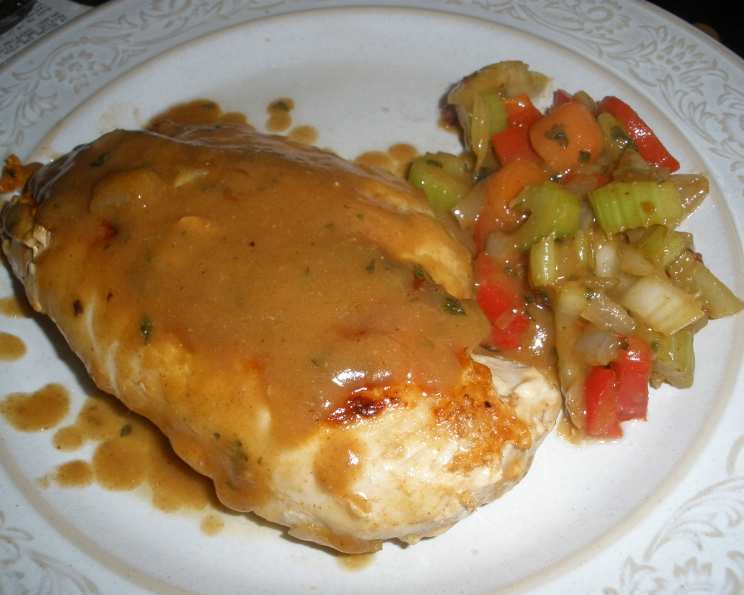
Sauce Espagnole: The Mother of All Brown Sauces
The first time I made Sauce Espagnole, I felt like I was unlocking a culinary secret passed down through generations. It was during my early days as an apprentice, and the head chef, a gruff but brilliant man, simply said, “Learn this, and you’ll understand all the rest.” The rich, deep aroma that filled the kitchen as the vegetables browned and the flour cooked was intoxicating. I remember thinking, this isn’t just a sauce; it’s a foundation. This experience instilled in me a profound respect for classic techniques and the power of a well-made sauce to transform a dish.
Recipe Overview
- Prep Time: 20 minutes
- Cook Time: 30 minutes
- Total Time: 50 minutes
- Servings: 4
- Yield: Approximately 2 cups
- Dietary Type: Generally not vegetarian/vegan (due to beef stock); can be adapted with vegetarian stock
Ingredients
- 2 tablespoons butter
- 2 tablespoons extra virgin olive oil
- 1 small onion, roughly chopped
- 1 stalk celery, roughly chopped
- 1 carrot, roughly chopped
- 2 bell peppers, roughly chopped (any color)
- 2 large parsley sprigs
- 1 bay leaf
- 3 tablespoons flour
- 1 whole clove
- 1 teaspoon salt
- 1 1/2 cups brown stock (beef), preferably homemade
Equipment Needed
- Large skillet or saucepan
- Whisk
- Fine-mesh strainer or chinois
Instructions
- Heat a large skillet or saucepan over medium heat. Ensure the pan is adequately sized to prevent overcrowding of vegetables.
- Once the pan is warm, add the butter and olive oil. Heat until the butter is melted and the mixture shimmers, indicating it’s ready for the vegetables.
- Add the roughly chopped onion, celery, carrot, bell peppers, parsley sprigs, and bay leaf to the pan. Stir frequently to ensure even cooking.
- Cook the vegetables until they are nicely browned, stirring occasionally. This step, called a mirepoix, is crucial for building the flavor base of the sauce. Allow approximately 10-15 minutes for proper browning. The Maillard reaction, the chemical reaction between amino acids and reducing sugars, is what creates the deep, complex flavor.
- In a small bowl, whisk together the flour, clove, and salt. This ensures even distribution of the seasonings throughout the sauce.
- Add the flour mixture to the pan with the browned vegetables. Stir constantly with a wooden spoon or spatula to prevent burning. This step creates a roux, which will thicken the sauce.
- Continue to cook the roux, stirring constantly, for about 1-2 minutes. This step is essential for cooking the flour and developing a nutty, toasted flavor. The flour should turn a light tan color, indicating it’s properly cooked.
- Slowly whisk in the brown stock, ensuring there are no lumps. Add the stock gradually, whisking continuously, to prevent the flour from clumping.
- Bring the sauce to a simmer, then reduce the heat to low. Allow the sauce to cook for about 5 minutes, or until it reaches the desired thickness. Stir occasionally to prevent sticking.
- Taste the sauce and adjust the seasoning with salt and pepper as needed. Remember that the flavor will intensify as the sauce reduces.
- Strain the sauce through a fine-mesh strainer or chinois to remove the solids, resulting in a smooth, velvety texture. Discard the vegetables and bay leaf.
- Serve immediately or refrigerate and reheat when needed. Whisk the sauce while reheating to maintain its smooth consistency.
Expert Tips & Tricks
- Browning is Key: The depth of flavor in Sauce Espagnole comes from the browning of the vegetables and the roux. Don’t rush this step.
- Homemade Stock: Using homemade brown stock will significantly enhance the flavor of the sauce. If using store-bought stock, opt for a low-sodium variety to control the salt content.
- Deglazing the Pan: If the vegetables stick to the bottom of the pan, add a splash of red wine or sherry vinegar to deglaze. Scrape up any browned bits, which will add even more flavor to the sauce.
- Thickening Consistency: If the sauce is not thick enough after simmering, you can whisk in a small amount of beurre manié (equal parts butter and flour kneaded together) or cornstarch slurry (cornstarch mixed with cold water).
- Enhancing Depth: For an even deeper flavor, consider adding a small amount of tomato paste to the vegetables while they are browning.
Serving & Storage Suggestions
Sauce Espagnole is a versatile sauce that can be used in a variety of dishes. It’s traditionally served with beef, veal, or poultry. It’s also a key ingredient in other classic sauces, such as demi-glace.
- Serving: Serve Sauce Espagnole warm over grilled steak, roasted chicken, or pan-seared veal. It also serves as a base for other sauces and stews.
- Storage: Store leftover Sauce Espagnole in an airtight container in the refrigerator for up to 3 days.
- Freezing: Freeze Sauce Espagnole in an airtight container for up to 2 months. Thaw overnight in the refrigerator before reheating.
- Reheating: Reheat Sauce Espagnole gently over low heat, whisking frequently to prevent separation. You may need to add a small amount of stock or water to thin the sauce if it becomes too thick.
Nutritional Information
| Nutrient | Amount per Serving | % Daily Value |
|---|---|---|
| Calories | 161.7 kcal | N/A |
| Calories from Fat | 115 g | 71% |
| Total Fat | 12.8 g | 19% |
| Saturated Fat | 4.7 g | 23% |
| Cholesterol | 15.3 mg | 5% |
| Sodium | 765.9 mg | 31% |
| Total Carbohydrate | 10.8 g | 3% |
| Dietary Fiber | 2 g | 8% |
| Sugars | 3.1 g | 12% |
| Protein | 2 g | 3% |
Variations & Substitutions
- Vegetarian Sauce Espagnole: Substitute the beef stock with a high-quality vegetable stock. Consider adding roasted mushrooms to the vegetables for added depth of flavor.
- Spicy Sauce Espagnole: Add a pinch of red pepper flakes or a dash of hot sauce to the vegetables while they are browning.
- Mushroom Sauce Espagnole: Add sliced mushrooms to the vegetables during the browning process.
- Herb Variations: Experiment with different herbs, such as thyme, rosemary, or oregano, in addition to or instead of parsley.
FAQs (Frequently Asked Questions)
Q: Can I use broth instead of stock?
A: While you can use broth, stock is preferred because it has a richer flavor and mouthfeel due to the gelatin extracted from the bones.
Q: How do I prevent the sauce from being lumpy?
A: Whisk the flour into the vegetables thoroughly and cook the roux properly before adding the stock. Add the stock gradually, whisking constantly.
Q: How do I fix a sauce that is too salty?
A: Add a small amount of water or unsalted stock to dilute the salt. You can also add a peeled potato to the sauce while it simmers; the potato will absorb some of the salt. Remove the potato before serving.
Q: Can I make this sauce ahead of time?
A: Yes, Sauce Espagnole can be made ahead of time and stored in the refrigerator for up to 3 days or frozen for up to 2 months.
Q: What is the best way to reheat Sauce Espagnole?
A: Reheat the sauce gently over low heat, whisking frequently to prevent separation. You may need to add a small amount of stock or water to thin the sauce if it becomes too thick.
Final Thoughts
Sauce Espagnole is more than just a recipe; it’s a cornerstone of classical cuisine. Mastering this sauce unlocks a world of possibilities and allows you to create countless variations and adaptations. Don’t be intimidated by the technique; with practice, you’ll find it becomes second nature. So, gather your ingredients, put on your apron, and embark on a culinary journey that will elevate your cooking to new heights. I encourage you to try this recipe and make it your own, experimenting with different flavors and ingredients. Pair it with a perfectly seared steak and a glass of bold red wine for a truly unforgettable meal. I’d love to hear your experiences and any creative twists you come up with!