
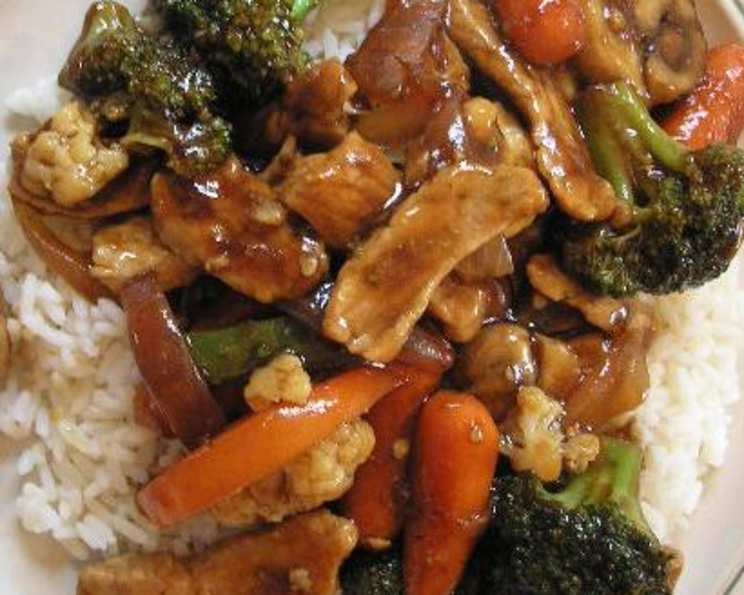
The Easiest Stir-Fry Sauce You’ll Ever Need
My earliest food memories are filled with the clatter of woks and the intoxicating aroma of soy sauce and ginger emanating from my grandmother’s kitchen. She was a master of stir-fries, effortlessly transforming simple ingredients into vibrant, flavorful meals. I remember being mesmerized by the way she’d expertly toss the vegetables in the wok, the sauce glistening as it coated each piece. The secret, she always told me, was a perfectly balanced sauce – one that could elevate any combination of ingredients. This recipe is a simplified homage to her wisdom, a testament to the magic that a few humble ingredients can create.
Recipe Overview
- Prep Time: 5 minutes
- Cook Time: 5 minutes
- Total Time: 10 minutes
- Yields: 1 cup
- Dietary Type: Adaptable (see variations)
Ingredients
- 1 cup water
- 1 chicken bouillon cube (or 1 envelope of bouillon powder)
- 2 tablespoons soya sauce
- 2 tablespoons cornstarch
- ¼ teaspoon ginger (ground)
- ¼ teaspoon garlic powder (or ½ teaspoon minced garlic)
Equipment Needed
- Mason jar or small mixing bowl
- Whisk (if using a bowl)
Instructions
- Combine all ingredients in a mason jar. Alternatively, use a small mixing bowl.
- If using a mason jar, tightly seal the lid and shake vigorously until all ingredients are thoroughly combined and the cornstarch is fully dissolved. If using a bowl, whisk the ingredients together until smooth. Ensure there are no lumps of cornstarch remaining.
- Prepare your stir-fry ingredients. This sauce is versatile and can be used with a variety of vegetables, proteins, and noodles.
- If making a vegetarian stir-fry, add the sauce approximately 2 minutes before the vegetables are cooked to your desired tenderness. This will allow the sauce to thicken and coat the vegetables without overcooking them.
- If adding meat or seafood, stir-fry the protein separately first until it is cooked through. Remove the cooked protein from the wok or pan and set it aside.
- Stir-fry your vegetables until they are tender-crisp.
- Pour the sauce into the wok with the vegetables. Stir constantly to ensure even distribution.
- Continue to stir until the sauce thickens to your desired consistency, usually just a minute or two. The sauce should be glossy and coat the vegetables nicely.
- Add the cooked meat or seafood back into the wok.
- Stir to combine the protein, vegetables, and sauce.
- Serve immediately over rice, noodles, or your preferred base.
Expert Tips & Tricks
- Bouillon Booster: For a richer, more complex flavor, try using a high-quality chicken bouillon paste instead of a cube or powder. Adjust the amount to taste.
- Garlic Infusion: If you prefer fresh garlic, sauté minced garlic in a little oil before adding the vegetables. This will infuse the oil with garlic flavor and enhance the overall taste of the stir-fry. Be careful not to burn the garlic.
- Ginger Power: Freshly grated ginger will impart a brighter, more vibrant flavor than ground ginger. Use about 1 teaspoon of freshly grated ginger as a substitute.
- Thickening Control: The amount of cornstarch can be adjusted to control the thickness of the sauce. For a thinner sauce, reduce the cornstarch to 1 tablespoon. For a thicker sauce, increase it to 3 tablespoons.
- Shake it up: Make sure to shake or whisk the sauce mixture just before adding it to the wok, as the cornstarch tends to settle at the bottom.
- Deglaze the Pan: After cooking the meat, add a splash of rice wine vinegar or dry sherry to the wok and scrape up any browned bits from the bottom of the pan. This will add extra flavor to the sauce.
- Don’t overcrowd the pan: Stir-frying is best done in batches, so the temperature of the wok stays high and the ingredients don’t steam.
- Keep things moving: Use a wok spatula to constantly toss the ingredients while stir-frying, to ensure everything cooks evenly and prevent burning.
Serving & Storage Suggestions
Serve your stir-fry immediately while it’s hot and the sauce is glossy. Garnish with sesame seeds, chopped green onions, or a drizzle of sesame oil for added flavor and visual appeal.
Leftovers can be stored in an airtight container in the refrigerator for up to 3 days. To reheat, simply stir-fry in a wok or pan over medium heat until heated through. You may need to add a splash of water if the sauce has thickened too much. Microwaving is also an option, but the texture of the vegetables may be slightly softer.
Freezing is not recommended, as the vegetables and sauce may become watery upon thawing.
Nutritional Information
(Estimated values; actual values may vary based on ingredient brands and specific quantities used)
| Nutrient | Amount per Serving | % Daily Value |
|---|---|---|
| Calories | 75 kcal | 4% |
| Total Fat | 0.5g | 1% |
| Saturated Fat | 0.1g | 0% |
| Cholesterol | 0mg | 0% |
| Sodium | 1500mg | 63% |
| Total Carbohydrate | 15g | 5% |
| Dietary Fiber | 0g | 0% |
| Sugars | 1g | 2% |
| Protein | 2g | 4% |
Variations & Substitutions
- Gluten-Free: Use tamari instead of soy sauce. Tamari is a Japanese soy sauce that is typically gluten-free.
- Low Sodium: Use low-sodium soy sauce and omit the bouillon cube. You can compensate for the lack of flavor with additional herbs and spices, such as white pepper or dried shiitake mushroom powder.
- Vegan: Ensure your bouillon cube or powder is vegetable-based.
- Spicy: Add a pinch of red pepper flakes or a dash of sriracha to the sauce for a spicy kick. You can also use chili oil for cooking the stir-fry to impart heat.
- Sweet and Sour: Add 1 tablespoon of brown sugar or honey and 1 tablespoon of rice vinegar to the sauce for a sweet and sour flavor.
- Hoisin Sauce: Add 1-2 tablespoons of hoisin sauce for a richer, sweeter, and more complex flavor.
- Oyster Sauce: For a non-vegetarian option, add 1-2 tablespoons of oyster sauce for a savory umami flavor.
FAQs (Frequently Asked Questions)
Q: Can I make this sauce ahead of time?
A: Yes, you can prepare the sauce up to 24 hours in advance. Store it in an airtight container in the refrigerator and whisk or shake well before using, as the cornstarch may settle.
Q: My sauce is too thick. What should I do?
A: Add a tablespoon or two of water at a time, stirring constantly, until the sauce reaches your desired consistency.
Q: My sauce is too thin. How can I thicken it?
A: Mix 1 teaspoon of cornstarch with 1 tablespoon of cold water to create a slurry. Slowly add the slurry to the sauce while stirring constantly until it thickens.
Q: Can I use this sauce for noodles instead of rice?
A: Absolutely! This sauce works well with various types of noodles, such as egg noodles, rice noodles, or lo mein noodles.
Q: Can I use other vegetables besides the ones listed?
A: Yes, feel free to use any vegetables you like in your stir-fry. Broccoli, bell peppers, snap peas, carrots, mushrooms, and onions are all great options.
Final Thoughts
This stir-fry sauce is more than just a recipe; it’s a key to unlocking endless culinary possibilities. I encourage you to experiment with different vegetables, proteins, and variations to create your own signature stir-fry. Don’t be afraid to adjust the ingredients to suit your taste preferences. Once you master this simple sauce, you’ll be amazed at how easy it is to create delicious and healthy meals at home. Share your creations with friends and family, and let me know what flavor combinations you discover! Happy cooking!