
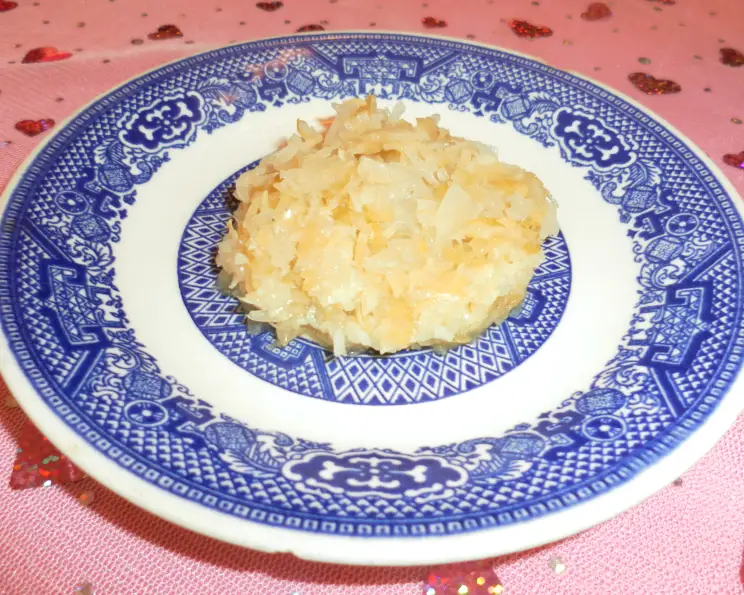
Sauerkraut: A Journey to Nourishing Traditions
The scent always takes me back. My grandmother, a sturdy woman with hands that knew the earth, used to make sauerkraut every fall. The earthy aroma of fermenting cabbage, mingling with the sharp tang of vinegar, permeated her entire house for weeks. As a child, I wasn’t always a fan of the sour flavor, but I loved the bubbling jars, the sense of anticipation, and the knowledge that we were creating something nourishing and enduring together. Now, years later, I find myself drawn to this ancient practice, not just for the taste, but for the connection to my heritage and the incredible health benefits it offers.
Recipe Overview
- Prep Time: 15 minutes
- Cook Time: 3 days (fermentation)
- Total Time: 3 days 15 minutes
- Yields: 1 Quart
- Dietary Type: Vegan, Gluten-Free, Dairy-Free, Probiotic
Ingredients
- 1 medium cabbage, cored and shredded
- 1 tablespoon caraway seed
- 1 tablespoon sea salt
- 4 tablespoons whey (if not available, use an additional 1 Tbls salt)
- 1 carrot, shredded (optional)
Equipment Needed
- Large bowl
- Wooden pounder or meat hammer
- Quart-sized, wide-mouth mason jar
Instructions
-
In a large bowl, thoroughly combine the shredded cabbage with the caraway seeds, sea salt, and whey (if using). The whey introduces beneficial bacteria, accelerating the fermentation process. If you don’t have whey, don’t worry, simply use an additional tablespoon of sea salt.
-
Now comes the important part: releasing the cabbage’s juices. Using a wooden pounder or a meat hammer, vigorously pound the cabbage mixture for approximately 10 minutes. The goal is to break down the cell walls and extract the moisture. You can also use your hands, squeezing and massaging the cabbage to achieve the same effect. You’ll know you’re on the right track when a significant amount of liquid begins to pool in the bowl.
-
Carefully transfer the cabbage and all of the accumulated juice into a clean, quart-sized, wide-mouth mason jar.
-
Using the wooden pounder or a sturdy spoon, firmly press down on the cabbage inside the jar until the juices rise to the top, completely submerging the shredded cabbage. This is critical for anaerobic fermentation, which prevents the growth of harmful bacteria.
-
Ensure the top of the cabbage is at least 1 inch below the top of the jar. This headspace is necessary to accommodate the gases produced during fermentation. If needed, remove some of the cabbage to achieve this.
-
Cover the jar tightly. A standard mason jar lid and ring work perfectly.
-
Store the jar at room temperature for approximately 3 days. The ideal temperature range is between 65-75°F (18-24°C). Avoid direct sunlight. During this time, the fermentation process will be actively transforming the cabbage. You may notice bubbles forming – this is a good sign!
-
After the 3-day fermentation period, transfer the sauerkraut to cold storage, ideally your refrigerator. This slows down the fermentation process considerably.
-
The sauerkraut can be eaten immediately, but its flavor will continue to develop and improve with age. It will become more complex and tangy over time.
Expert Tips & Tricks
-
Salt is Key: Don’t skimp on the salt! It’s crucial for inhibiting the growth of unwanted bacteria and drawing out the cabbage’s moisture. Use a good quality sea salt, free of additives.
-
Submersion is Essential: Make sure the cabbage remains submerged in its own juices throughout the fermentation process. If necessary, use a small glass weight or a clean, food-grade plastic bag filled with water to weigh it down.
-
Burp the Jar: During the first few days of fermentation, gases will build up inside the jar. “Burp” the jar daily by briefly opening it to release the pressure. This prevents the jar from exploding!
-
Mold Prevention: If you see any mold forming on the surface, discard that top layer immediately. As long as the cabbage underneath is submerged and smells pleasantly sour, it should be fine. However, if there’s extensive mold growth, it’s best to discard the entire batch.
-
Flavor Boost: Experiment with adding other spices or vegetables to your sauerkraut. Garlic, ginger, juniper berries, or even a chili pepper can add exciting dimensions to the flavor profile.
Serving & Storage Suggestions
Serve your homemade sauerkraut chilled or at room temperature. It’s a fantastic condiment for grilled sausages, Reuben sandwiches, or as a side dish with roasted meats. It also adds a tangy kick to salads or can be incorporated into soups and stews.
Properly stored in the refrigerator, your sauerkraut will last for several months. The flavor will continue to evolve over time, becoming more sour and complex. While you can freeze sauerkraut, it’s not generally recommended, as it can alter the texture. It is best kept in the refrigerator. At room temperature, it will quickly over-ferment and spoil.
Nutritional Information
| Nutrient | Amount per Serving | % Daily Value |
|---|---|---|
| Calories | 249.3 kcal | N/A |
| Calories from Fat | N/A | 7% |
| Total Fat | 1.9 g | 2% |
| Saturated Fat | 0.3 g | 1% |
| Cholesterol | 0 mg | 0% |
| Sodium | 7141 mg | 297% |
| Total Carbohydrate | 56 g | 18% |
| Dietary Fiber | 25.2 g | 101% |
| Sugars | 29.1 g | 116% |
| Protein | 12.9 g | 25% |
Note: Nutritional information is an estimate and may vary based on specific ingredients and preparation methods.
Variations & Substitutions
-
Spicy Sauerkraut: Add a finely chopped jalapeño or other chili pepper to the cabbage mixture for a spicy kick.
-
Beet Sauerkraut: Incorporate shredded beets for a beautiful color and earthy flavor.
-
Juniper Berry Sauerkraut: Add a tablespoon of crushed juniper berries for a distinctive, slightly piney aroma.
-
Garlic Sauerkraut: Mince 2-3 cloves of garlic and add them to the cabbage mixture.
-
Herbed Sauerkraut: Add fresh herbs like dill, thyme, or rosemary for a fragrant and flavorful variation.
FAQs (Frequently Asked Questions)
Q: What is whey and why is it used in this recipe?
A: Whey is the liquid remaining after milk has been curdled and strained. It contains beneficial bacteria that help kickstart the fermentation process. If you don’t have whey, you can substitute with extra salt.
Q: How do I know if my sauerkraut has gone bad?
A: Look for signs of mold (other than a small amount of harmless surface mold), an unpleasant or putrid odor, or a slimy texture. If you observe any of these, discard the sauerkraut.
Q: Can I use a food processor to shred the cabbage?
A: Yes, you can use a food processor with a shredding attachment to save time and effort. However, be careful not to over-process the cabbage, as it can become mushy.
Q: Why is it important to keep the cabbage submerged in its juices?
A: Keeping the cabbage submerged creates an anaerobic environment, which inhibits the growth of harmful bacteria and promotes the growth of beneficial lactic acid bacteria that are responsible for the fermentation process.
Q: How long will my homemade sauerkraut last in the refrigerator?
A: Properly stored in the refrigerator, your homemade sauerkraut will last for several months. The flavor will continue to develop and improve with age.
Final Thoughts
Making your own sauerkraut is a simple yet incredibly rewarding experience. Not only will you be creating a delicious and versatile condiment, but you’ll also be harnessing the power of fermentation to create a probiotic-rich food that’s beneficial for your gut health. Don’t be afraid to experiment with different flavors and variations to create your own signature sauerkraut. Embrace the process, trust your instincts, and enjoy the journey! And please, let me know how your sauerkraut turns out – I’m always eager to hear about your culinary adventures.