
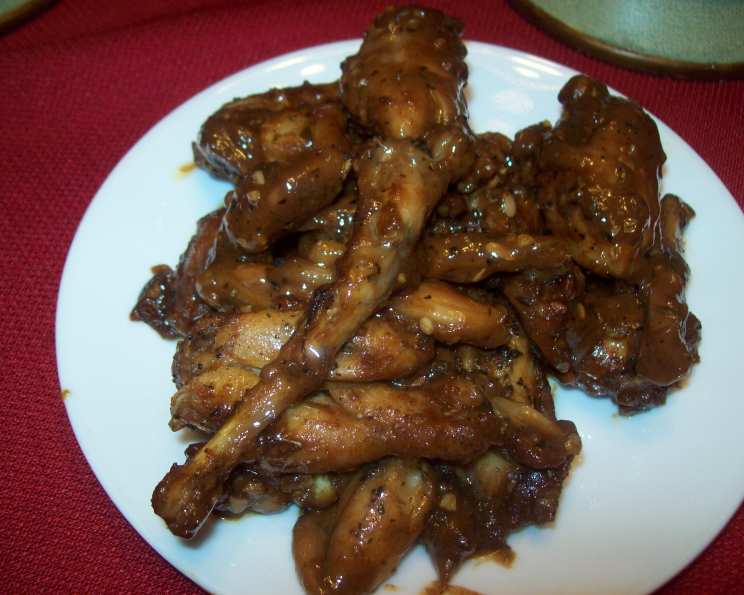
Sautéed Frog Legs: A Culinary Leap into Deliciousness
The first time I tasted frog legs, I was a young apprentice in a small countryside bistro in France. I remember being both intrigued and slightly apprehensive. The chef, a gruff but kind man named Monsieur Dubois, winked at me and said, “Don’t be shy, mon ami. It tastes like the best part of chicken, with a hint of adventure!” He was right. That initial bite, seasoned simply with garlic and parsley, was a revelation. The delicate, slightly sweet flavor and tender texture made me an instant convert. I’ve been experimenting with frog legs ever since, and this recipe for Sautéed Frog Legs is a flavorful nod to that formative culinary experience.
Recipe Overview
- Prep Time: 15 minutes
- Cook Time: 10 minutes
- Total Time: 25 minutes
- Servings: 2
- Dietary Type: Low Carb, High Protein
Ingredients
- 1 lb frog legs, cleaned
- 1 tablespoon garlic, minced
- 2 tablespoons fresh basil, chopped
- 3 teaspoons ginger, minced
- 1 tablespoon soy sauce
- 4 tablespoons chicken broth
- 1 tablespoon oyster sauce
- 1 tablespoon rice wine (Shaoxing preferred)
- 1 teaspoon light soy sauce
- ½ teaspoon Splenda sugar substitute (or other sweetener to taste)
- 1 tablespoon cornstarch, dissolved in 2 tablespoons water
- Vegetable oil or canola oil for sautéing
Equipment Needed
- Large skillet or wok
- Mixing bowl
Instructions
-
Begin by marinating the frog legs. Place them in a mixing bowl and pour the soy sauce over them. Ensure the legs are well coated. Cover the bowl and refrigerate for at least 1 hour, or up to 2 hours for maximum flavor infusion. This step is crucial as it tenderizes the meat and infuses a savory base.
-
Prepare your remaining ingredients while the frog legs marinate. Mince the garlic and ginger, and chop the fresh basil. Prepare the sauce by combining the chicken broth, oyster sauce, rice wine, light soy sauce, and Splenda in a small bowl. Whisk to ensure the Splenda is fully dissolved.
-
When you are ready to cook, heat approximately 2 tablespoons of vegetable oil in a large skillet or wok over medium-high heat. The oil should be hot enough to sizzle gently when a drop of water is added.
-
Add the minced garlic and ginger to the hot oil. Sauté for about 30 seconds, or until fragrant, being careful not to burn them. The aroma of garlic and ginger releasing into the oil is a key indicator that you’re on the right track.
-
Add the marinated frog legs to the skillet. Spread them out in a single layer to ensure even browning. Sauté for approximately 3-4 minutes per side, or until they are golden brown and cooked through. The internal temperature should reach 165°F (74°C).
-
Pour the prepared sauce (a mixture of chicken broth, oyster sauce, rice wine, light soy sauce, and Splenda) over the frog legs. Stir well to coat the legs evenly in the sauce.
-
Bring the sauce to a boil, then reduce the heat to medium-low. In a separate small bowl, mix the cornstarch with water to form a slurry.
-
Slowly drizzle the cornstarch slurry into the simmering sauce while continuously stirring. The sauce should thicken almost immediately. Continue stirring for another minute until the sauce reaches your desired consistency. If the sauce becomes too thick, add a tablespoon of chicken broth to thin it out.
-
Finally, stir in the chopped fresh basil. The basil will wilt slightly and release its aromatic oils, adding a fresh, vibrant note to the dish.
-
Remove from heat and serve immediately.
Expert Tips & Tricks
- Don’t overcrowd the pan: Sautéing the frog legs in batches prevents the temperature of the oil from dropping, which is essential for achieving a good sear.
- Adjust the sweetness: If you prefer a less sweet sauce, reduce the amount of Splenda or sweetener. You can also use regular sugar if you prefer.
- Spice it up: Add a pinch of red pepper flakes to the garlic and ginger for a touch of heat.
- Dry frog legs: Before marinating, pat the frog legs dry with paper towels. This will help them brown more easily.
- Flavor boost: A dash of sesame oil added at the very end can enhance the aroma and flavor.
Serving & Storage Suggestions
Serve the sautéed frog legs hot, garnished with a sprinkle of fresh basil. They pair well with steamed rice, noodles, or a side of stir-fried vegetables. For a complete meal, consider serving them alongside a simple green salad.
Leftovers can be stored in an airtight container in the refrigerator for up to 2 days. To reheat, gently warm them in a skillet over medium heat, adding a tablespoon or two of water or broth to prevent them from drying out. Avoid reheating in the microwave, as this can make the frog legs rubbery. Freezing is not recommended, as it can significantly alter the texture.
Nutritional Information
| Nutrient | Amount per Serving | % Daily Value |
|---|---|---|
| Calories | 111.7 kcal | N/A |
| Calories from Fat | 4 g | N/A |
| Total Fat | 0.5 g | 0% |
| Saturated Fat | 0.1 g | 0% |
| Cholesterol | 56.8 mg | 18% |
| Sodium | 571.3 mg | 23% |
| Total Carbohydrate | 4.6 g | 1% |
| Dietary Fiber | 0.3 g | 1% |
| Sugars | 0.2 g | 0% |
| Protein | 19.9 g | 39% |
Variations & Substitutions
- Gluten-Free: Ensure the soy sauce and oyster sauce are gluten-free. Tamari is a good substitute for soy sauce.
- Vegetarian (Mock Frog Legs): While not the same, large, meaty mushrooms like king oyster mushrooms can be sliced and sautéed in a similar sauce for a vegetarian option.
- Different Herbs: Try using cilantro or mint instead of basil for a different flavor profile.
- Citrus Zest: A teaspoon of lime or lemon zest added with the basil can brighten the dish.
FAQs (Frequently Asked Questions)
Q: What do frog legs taste like?
A: Frog legs are often compared to chicken, with a delicate, slightly sweet flavor and a tender texture. The flavor can also be influenced by the marinade and seasonings used.
Q: Are frog legs difficult to cook?
A: No, frog legs are relatively easy to cook. The key is to avoid overcooking them, which can make them tough. Sautéing or frying them quickly is a great way to maintain their tenderness.
Q: Where can I buy frog legs?
A: Frog legs can be found at some specialty meat markets, Asian supermarkets, and online retailers. If you’re unsure, ask your local butcher for assistance.
Q: Can I use dried ginger instead of fresh ginger?
A: While fresh ginger is preferred for its vibrant flavor, you can use dried ginger in a pinch. Use about 1 teaspoon of dried ginger for every 3 teaspoons of fresh ginger.
Q: How do I know when the frog legs are cooked through?
A: The frog legs are cooked through when they are golden brown and the internal temperature reaches 165°F (74°C). The meat should be opaque and easily pull away from the bone.
Final Thoughts
Sautéed Frog Legs might seem like an exotic dish, but they are surprisingly simple and rewarding to prepare. This recipe offers a delightful balance of savory, sweet, and aromatic flavors that will tantalize your taste buds. So, take a culinary leap of faith, gather your ingredients, and embark on this gastronomic adventure. Don’t hesitate to experiment with variations and personalize the recipe to your liking. We hope you enjoy this unique and delicious dish!