
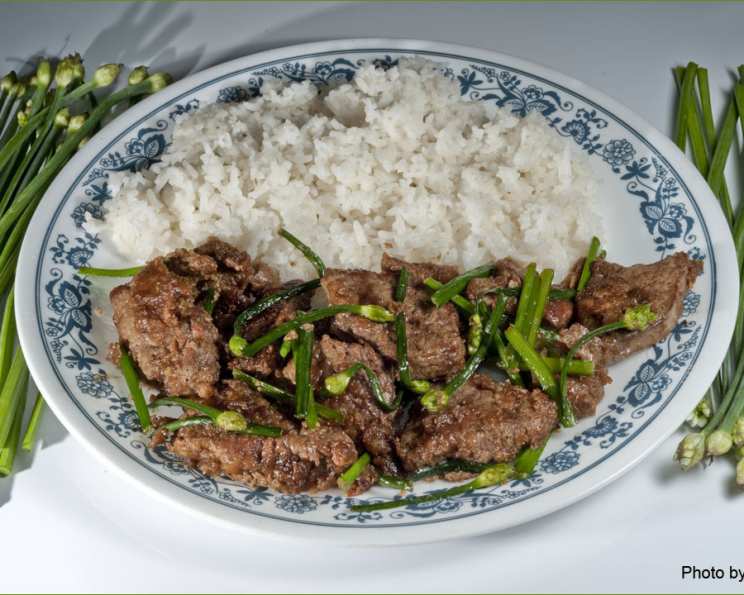
Sautéed Liver with Chives: A Japanese-Inspired Delight
I remember the first time I had liver – it was at my grandmother’s small Tokyo apartment. She called it Reba Nira Itame, and the savory-sweet aroma of soy sauce and ginger filled the entire space. I was hesitant, but the tender, slightly caramelized liver, paired with the vibrant green chives, was unexpectedly delicious. It was a dish that transcended simple ingredients and became a cherished memory, a taste of home filled with love. This recipe is my attempt to recapture that magic, blending familiar Japanese flavors with the unique earthiness of liver.
Recipe Overview
- Prep Time: 20 minutes
- Cook Time: 10 minutes
- Total Time: 30 minutes
- Servings: 2
- Dietary Type: Gluten-Free (if using gluten-free soy sauce), Dairy-Free
Ingredients
- ¾ lb beef liver (substitute pork liver if preferred)
- 2 tablespoons soy sauce
- 1 tablespoon sake
- 1 tablespoon grated ginger
- 3 tablespoons peanut oil
- 6 tablespoons tapioca starch (substitute corn starch)
- ¾ cup Chinese garlic chives (washed and cut into 1-inch pieces)
- Salt and pepper to taste
Equipment Needed
- Cutting board
- Sharp knife
- Paper towels
- Mixing bowl
- Wok or large skillet
- Plate
Instructions
- Begin by preparing the beef liver. Cut it into small, bite-sized pieces, approximately ½ inch thick. This helps ensure even cooking and a tender texture.
- Thoroughly pat the liver pieces dry with paper towels. This crucial step removes excess moisture, allowing the liver to sear properly in the wok and develop a rich, flavorful crust.
- In a mixing bowl, create the marinade. Combine the soy sauce, sake, and grated ginger. Whisk together until well blended. The ginger adds a zesty warmth that complements the richness of the liver.
- Add the prepared liver pieces to the bowl with the marinade. Mix well, ensuring that each piece is evenly coated. Let the liver marinate for at least 15 minutes, or longer for a more intense flavor. The marinade tenderizes the liver and infuses it with savory umami.
- Heat 2 tablespoons of peanut oil in a wok or large skillet over high heat. The wok should be hot enough that a drop of water sizzles immediately. Peanut oil has a high smoke point, making it ideal for stir-frying.
- Remove the liver pieces from the marinade, reserving the remaining marinade for later use. Dredge the liver in the tapioca starch, ensuring each piece is fully coated. Tapioca starch (or corn starch) creates a light, crispy coating when fried.
- Carefully place the dredged liver into the hot wok. Cook, stirring and turning the pieces frequently, until they are almost fully cooked. The liver should be browned on the outside but still slightly pink in the center. Overcooking will result in a dry, tough texture. This usually takes about 3-5 minutes.
- Remove the almost-cooked liver from the wok and set it aside on a plate.
- Add the remaining 1 tablespoon of peanut oil to the wok.
- Add the chopped Chinese garlic chives to the wok and sauté for about 1 minute, until they are slightly wilted but still bright green. Overcooking the chives will make them lose their vibrant color and flavor.
- Return the partially cooked liver to the wok with the chives.
- Pour the reserved marinade into the wok. Stir-fry briefly, for about 1-2 minutes, until the liver is fully cooked and the sauce has thickened slightly.
- Season to taste with salt and pepper. Be mindful of the salt content in the soy sauce, and adjust accordingly.
- Serve immediately and enjoy.
Expert Tips & Tricks
- For an even more tender result, soak the liver in milk for 30 minutes before marinating. This helps to draw out any remaining impurities and mellow the flavor.
- Don’t overcrowd the wok when cooking the liver. Cook in batches if necessary to ensure even browning.
- If the sauce becomes too thick, add a splash of water or sake to thin it out.
- For a spicier kick, add a pinch of red pepper flakes to the marinade or a drizzle of chili oil at the end.
- If you don’t have Chinese garlic chives, you can substitute regular chives or scallions, but the flavor will be slightly different.
Serving & Storage Suggestions
Serve the sautéed liver with chives immediately over a bed of steamed rice for a complete and satisfying meal. Garnish with extra chives for a pop of color.
Leftovers can be stored in an airtight container in the refrigerator for up to 2 days. Reheat gently in a skillet or microwave. Be aware that reheating may cause the chives to become slightly less crisp. Avoid microwaving for extended periods, as this can dry out the liver. It is not recommended to freeze this dish as it can affect the texture of the liver and chives.
Nutritional Information
| Nutrient | Amount per Serving | % Daily Value |
|---|---|---|
| Calories | 509 kcal | 25% |
| Total Fat | 21.1 g | 32% |
| Saturated Fat | 5.45 g | 27% |
| Cholesterol | 825 mg | 275% |
| Sodium | 710.15 mg | 30% |
| Total Carbohydrate | 13.3 g | 4% |
| Dietary Fiber | 0.25 g | 1% |
| Sugars | 0.2 g | 0% |
| Protein | 62.15 g | 124% |
Note: Nutritional information is an estimate and may vary based on specific ingredients and portion sizes.
Variations & Substitutions
- Gluten-Free: Use gluten-free soy sauce.
- Vegetarian/Vegan: This recipe cannot be easily adapted for vegetarian or vegan diets due to the main ingredient being liver.
- Spicy: Add a pinch of red pepper flakes or a dash of chili oil for heat.
- Sweet: Add a teaspoon of honey or sugar to the marinade for a sweeter flavor profile.
- Garlic: Mince a clove of garlic and add it to the wok along with the chives for extra garlic flavor.
FAQs (Frequently Asked Questions)
Q: Can I use frozen liver for this recipe?
A: Yes, you can use frozen liver. Make sure to thaw it completely before cooking and pat it dry thoroughly to remove excess moisture.
Q: How do I know when the liver is cooked properly?
A: The liver should be browned on the outside and slightly pink in the center. Overcooking will result in a dry, tough texture.
Q: Can I make this recipe ahead of time?
A: It’s best to serve this dish immediately after cooking. However, you can marinate the liver ahead of time and chop the chives to save time.
Q: What can I serve with this dish?
A: Sautéed liver with chives is delicious served over steamed rice or noodles. You can also add a side of stir-fried vegetables.
Q: Can I use a different type of starch for dredging?
A: Yes, you can substitute corn starch or potato starch for tapioca starch. All will provide a similar crispy coating.
Final Thoughts
This Sautéed Liver with Chives, inspired by Japanese flavors, is more than just a recipe – it’s a culinary journey that connects me to my family history. It is an adventure in texture and taste, and I encourage you to embark on it yourself. Don’t be afraid to experiment and adjust the recipe to your own preferences. Share your creations and feedback – I’d love to hear how it turned out! Pair this dish with a crisp Japanese beer or a chilled glass of sake for a truly authentic experience. Itadakimasu!