
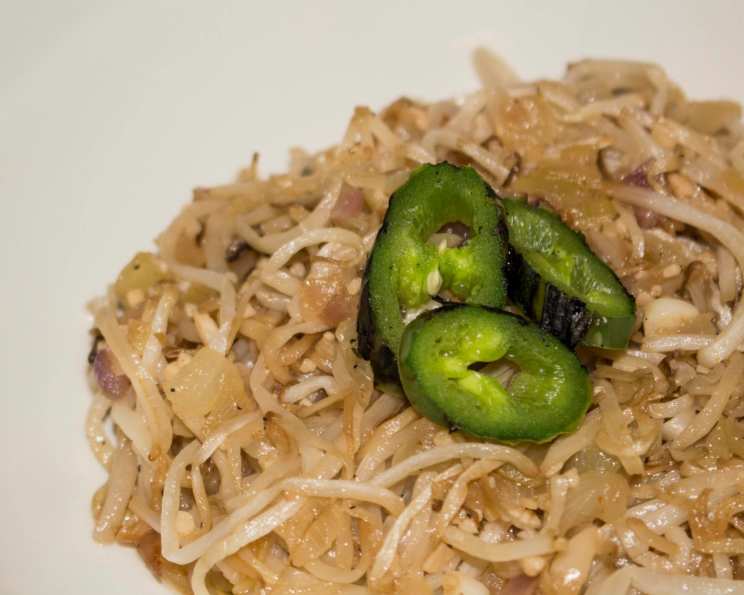
Sautéed Bean Sprouts: A Crunchy Delight
My grandmother, a woman whose kitchen was a constant source of warmth and fragrant aromas, always had a knack for transforming simple ingredients into something extraordinary. I remember watching her deftly stir-fry bean sprouts in her well-worn wok, the sizzle of the oil a comforting soundtrack to my childhood. The humble bean sprout, often overlooked, became a star in her hands, its delicate crunch and subtly sweet flavor a testament to her culinary magic. This recipe, inspired by her effortless style, brings those cherished memories to life with every bite.
Recipe Overview
- Prep Time: 5 minutes
- Cook Time: 7 minutes
- Total Time: 12 minutes
- Servings: 4
- Dietary Type: Vegan
Ingredients
- 2 cups fresh bean sprouts
- 1 small onion, chopped
- 1 tablespoon vegetable oil
- ½ teaspoon salt
Equipment Needed
- Large skillet or wok
- Cutting board
- Knife
- Spatula or stirring utensil
Instructions
- Begin by preparing your ingredients. Finely chop one small onion. Ensure the bean sprouts are fresh and rinsed under cool water. Drain thoroughly.
- Heat 1 tablespoon of vegetable oil in a large skillet or wok over medium heat. Make sure the pan is adequately heated before adding the onion.
- Add the chopped onion to the hot oil. Fry the onion for approximately 2 minutes, stirring occasionally, until it becomes translucent and slightly softened. Avoid browning the onion excessively.
- Stir in ½ teaspoon of salt into the softened onions, ensuring it’s evenly distributed.
- Add 2 cups of fresh bean sprouts to the skillet.
- Cook and stir the bean sprouts over medium heat for 3-5 minutes, or until they reach your desired level of doneness. For a more pronounced crunch, cook for a shorter duration. If you prefer a softer texture, cook for a longer period. Be careful not to overcook them, as they can become mushy.
- Serve the sautéed bean sprouts immediately. Their delicate texture and flavor are best enjoyed fresh from the pan.
Expert Tips & Tricks
- High Heat, Fast Cooking: Bean sprouts cook best at high heat. Using a wok is ideal, but a large skillet will work just fine. The goal is to cook them quickly to maintain their crispness.
- Don’t Overcrowd the Pan: If you’re making a larger batch, cook the bean sprouts in stages to avoid overcrowding the pan. Overcrowding will lower the temperature and result in steamed, rather than sautéed, sprouts.
- Adjust the Salt: The amount of salt can be adjusted to your preference. Taste the bean sprouts towards the end of cooking and add more salt if needed.
- Flavor Enhancers: For an extra layer of flavor, consider adding a splash of soy sauce, a dash of sesame oil, or a pinch of red pepper flakes during the last minute of cooking.
- Prep Ahead: While the dish is best served immediately, you can chop the onion ahead of time to save on prep time later.
- Garlic Boost: Add minced garlic along with the onion for a more robust flavor. Just be careful not to burn the garlic; add it a minute or so after the onion has started cooking.
Serving & Storage Suggestions
Serve the sautéed bean sprouts immediately as a side dish alongside your favorite Asian-inspired meals. They pair wonderfully with stir-fries, grilled meats, or vegetarian dishes. They are also a fantastic addition to salads or as a topping for noodles.
Leftovers can be stored in an airtight container in the refrigerator for up to 2 days. Keep in mind that the bean sprouts will lose some of their crispness during storage.
To reheat, sauté them briefly in a skillet with a touch of oil or microwave them for a short burst. Avoid overcooking, as this will further soften them. I don’t recommend freezing cooked bean sprouts, as the texture will be significantly compromised.
Nutritional Information
| Nutrient | Amount per Serving | % Daily Value |
|---|---|---|
| Calories | 40 kcal | 2% |
| Total Fat | 3g | 4% |
| Saturated Fat | 0g | 0% |
| Cholesterol | 0mg | 0% |
| Sodium | 150mg | 7% |
| Total Carbohydrate | 4g | 1% |
| Dietary Fiber | 1g | 4% |
| Sugars | 2g | |
| Protein | 1g | 2% |
Note: Nutritional information is an estimate and may vary based on specific ingredients and portion sizes.
Variations & Substitutions
- Spicy Sprouts: Add a pinch of red pepper flakes, a finely chopped chili, or a dash of chili oil for a spicy kick.
- Soy Sauce Boost: Drizzle a teaspoon of soy sauce over the bean sprouts during the last minute of cooking for a savory flavor.
- Sesame Oil Infusion: Add a half teaspoon of sesame oil at the end of cooking for a nutty aroma and flavor.
- Ginger Zest: Add a teaspoon of grated fresh ginger along with the onion for a warm, aromatic twist.
- Vegetable Medley: Add other vegetables such as sliced carrots, shredded cabbage, or snow peas for a more substantial dish.
- Protein Power: Add cooked tofu, shrimp, or chicken for a complete meal.
- Alternative Oils: Substitute vegetable oil with coconut oil for a subtle sweetness or peanut oil for a nutty flavor.
FAQs (Frequently Asked Questions)
Q: How do I keep bean sprouts from getting soggy?
A: Cook them quickly over high heat and avoid overcrowding the pan. Overcooking is the main culprit for soggy bean sprouts.
Q: Can I use canned bean sprouts?
A: Fresh bean sprouts are highly recommended for their superior texture and flavor. Canned bean sprouts tend to be softer and less flavorful. If using canned, rinse them thoroughly before cooking.
Q: How do I know when the bean sprouts are done?
A: They should be slightly softened but still retain a noticeable crunch. Taste them as you cook to determine your preferred level of doneness.
Q: Can I add other seasonings besides salt?
A: Absolutely! Soy sauce, sesame oil, garlic powder, onion powder, and pepper are all excellent additions. Experiment with different flavors to find your favorite combination.
Q: Is this recipe gluten-free?
A: Yes, this recipe is naturally gluten-free as long as you use gluten-free vegetable oil.
Final Thoughts
This simple yet delightful recipe for sautéed bean sprouts is a testament to the fact that incredible flavor doesn’t always require complicated techniques or exotic ingredients. With just a handful of humble components and a few minutes of your time, you can create a side dish that is both nutritious and satisfying. I encourage you to try this recipe and experience the joy of transforming simple ingredients into something truly special. Feel free to experiment with different variations and share your feedback – I’d love to hear how you make this dish your own! Pair it with grilled chicken and rice for a full meal.