
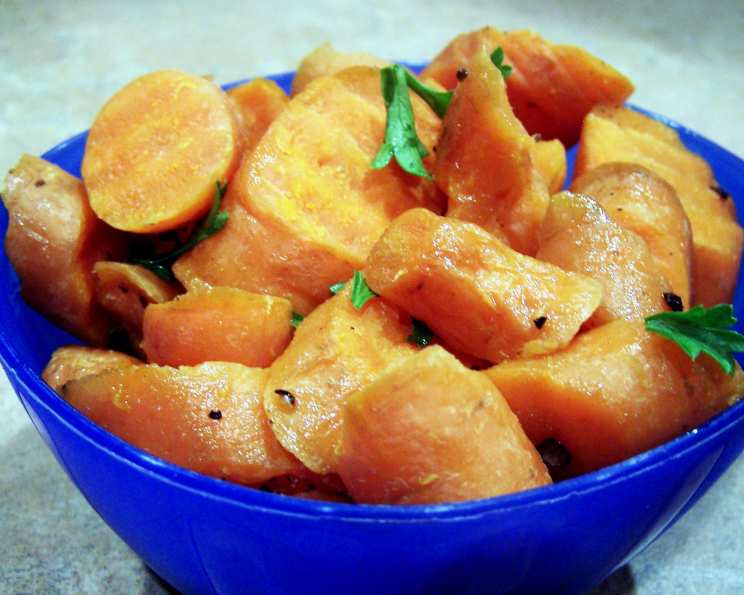
Sautéed Carrots: A Simple Side Dish with Unforgettable Flavor
The first time I truly appreciated the humble carrot was at my grandmother’s table. She had a knack for transforming the simplest ingredients into something extraordinary. Her sautéed carrots, glistening with butter and flecked with fresh dill, were a revelation. They were sweet, tender, and bursting with flavor – a far cry from the bland, boiled carrots I remembered from childhood. To this day, those carrots evoke memories of warmth, laughter, and the comforting aroma of my grandmother’s kitchen. This recipe, adapted from a family favorite, aims to recapture that magic and bring a touch of sunshine to your table.
Recipe Overview
- Prep Time: 15 minutes
- Cook Time: 10-12 minutes
- Total Time: 25-27 minutes
- Servings: 6
- Yield: 6 servings
- Dietary Type: Vegetarian, Gluten-Free
Ingredients
- 2 lbs carrots, peeled and sliced on the diagonal into 1/4-inch thick pieces
- 1 teaspoon kosher salt
- 1/4 teaspoon ground black pepper
- 2 tablespoons unsalted butter
- 1 1/2 tablespoons fresh dill, chopped (or flat-leaf parsley)
- 1/4 cup salted water
Equipment Needed
- Cutting board
- Chef’s knife
- Sauté pan
- Measuring spoons and cups
Instructions
-
Begin by prepping the carrots. Thoroughly wash, peel, and slice them on the diagonal into approximately 1/4-inch thick pieces. This diagonal cut not only looks elegant but also helps the carrots cook more evenly.
-
In a sauté pan, combine the 1/4 cup of salted water, the sliced carrots, and the black pepper.
-
Place the pan over medium-high heat and cook until the carrots are just cooked through. This should take about 8-10 minutes. Be careful not to overcook them; you want them to retain a slight bite. Keep an eye on the water level, and if it evaporates too quickly, add a tablespoon or two more. Test for doneness by piercing a carrot slice with a fork. It should be tender but not mushy.
-
Once the carrots are cooked through and the water has almost evaporated (but a small amount is still there), add the unsalted butter. Sauté for another minute or two, allowing the butter to melt and coat the carrots beautifully. The remaining water will emulsify with the butter, creating a light, flavorful sauce. You want the carrots to be nicely glazed.
-
Remove the pan from the heat and stir in the chopped fresh dill (or parsley).
-
Season with additional salt and pepper to taste. Remember that you already added salt to the water, so taste before adding more.
-
Serve immediately and enjoy!
Expert Tips & Tricks
-
Choose the right carrots: Look for firm, brightly colored carrots with smooth skin. Smaller to medium-sized carrots tend to be sweeter and more tender than larger ones. If you can find carrots with their tops still attached, that’s even better – it’s a sign of freshness!
-
Don’t overcrowd the pan: If you are making a large batch, it’s best to cook the carrots in batches to avoid overcrowding the pan. Overcrowding will steam the carrots instead of sautéing them, resulting in uneven cooking and a less desirable texture.
-
Adjust the sweetness: If your carrots aren’t as sweet as you’d like, you can add a teaspoon of honey or maple syrup along with the butter for an extra touch of sweetness.
-
Make ahead: You can peel and slice the carrots a day or two in advance and store them in an airtight container in the refrigerator. This will save you time on the day you’re planning to cook them.
-
Herb variations: While dill and parsley are classic choices, feel free to experiment with other herbs such as thyme, chives, or even a pinch of fresh ginger for a unique flavor profile.
Serving & Storage Suggestions
These sautéed carrots make a delightful side dish for a variety of meals. They pair perfectly with roasted chicken, grilled fish, or a hearty vegetarian entree. Garnish with an extra sprinkle of fresh dill or parsley for a pop of color.
Leftover sautéed carrots can be stored in an airtight container in the refrigerator for up to 3 days. To reheat, simply sauté them in a pan over medium heat with a little butter or olive oil until heated through. You can also microwave them, but they may lose some of their texture. It is not recommended to freeze cooked carrots as they can become mushy when thawed.
Nutritional Information
| Nutrient | Amount per Serving | % Daily Value |
|---|---|---|
| Calories | 96 kcal | 5% |
| Calories from Fat | 37 kcal | |
| Total Fat | 4.2 g | 6% |
| Saturated Fat | 2.5 g | 12% |
| Cholesterol | 10.2 mg | 3% |
| Sodium | 492.9 mg | 20% |
| Total Carbohydrate | 14.6 g | 4% |
| Dietary Fiber | 4.3 g | 17% |
| Sugars | 6.9 g | 27% |
| Protein | 1.5 g | 2% |
Variations & Substitutions
- Vegan Variation: Substitute the butter with a plant-based butter alternative or olive oil for a vegan option. Be sure to choose a high-quality olive oil for the best flavor.
- Spice it up: Add a pinch of red pepper flakes or a dash of hot sauce for a little heat.
- Sweet and Savory: Drizzle a small amount of maple syrup or honey over the carrots during the last minute of cooking for a touch of sweetness.
- Roasted Carrots: For a richer flavor, roast the carrots in the oven at 400°F (200°C) for 20-25 minutes before sautéing them with the butter and herbs.
FAQs (Frequently Asked Questions)
Q: Can I use baby carrots for this recipe?
A: Yes, you can use baby carrots, but they may cook more quickly than sliced whole carrots. Reduce the cooking time accordingly.
Q: Can I add other vegetables to this dish?
A: Absolutely! Sautéed carrots pair well with other vegetables like onions, celery, or parsnips. Add them to the pan along with the carrots and cook until tender.
Q: How do I prevent the carrots from becoming mushy?
A: The key is to avoid overcooking them. Cook them until they are just tender but still have a slight bite. Keep a close eye on them and test for doneness frequently.
Q: Can I use dried dill instead of fresh?
A: While fresh dill is preferred for its flavor, you can use dried dill in a pinch. Use about 1/2 teaspoon of dried dill in place of 1 1/2 tablespoons of fresh dill.
Q: What other herbs can I use besides dill and parsley?
A: Thyme, rosemary, and chives are all excellent choices. Experiment with different herbs to find your favorite flavor combination.
Final Thoughts
These sautéed carrots are a testament to the fact that simple ingredients, when treated with care and attention, can create something truly delicious. This recipe is incredibly versatile and can be easily adapted to suit your personal preferences. So, gather your ingredients, embrace the warmth of your kitchen, and create a dish that will bring joy to your table. I encourage you to try this recipe and share your feedback – and perhaps pair it with a perfectly roasted chicken or a creamy polenta for a truly unforgettable meal!