
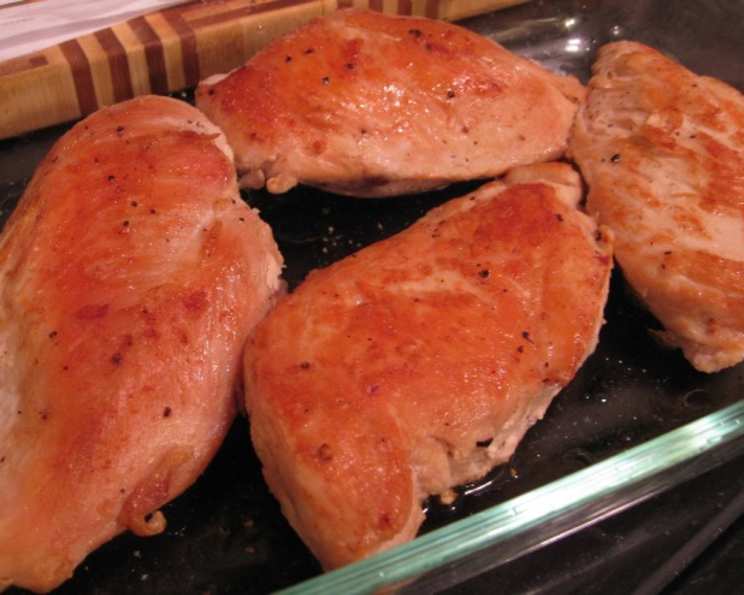
Sautéed Chicken Breasts: The Secret to Exceptional Salads
I’ll never forget the first time I made chicken salad for a proper luncheon – my grandmother’s bridge club was descending upon our house! I carefully poached chicken breasts, convinced it was the only way to get that tender, shreddable meat. The resulting salad was… fine. But it lacked depth, that certain “oomph” that elevates a dish from ordinary to extraordinary. If only I had known then what I know now: the magic of a simple sauté can completely transform your chicken salad game. Now, sautéed chicken is my go-to for not only salads, but chicken tacos, lettuce wraps, and a quick protein boost on top of pasta dishes.
Recipe Overview
- Prep Time: 5 minutes
- Cook Time: 12 minutes
- Total Time: 17 minutes
- Servings: 4
- Dietary Type: High Protein, Gluten-Free, Dairy-Free
Ingredients
- 4 boneless, skinless chicken breasts (about 6-8 ounces each)
- 2 tablespoons vegetable oil (or other neutral oil like canola or avocado)
- Salt, to taste
- Black pepper, freshly ground, to taste
Equipment Needed
- Large non-stick skillet
- Meat mallet or rolling pin (optional)
- Tongs or spatula
- Plate
Instructions
-
Prepare the chicken: Pat the chicken breasts thoroughly dry with paper towels. This is crucial for achieving a good sear. If the breasts are uneven in thickness, place them between two sheets of plastic wrap and gently pound them with a meat mallet or rolling pin to an even thickness of about 1/2 inch. This ensures even cooking.
-
Season generously: Season both sides of the chicken breasts generously with salt and freshly ground black pepper. Don’t be shy! Proper seasoning is key to flavorful chicken.
-
Heat the oil: Heat the vegetable oil in a large non-stick skillet over medium heat. Allow the oil to heat until it shimmers. This indicates that it’s hot enough to prevent the chicken from sticking.
-
Sauté the chicken: Carefully place the seasoned chicken breasts in the hot skillet, ensuring they are not overcrowded. Work in batches if necessary to avoid lowering the temperature of the pan.
-
Cook the chicken: Cook the chicken breasts for about 5-6 minutes per side, or until golden brown and cooked through. The internal temperature should reach 165°F (74°C). Use a meat thermometer to ensure accuracy.
-
Rest the chicken: Transfer the cooked chicken breasts to a clean plate and let them rest for at least 5 minutes before slicing or dicing. This allows the juices to redistribute, resulting in more tender and flavorful chicken.
-
Chill and dice: Refrigerate the chicken breasts until chilled, about 30 minutes. Then, cut them into 1/2-inch dice for your salad or other desired use.
-
Storage: The diced chicken can be held in the refrigerator for up to 2 days.
Expert Tips & Tricks
- Pounding for Perfection: Even thickness is vital for even cooking. If your chicken breasts are particularly thick, or uneven, take the extra minute to pound them out gently. It makes a world of difference.
- The Secret to Searing: A hot pan and dry chicken are your best friends when aiming for a beautiful sear. Patting the chicken dry removes excess moisture, allowing it to brown rather than steam in the pan.
- Don’t Overcrowd the Pan: Overcrowding lowers the pan temperature and leads to steaming instead of sautéing. Cook in batches to maintain a high heat.
- Temperature is Key: A meat thermometer is your most reliable tool for ensuring the chicken is cooked through but not overcooked. Aim for 165°F (74°C) in the thickest part of the breast.
- Flavor Boost: Before cooking, marinate the chicken for 30 minutes to an hour in a mixture of olive oil, lemon juice, garlic, and herbs for an extra layer of flavor.
- Pan Sauce Potential: After removing the chicken, deglaze the pan with a splash of white wine or chicken broth and scrape up any browned bits from the bottom. This creates a delicious sauce to drizzle over the chicken or add to your salad dressing.
Serving & Storage Suggestions
This sautéed chicken is incredibly versatile. It’s perfect for:
- Chicken salad: Toss the diced chicken with mayonnaise, celery, onion, grapes, and your favorite seasonings.
- Salad topping: Add the sliced or diced chicken to any green salad for a protein boost.
- Tacos or wraps: Use the chicken as a filling for tacos, burritos, or lettuce wraps.
- Pasta dishes: Top pasta with the chicken and your favorite sauce.
- Grain bowls: Add the chicken to grain bowls with quinoa, rice, or farro.
Storage:
- Cooked chicken can be stored in an airtight container in the refrigerator for up to 3-4 days.
- For longer storage, freeze the cooked chicken in a freezer-safe bag or container for up to 2-3 months. Thaw completely in the refrigerator before using.
- Reheat the chicken in the microwave, oven, or skillet until heated through. Avoid overcooking, as this can dry it out.
Nutritional Information
| Nutrient | Amount per Serving | % Daily Value |
|---|---|---|
| Calories | 250 kcal | 13% |
| Total Fat | 12g | 18% |
| Saturated Fat | 2g | 10% |
| Cholesterol | 100mg | 33% |
| Sodium | 150mg | 7% |
| Total Carbohydrate | 0g | 0% |
| Dietary Fiber | 0g | 0% |
| Sugars | 0g | 0% |
| Protein | 35g | 70% |
Note: Nutritional information is an estimate and may vary based on specific ingredients and portion sizes.
Variations & Substitutions
- Spice it up: Add a pinch of red pepper flakes or a dash of hot sauce to the chicken before cooking for a spicy kick.
- Herbed chicken: Rub the chicken with your favorite herbs, such as thyme, rosemary, or oregano, before cooking.
- Lemon pepper chicken: Season the chicken with lemon pepper seasoning for a bright and zesty flavor.
- Garlic chicken: Add minced garlic to the pan during the last minute of cooking for a garlicky flavor.
- Italian chicken: Season the chicken with Italian seasoning and serve with marinara sauce.
- Chicken thighs: Substitute boneless, skinless chicken thighs for the chicken breasts for a richer flavor. Adjust cooking time as needed.
- Oil Variations: Experiment with different oils like olive oil or coconut oil for unique flavor profiles.
FAQs (Frequently Asked Questions)
Q: Can I use frozen chicken breasts?
A: Yes, but make sure to thaw them completely before cooking. Pat them dry thoroughly after thawing to remove excess moisture.
Q: How do I know when the chicken is cooked through?
A: The best way is to use a meat thermometer. Insert it into the thickest part of the breast. It should read 165°F (74°C).
Q: Can I use this chicken for other dishes besides salad?
A: Absolutely! This sautéed chicken is incredibly versatile and can be used in tacos, pasta dishes, wraps, and more.
Q: What if I don’t have a non-stick skillet?
A: While a non-stick skillet is ideal, you can use a regular skillet. Just make sure to heat the oil properly and avoid overcrowding the pan to prevent sticking.
Q: How long will the cooked chicken last in the refrigerator?
A: Cooked chicken can be stored in an airtight container in the refrigerator for up to 3-4 days.
Final Thoughts
This simple method for sautéing chicken breasts is a game-changer for creating delicious and flavorful salads. The slight browning adds a depth of flavor that poaching simply can’t achieve. Don’t be afraid to experiment with different seasonings and herbs to create your own signature chicken salad. I encourage you to give it a try and experience the difference for yourself! Feel free to share your creations and variations – I’d love to hear how you make this recipe your own. Happy cooking!