
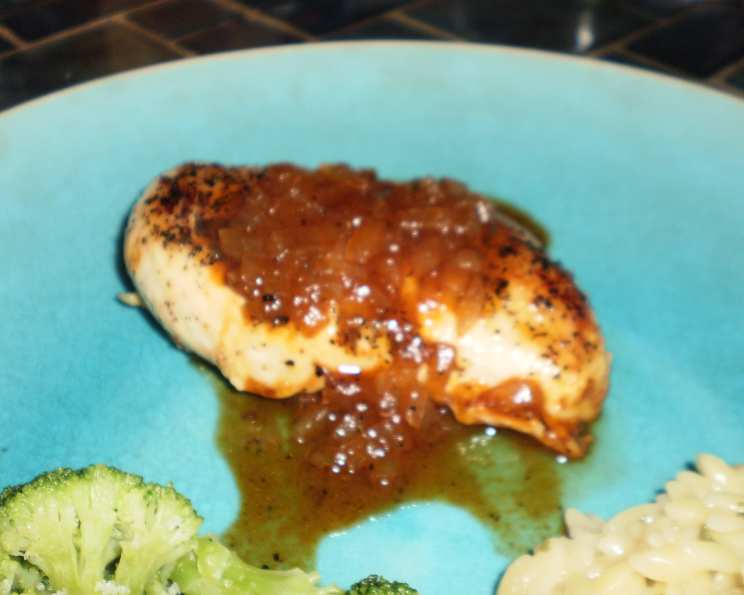
Sautéed Chicken With Tomato, Thyme & White Wine Vinegar: A Flavorful Weeknight Delight
I still remember the first time I made this dish. It was a frantic Tuesday evening, the kids were clamoring for dinner, and I needed something fast but flavorful. I threw this together with some chicken breasts I had on hand, and the result was absolutely astonishing. The tangy vinegar, the aromatic thyme, and the bright burst of fresh tomatoes – it was a symphony of flavors that instantly elevated my weeknight cooking game. To this day, the memory of that surprisingly delightful meal still makes my mouth water.
Recipe Overview
- Prep Time: 10 minutes
- Cook Time: 20 minutes
- Total Time: 30 minutes
- Servings: 4
- Dietary Type: Gluten-Free (naturally)
Ingredients
- 4 boneless skinless chicken breasts (6 to 8 ounces each)
- Table salt
- Ground black pepper
- Vegetable oil
- 2 teaspoons vegetable oil (for sauce)
- 1 medium shallot, minced (about 3 tablespoons)
- 2 teaspoons tomato paste
- 1 cup low sodium chicken broth
- 3 tablespoons white wine vinegar
- 1 1/2 teaspoons light brown sugar
- 6 sprigs fresh thyme
- 2 tablespoons unsalted butter
Equipment Needed
- 12-inch skillet
- Large heatproof plate
- Oven
Instructions
- Adjust oven rack to middle position; heat oven to 200 degrees Fahrenheit.
- Slice each chicken breast in half horizontally to form thin cutlets. This is easier if the chicken is partially frozen for 10-15 minutes. The slightly firm texture makes slicing much cleaner.
- Season both sides of each cutlet generously with salt and pepper. Don’t be shy; proper seasoning is crucial for flavor.
- Heat 2 teaspoons of vegetable oil in a 12-inch skillet over medium-high heat until the oil is shimmering and almost smoking. This ensures a good sear.
- Place 4 chicken cutlets in the skillet and cook without moving them until nicely browned, about 2 minutes. Resist the urge to peek or move them; a good sear develops with undisturbed contact.
- Flip the cutlets and continue to cook until the second sides are opaque and cooked through, about 15 to 20 seconds. Remember that they are thin, so they’ll cook very quickly.
- Transfer the cooked chicken cutlets to a large heatproof plate.
- Add 2 teaspoons of vegetable oil to the now-empty skillet and repeat the process to cook the remaining chicken cutlets, transferring them to the same plate.
- Cover the plate loosely with foil and transfer it to the oven to keep the chicken warm while you make the sauce.
- Remove the skillet from the burner. Add 2 teaspoons of vegetable oil, the minced shallot, and the tomato paste to the hot skillet.
- Using the residual heat, cook, stirring constantly until the shallot is softened and fragrant, about 30 seconds. Be careful not to burn the tomato paste.
- Set the skillet back over medium-high heat and add the chicken broth, white wine vinegar, light brown sugar, and thyme sprigs. Bring the mixture to a simmer, scraping the pan bottom to loosen any browned bits (fond). These bits are packed with flavor and will add depth to the sauce.
- Simmer the sauce until it has reduced to about 1/2 cup, about 6 to 7 minutes. The sauce should thicken slightly and coat the back of a spoon.
- Remove the skillet from the heat. Whisk in the unsalted butter, 1 tablespoon at a time, until it is fully incorporated and the sauce is glossy and emulsified. This adds richness and silkiness to the sauce.
- Adjust the seasonings with salt and pepper to taste. Remember to taste as you go, adjusting to your preference.
- Serve the sauce immediately over the warm chicken cutlets.
Expert Tips & Tricks
- Pounding the chicken: For extra tenderness and even cooking, place the chicken breasts between two sheets of plastic wrap and gently pound them to an even thickness before slicing.
- Shallot substitute: If you don’t have shallots, you can substitute with finely diced yellow onion. Use about half the amount as shallots have a milder flavor.
- Don’t overcrowd the pan: Cooking the chicken in batches ensures proper browning. Overcrowding lowers the pan temperature and leads to steaming instead of searing.
- Thyme variations: If you don’t have fresh thyme, you can use 1/2 teaspoon of dried thyme. Add it along with the chicken broth.
- Deglazing the pan: Make sure to scrape up all the browned bits from the bottom of the pan when adding the chicken broth. This is where much of the flavor resides!
Serving & Storage Suggestions
Serve the sautéed chicken with tomato, thyme, and white wine vinegar immediately for the best flavor and texture. It pairs wonderfully with creamy mashed potatoes, roasted vegetables (like asparagus or broccoli), or a simple green salad.
Leftovers can be stored in an airtight container in the refrigerator for up to 3 days. To reheat, gently warm the chicken and sauce in a skillet over low heat, or microwave on low power until heated through. Be careful not to overcook the chicken, as it can become dry. Adding a splash of chicken broth or water when reheating can help retain moisture. Freezing is not recommended, as the sauce may separate upon thawing.
Nutritional Information
| Nutrient | Amount per Serving | % Daily Value |
|---|---|---|
| Calories | 220.7 kcal | N/A |
| Calories from Fat | 88 g | 40% |
| Total Fat | 9.8 g | 15% |
| Saturated Fat | 4.4 g | 22% |
| Cholesterol | 83.7 mg | 27% |
| Sodium | 117.7 mg | 4% |
| Total Carbohydrate | 3.3 g | 1% |
| Dietary Fiber | 0.1 g | 0% |
| Sugars | 2.1 g | 8% |
| Protein | 28.7 g | 57% |
Note: Nutritional information is an estimate and may vary based on specific ingredients and preparation methods.
Variations & Substitutions
- Chicken Thighs: Substitute boneless, skinless chicken thighs for a richer flavor. Adjust cooking time accordingly, as thighs typically take a bit longer to cook through.
- Lemon Juice: For a brighter, citrusy flavor, substitute half of the white wine vinegar with fresh lemon juice.
- Herbs: Experiment with different fresh herbs like rosemary or oregano in place of thyme.
- Creamy Sauce: For a creamier sauce, stir in a tablespoon or two of heavy cream or crème fraîche at the end.
- Vegetarian option: Use seitan or thick slices of firm tofu instead of chicken. Adjust cooking times accordingly.
FAQs (Frequently Asked Questions)
Q: Can I make this ahead of time?
A: While the sauce is best served fresh, you can slice and season the chicken ahead of time and store it in the refrigerator until ready to cook.
Q: Can I use dried thyme instead of fresh?
A: Yes, you can! Use about half the amount of dried thyme as you would fresh (about 1/2 teaspoon).
Q: My sauce is too thin. How do I thicken it?
A: Continue to simmer the sauce for a few more minutes until it reaches your desired consistency. Alternatively, you can whisk in a small amount of cornstarch slurry (1 teaspoon cornstarch mixed with 1 tablespoon cold water).
Q: My chicken is getting dry. What am I doing wrong?
A: Avoid overcooking the chicken. Since the cutlets are thin, they cook very quickly. Use a meat thermometer to ensure they reach an internal temperature of 165°F (74°C).
Q: Can I use a different type of vinegar?
A: While white wine vinegar is recommended for its delicate flavor, you can experiment with other types of vinegar like apple cider vinegar or sherry vinegar. Keep in mind that each vinegar will impart a slightly different flavor profile.
Final Thoughts
This sautéed chicken with tomato, thyme, and white wine vinegar is a weeknight winner, delivering incredible flavor with minimal effort. Don’t be afraid to experiment with the herbs and seasonings to create your own signature version. I encourage you to try this recipe and experience the joy of a truly delicious and satisfying meal. And I would love to hear from you: What did you think? Did you make any interesting changes? Share your feedback and let’s celebrate the art of cooking together!