
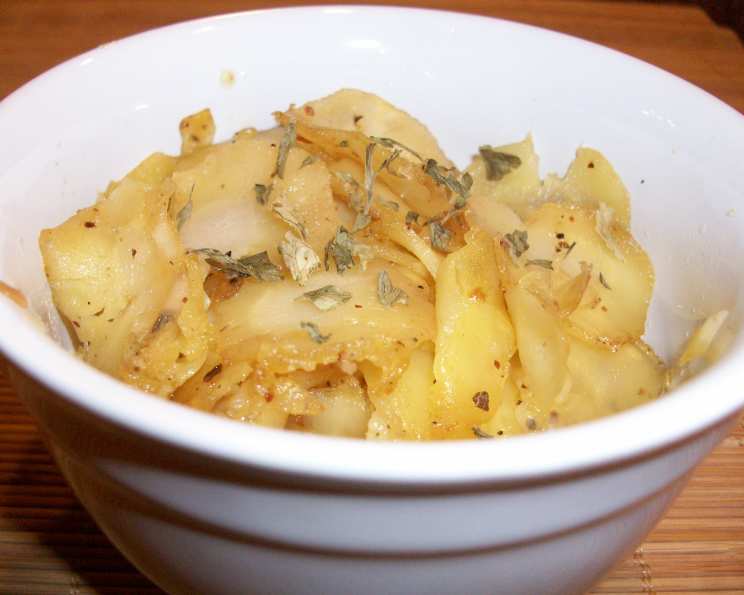
Sautéed Parsnips: A Sweet and Savory Delight
The scent of nutmeg and sautéed butter always transports me back to my grandmother’s kitchen. Every Thanksgiving, nestled amongst the roasted turkey and cranberry sauce, was a simple dish of thinly sliced parsnips, glistening with a delicate sheen. It wasn’t the most visually striking dish, but its subtle sweetness and earthy aroma always captivated me. She always used a vintage mandoline, its wooden handle worn smooth with years of use, to get the parsnips paper-thin. This recipe is my homage to her, a simple celebration of a humble root vegetable transformed into something truly special.
Recipe Overview
- Prep Time: 10 minutes
- Cook Time: 20 minutes
- Total Time: 30 minutes
- Servings: 4
- Dietary Type: Vegetarian, Gluten-Free
Ingredients
- 2-4 parsnips, very thinly sliced
- 1/4 cup olive oil
- 1/8 teaspoon ground ginger
- 1/8 teaspoon ground nutmeg
- 1/8 teaspoon sage
- 1 teaspoon minced garlic, fresh or jarred
- 1/2 teaspoon salt
- 1/2 tablespoon sugar
- 2 tablespoons butter
Equipment Needed
- Large skillet
- Mandoline (optional, but highly recommended)
Instructions
- Begin by slicing the parsnips as thinly as possible. A mandoline is ideal for this, set to the thinnest setting. If you don’t have a mandoline, use a sharp knife and aim for paper-thin slices. Consistency is key to ensure even cooking.
- Heat the olive oil in a large skillet over medium heat. Make sure the skillet is large enough to accommodate the parsnips in a single layer; this will help them cook evenly and brown properly.
- Add the sliced parsnips, minced garlic, ground ginger, ground nutmeg, sage, and salt to the skillet.
- Sauté the parsnips on medium-low heat, stirring occasionally, until they become tender and translucent. This usually takes about 15-20 minutes. Be patient and don’t rush the process. Cooking them low and slow will develop their natural sweetness.
- Pay close attention to the amount of oil in the pan. Parsnips have a tendency to absorb oil, so be prepared to add a little more olive oil if the parsnips begin to stick to the bottom of the pan. However, avoid adding too much, as this will make them greasy. A tablespoon at a time should suffice.
- Once the parsnips are tender and beginning to look translucent, add the butter and sugar.
- Continue to sauté the parsnips, stirring frequently, until they are slightly browned and caramelized. This final step is crucial for developing that signature sweet and savory flavor. Watch carefully to prevent burning. The sugar will melt and caramelize, creating a beautiful glaze.
- Once browned to your liking, remove from heat and serve immediately.
Expert Tips & Tricks
- Thin is in: The key to this recipe is the thinness of the parsnip slices. This allows them to cook quickly and evenly, developing a sweet, nutty flavor. If they’re too thick, they’ll taste more like carrots and take much longer to cook.
- Don’t overcrowd the pan: Overcrowding the skillet will steam the parsnips instead of sautéing them. Cook in batches if necessary to ensure each slice gets direct contact with the heat.
- Adjust seasoning to taste: Feel free to adjust the amount of salt, sugar, and spices to your preference. A pinch of cayenne pepper can add a nice kick.
- Watch the heat: Medium-low heat is essential for preventing burning. If the parsnips are browning too quickly, reduce the heat further.
- Make Ahead Tip: You can slice the parsnips a day ahead and store them in an airtight container in the refrigerator to save time.
Serving & Storage Suggestions
Serve the sautéed parsnips immediately as a side dish. They pair beautifully with roasted chicken, pork, or fish. They’re also a delicious addition to a vegetarian meal.
Leftovers can be stored in an airtight container in the refrigerator for up to 3 days. To reheat, gently warm them in a skillet over low heat or microwave them for a minute or two. Be careful not to overcook them, as they can become mushy. They can be frozen for longer storage, but the texture might change slightly upon thawing.
Nutritional Information
| Nutrient | Amount per Serving | % Daily Value |
|---|---|---|
| Calories | 220 kcal | 11% |
| Total Fat | 15g | 23% |
| Saturated Fat | 5g | 25% |
| Cholesterol | 15mg | 5% |
| Sodium | 300mg | 13% |
| Total Carbohydrate | 20g | 7% |
| Dietary Fiber | 3g | 12% |
| Sugars | 8g | – |
| Protein | 1g | 2% |
Note: Nutritional information is an estimate and may vary based on specific ingredients and portion sizes.
Variations & Substitutions
- Herbs: Experiment with different herbs such as thyme, rosemary, or oregano. Fresh herbs are best, but dried herbs can be used in a pinch.
- Spice it up: Add a pinch of red pepper flakes for a touch of heat.
- Sweeten it up: Instead of sugar, try maple syrup or honey for a more natural sweetness.
- Vegan option: Substitute the butter with vegan butter or a tablespoon of olive oil.
- Root Vegetable Medley: Combine parsnips with other root vegetables like carrots, sweet potatoes, or turnips for a more complex flavor profile. Adjust cooking times accordingly.
FAQs (Frequently Asked Questions)
Q: Can I use pre-sliced parsnips?
A: While convenient, pre-sliced parsnips are often thicker than ideal. If using them, try to slice them thinner before cooking.
Q: My parsnips are sticking to the pan. What should I do?
A: Add a little more olive oil to the pan, about a tablespoon at a time. Ensure the heat isn’t too high, and stir frequently.
Q: Can I use dried garlic instead of minced garlic?
A: Fresh or jarred minced garlic provides the best flavor. If using dried garlic, use about 1/4 teaspoon and add it along with the other spices.
Q: How do I know when the parsnips are done?
A: They should be tender, translucent, and slightly browned. Taste one to check for doneness.
Q: Can I add other vegetables to this dish?
A: Yes! Other root vegetables like carrots or sweet potatoes would pair well. Just adjust the cooking time accordingly.
Final Thoughts
Sautéed parsnips are a surprisingly versatile and delicious side dish that deserves a place on your table. With their subtle sweetness and earthy flavor, they’re a welcome change from the usual roasted vegetables. Don’t be intimidated by the simplicity of the recipe; the magic lies in the thin slices and the slow, patient cooking. Give this recipe a try, and I’m confident that you’ll discover a newfound appreciation for the humble parsnip. And if you do try it, please leave a comment below and let me know how it turned out! I’d love to hear your feedback or any creative twists you’ve added.