
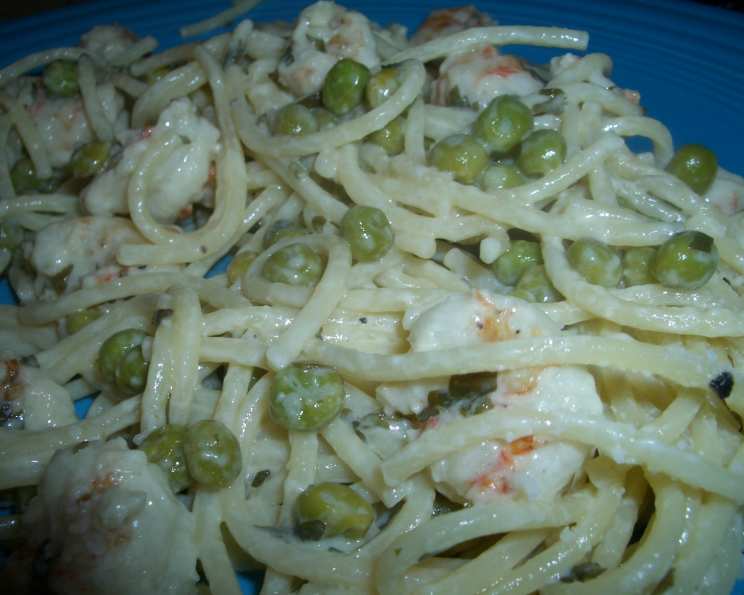
Sauteed Shrimp With Chardonnay-Dijon Cream Sauce
The aroma of this dish instantly transports me back to a small trattoria I discovered on a rainy evening in Rome. The flickering candlelight, the cheerful chatter of locals, and, most importantly, the intoxicating scent of garlic, wine, and perfectly cooked shrimp filled the air. It was a simple dish, yet the flavors were so vibrant and perfectly balanced. I knew I had to recreate that magic at home, and this recipe comes remarkably close.
Recipe Overview
- Prep Time: 15 minutes
- Cook Time: 30 minutes
- Total Time: 45 minutes
- Servings: 4
- Dietary Type: Pescatarian
Ingredients
- 1 lb medium shrimp, peeled and deveined
- 1/2 teaspoon salt
- Fresh ground pepper, to taste
- 2 tablespoons extra virgin olive oil
- 1/2 lb dried angel hair pasta or 1/2 lb spaghetti
- 1 cup Chardonnay wine or 1 cup other dry white wine
- 1/2 cup whipping cream
- 1 tablespoon Dijon mustard
- 2 tablespoons chopped fresh flat-leaf parsley
Equipment Needed
- Large saucepan
- Large skillet
- Wooden spoon
- Colander
- 4 shallow bowls
Instructions
-
Begin by heating a large saucepan of salted water to a boil over medium-high heat. This will be for cooking your pasta.
-
While the water is heating, season the shrimp with the salt and pepper to taste. Make sure each shrimp is evenly coated with the seasoning.
-
Heat a large skillet over medium-high heat; add the olive oil. Allow the oil to heat for about 30 seconds. You’ll know it’s ready when it shimmers slightly.
-
Add the shrimp to the hot skillet, distributing them evenly in the pan. Avoid overcrowding the pan, as this will steam the shrimp instead of searing them. If necessary, cook the shrimp in batches.
-
Cook the shrimp, turning once, until pink, about 2 minutes per side. Perfectly cooked shrimp should be opaque and firm. Be careful not to overcook them, as they will become rubbery.
-
Transfer the cooked shrimp to a platter; cover with foil to keep them warm while you prepare the sauce.
-
Add the pasta to the boiling water; cook until al dente, tender but still slightly chewy, following package directions for the time. Typically, angel hair pasta cooks very quickly, so keep a close eye on it.
-
Meanwhile, heat the same skillet (no need to wash it!) over high heat; add the Chardonnay wine (or your chosen dry white wine).
-
Stir with a wooden spoon to scrape and dissolve any flavorful pan deposits (the fond); cook until the liquid reduces by half, about 5 minutes. This step is crucial for building a rich and complex sauce. The alcohol will evaporate, leaving behind a concentrated wine flavor.
-
Reduce the heat to medium-high; stir in the whipping cream.
-
Cook for 1 minute; stir in the Dijon mustard. The mustard adds a tangy and slightly spicy element to the sauce.
-
Cook until the sauce is thick enough to coat the back of a spoon, about 5 minutes. Stir frequently to prevent the sauce from scorching.
-
Stir in the cooked shrimp; cook until heated through, about 1 minute. Be gentle when stirring in the shrimp to avoid breaking them.
-
Drain the pasta thoroughly using a colander.
-
Divide the drained pasta equally amongst 4 shallow bowls.
-
Spoon the Chardonnay-Dijon cream sauce generously over the pasta.
-
Divide the shrimp evenly amongst the bowls.
-
Garnish with the chopped fresh flat-leaf parsley for a pop of color and freshness.
Expert Tips & Tricks
- Don’t overcook the shrimp: Overcooked shrimp is rubbery and unpleasant. Cook just until pink and opaque.
- Use a good quality wine: The wine is a key component of the sauce, so choose a good quality Chardonnay or other dry white wine that you enjoy drinking.
- Adjust the mustard to taste: If you prefer a milder flavor, use less Dijon mustard. For a spicier kick, add a pinch of red pepper flakes.
- Make it ahead: The sauce can be made ahead of time and reheated gently before adding the shrimp. Don’t add the shrimp until just before serving to prevent them from overcooking.
- Thicken the sauce: If your sauce isn’t thick enough, you can whisk in a teaspoon of cornstarch mixed with a tablespoon of cold water.
Serving & Storage Suggestions
This dish is best served immediately while the pasta is hot and the sauce is creamy. A side of crusty bread is perfect for soaking up the delicious sauce.
Leftovers can be stored in an airtight container in the refrigerator for up to 2 days. Reheat gently in a skillet over medium-low heat, adding a splash of cream or wine if needed to loosen the sauce. Avoid microwaving the shrimp, as this can make them rubbery. Freezing is not recommended due to the cream sauce which can separate upon thawing.
Nutritional Information
| Nutrient | Amount per Serving | % Daily Value |
|---|---|---|
| Calories | 545 kcal | N/A |
| Calories from Fat | 186 kcal | N/A |
| Total Fat | 20.7 g | 31% |
| Saturated Fat | 8.3 g | 41% |
| Cholesterol | 213.6 mg | 71% |
| Sodium | 519.2 mg | 21% |
| Total Carbohydrate | 46.1 g | 15% |
| Dietary Fiber | 2 g | 8% |
| Sugars | 1.7 g | 6% |
| Protein | 31.3 g | 62% |
Note: Nutritional information is an estimate and may vary based on specific ingredients and preparation methods.
Variations & Substitutions
- Gluten-free: Use gluten-free pasta.
- Dairy-free: Substitute the whipping cream with coconut cream or another dairy-free alternative. The sauce will have a slightly different flavor, but it will still be delicious.
- Spicy: Add a pinch of red pepper flakes to the sauce for a spicy kick.
- Garlic: Add minced garlic to the skillet with the olive oil for extra flavor.
- Vegetables: Add sautéed vegetables like spinach, mushrooms, or bell peppers to the dish for added nutrients and flavor.
FAQs (Frequently Asked Questions)
Q: Can I use frozen shrimp?
A: Yes, you can use frozen shrimp. Just make sure to thaw them completely before cooking. Pat them dry with paper towels to remove excess moisture.
Q: What if I don’t have Chardonnay wine?
A: You can substitute with another dry white wine, such as Sauvignon Blanc or Pinot Grigio. You can also use chicken broth in a pinch, but the flavor will be less complex.
Q: How do I know when the shrimp is cooked?
A: The shrimp is cooked when it turns pink and opaque and forms a “C” shape. If it curls into an “O” shape, it is overcooked.
Q: Can I make this dish ahead of time?
A: The sauce can be made ahead of time and reheated, but it is best to cook the shrimp and pasta just before serving to prevent them from overcooking and becoming mushy.
Q: What is “al dente” pasta?
A: “Al dente” means “to the tooth” in Italian. It refers to pasta that is cooked until it is firm to the bite, not mushy.
Final Thoughts
I hope this recipe brings as much joy to your kitchen as it has to mine. The Sauteed Shrimp with Chardonnay-Dijon Cream Sauce is an elegant dish that’s surprisingly easy to prepare. It’s perfect for a special occasion or a comforting weeknight meal. Don’t be afraid to experiment with the variations and substitutions to create your own signature version. I encourage you to try this recipe and share your feedback – I’d love to hear how it turns out! Consider pairing this dish with a crisp green salad and a chilled glass of Chardonnay for a truly unforgettable meal.