
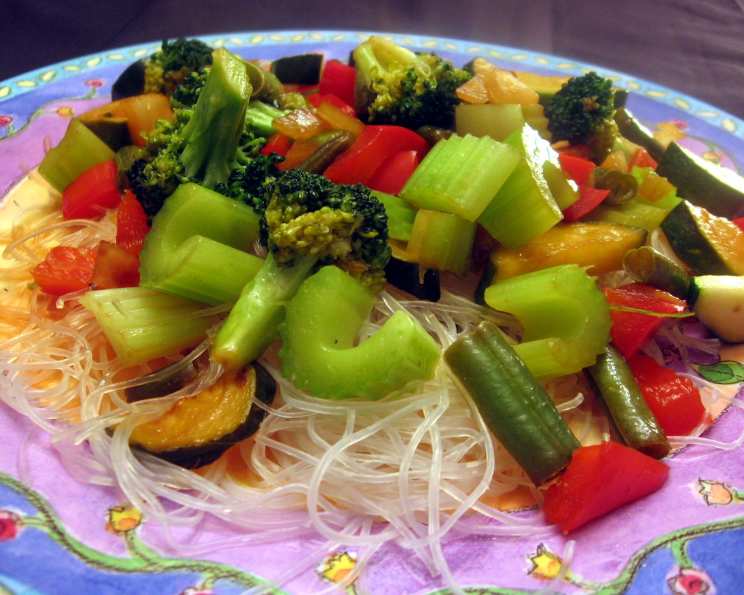
Sautéed Veggies: A Symphony of Flavors and Textures
I still remember the first time I truly appreciated the magic of simply sautéed vegetables. It wasn’t in some fancy restaurant, but rather in my tiny student apartment, desperately trying to conjure up a nutritious meal from the odds and ends in my fridge. The vibrant colors popping in the pan, the sizzle of garlic, the way the vegetables softened and caramelized, unlocking a sweetness I never knew they possessed – it was a revelation. From that moment on, sautéed vegetables became a staple, a canvas for culinary creativity, and a reminder that simple ingredients, treated with care, can deliver extraordinary flavor.
Recipe Overview
- Prep Time: 20 minutes
- Cook Time: 24 minutes
- Total Time: 44 minutes
- Servings: 4
- Dietary Type: Vegetarian
Ingredients
- 1/3 cup soy sauce
- 2 tablespoons liquid honey
- 2 tablespoons rice vinegar
- 1 garlic clove, minced
- 1 teaspoon sesame oil (optional)
- 1/4 teaspoon ground ginger
- 3 tablespoons canola oil
- 1 small onion, chopped
- 2 cups broccoli florets
- 4 small zucchini, peeled and cut in half lengthwise, then sliced into 1/4 inch slices (500 g in total)
- 1 red bell pepper, seeded and sliced
- 1 cup green beans, trimmed and cut into 1-inch pieces (150 g in total)
- 1 cup arugula, chopped (125 g in total)
- 1 cup bok choy (125 g in total) or 1 cup celery, cut in thick slices (125 g in total)
- 1/2 lb fine pasta, cooked (angel hair)
- 2 tablespoons sesame seeds, toasted
Equipment Needed
- Small bowl
- Whisk
- Large non-stick skillet
Instructions
- In a small bowl, whisk together the soy sauce, honey, rice vinegar, minced garlic, sesame oil (if using), and ground ginger.
- Gradually whisk in 2 tablespoons of the canola oil. Set the sauce aside. This creates a quick and flavourful marinade that will enhance the vegetables’ natural sweetness.
- In a large non-stick skillet, heat the remaining 1 tablespoon of canola oil over medium-high heat. It is important to use a non-stick skillet to prevent the veggies from sticking and burning.
- Add the chopped onion and cook, stirring frequently, for approximately 2 minutes, or until it begins to soften and turn translucent. This is the aromatic base for your vegetable medley.
- Add the broccoli florets, zucchini slices, red bell pepper slices, and green beans to the skillet. Pour in 1/2 cup of the prepared sauce (from step 2). Stir to coat the vegetables evenly with the sauce.
- Continue cooking and stirring for 3 to 5 minutes. Ensure the vegetables are evenly distributed in the pan for consistent cooking.
- Add the chopped arugula and bok choy (or celery, if using) to the skillet. Cook, stirring constantly, until the greens begin to wilt and soften. The arugula adds a peppery note, while the bok choy offers a mild, slightly sweet flavour.
- Pour the remaining sauce over the vegetables and bring the mixture to a boil.
- Once boiling, cover the skillet and cook for about 7 minutes, or until the green beans and broccoli are tender-crisp. Be careful not to overcook, as you want the vegetables to retain some of their texture and bite.
- Spread the cooked pasta evenly across four plates.
- Top each plate with the sautéed vegetables.
- Sprinkle each serving with toasted sesame seeds before serving. These add a nutty flavor and a delightful crunch.
Expert Tips & Tricks
- Don’t overcrowd the pan: Overcrowding lowers the pan temperature, leading to steamed, rather than sautéed, vegetables. Cook in batches if necessary.
- Pre-heating is key: Ensure your skillet is properly heated before adding the oil and vegetables. This will help achieve that desirable sear and prevent sticking.
- Vary the vegetables: Feel free to experiment with different vegetables based on seasonal availability and your personal preferences. Mushrooms, asparagus, snow peas, or even edamame would be delicious additions.
- Toasting the sesame seeds: Toasting sesame seeds enhances their nutty flavour. Spread them on a dry pan over medium heat and cook, stirring constantly, until golden brown and fragrant.
- Make-ahead tip: The sauce can be prepared a day in advance and stored in the refrigerator.
Serving & Storage Suggestions
Serve the sautéed vegetables immediately over the cooked pasta for the best flavour and texture. The heat from the vegetables will gently warm the pasta.
Leftovers can be stored in an airtight container in the refrigerator for up to 3 days. To reheat, gently warm in a skillet over medium heat, adding a splash of water or broth if needed to prevent sticking. Microwaving is also an option, but may result in a slightly softer texture. While not recommended, you can freeze the leftovers in a freezer-safe container for up to one month. The texture of the vegetables may change slightly after thawing.
Nutritional Information
| Nutrient | Amount per Serving | % Daily Value |
|---|---|---|
| Calories | 433.8 kcal | N/A |
| Calories from Fat | N/A | N/A |
| Total Fat | 14.2 g | 21% |
| Saturated Fat | 1.3 g | 6% |
| Cholesterol | 0 mg | 0% |
| Sodium | 1380.1 mg | 57% |
| Total Carbohydrate | 65.8 g | 21% |
| Dietary Fiber | 5.9 g | 23% |
| Sugars | 14.8 g | 59% |
| Protein | 14.7 g | 29% |
Variations & Substitutions
- Gluten-free: Use gluten-free pasta and tamari instead of soy sauce.
- Vegan: Ensure the honey is replaced with agave or maple syrup.
- Spicy: Add a pinch of red pepper flakes to the sauce for a little heat.
- Protein boost: Add tofu, tempeh, or shrimp to the skillet along with the vegetables.
- Seasonal: Adapt the recipe to feature seasonal vegetables like butternut squash in the fall or asparagus in the spring.
FAQs (Frequently Asked Questions)
Q: Can I use frozen vegetables instead of fresh?
A: Yes, you can use frozen vegetables, but the texture may be slightly softer. Thaw them before adding them to the skillet and reduce the cooking time accordingly.
Q: How do I prevent the vegetables from becoming soggy?
A: Avoid overcrowding the pan and ensure the skillet is hot before adding the vegetables. Cooking in batches can help maintain the pan temperature.
Q: Can I use a different type of oil?
A: Yes, you can substitute canola oil with other neutral oils like vegetable oil or grapeseed oil.
Q: How do I store the toasted sesame seeds?
A: Store toasted sesame seeds in an airtight container at room temperature for up to a week.
Q: Can I add other sauces to this recipe?
A: Absolutely! Teriyaki sauce, hoisin sauce, or even a simple peanut sauce would be delicious additions. Add them towards the end of the cooking process to prevent burning.
Final Thoughts
This vibrant sautéed vegetable dish is more than just a recipe; it’s an invitation to explore the endless possibilities of fresh, seasonal produce. Don’t be afraid to experiment with different vegetables, sauces, and seasonings to create a dish that truly reflects your personal taste. I encourage you to try this recipe, share it with your loved ones, and let me know what creative twists you come up with. Pair it with a crisp Sauvignon Blanc or a refreshing iced green tea for a complete and satisfying meal. Happy cooking!