
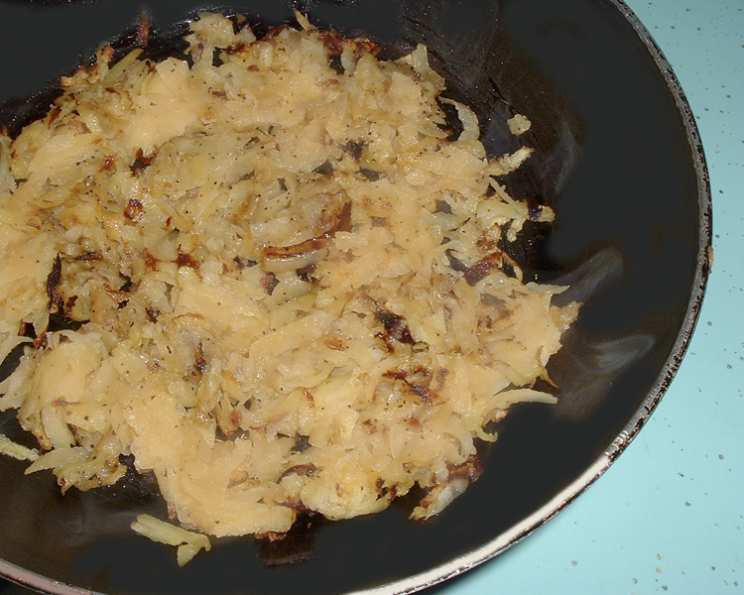
Sautéed Yellow Turnips: A Taste of Simple Comfort
I still remember the first time I tasted a properly prepared rutabaga. Growing up, it was one of those vegetables that seemed perpetually relegated to the “meh” category, more of a forgotten root than a culinary star. Then, on a crisp autumn day at a local harvest festival, I stumbled upon a humble stall offering samples of sautéed turnips. The aroma of browned butter and caramelized sweetness wafted through the air, drawing me in. One bite, and I was transported. The earthiness of the turnip was perfectly balanced by the richness of the butter and a touch of brown sugar. It was a revelation, transforming my perception of this often-overlooked vegetable forever. Now, it’s a regular feature on my own autumn and winter table.
Recipe Overview
- Prep Time: 15 minutes
- Cook Time: 15 minutes
- Total Time: 30 minutes
- Servings: 6
- Yield: 6 servings
- Dietary Type: Vegetarian, Gluten-Free
Ingredients
- 3 large yellow turnips (also known as swede or rutabaga), peeled and grated
- 5 tablespoons butter
- Salt and freshly ground black pepper, to taste
- 1 tablespoon brown sugar
Equipment Needed
- Large skillet
- Vegetable peeler
- Food processor or box grater
- Spatula or wooden spoon
Instructions
- Begin by prepping your yellow turnips. Peel them thoroughly using a vegetable peeler. This step is crucial as the skin can be quite tough and slightly bitter.
- Once peeled, grate the turnips. You can use a food processor with a grating attachment to expedite the process, or you can use a box grater. If using a box grater, be careful to protect your fingers. Aim for a medium to coarse grate.
- Place a large skillet over medium heat. Add the butter and allow it to melt completely. Let the butter melt until it is evenly distributed in the pan.
- Add the grated yellow turnips to the melted butter. Stir well to ensure all the turnips are coated in the butter.
- Sauté the turnips, stirring occasionally, until they become soft and develop a deep yellow color. This usually takes about 10-15 minutes. Be patient and avoid overcrowding the pan, as this can steam the turnips instead of sautéing them. A good indicator of doneness is when the turnips are easily pierced with a fork and have a slightly caramelized appearance.
- Season with salt and freshly ground black pepper to taste. Start with a generous pinch of each and adjust as needed. Remember that the turnips will mellow out in flavor as they cook, so don’t be afraid to season them well.
- Sprinkle the brown sugar over the sautéed turnips. Stir gently to incorporate the sugar evenly. The brown sugar will add a touch of sweetness and help to caramelize the turnips, creating a delicious glaze.
- Continue to cook for another minute or two, stirring constantly, until the brown sugar is dissolved and the turnips are nicely glazed.
- Remove from heat and serve hot.
Expert Tips & Tricks
- Grate for Even Cooking: Grating the turnips ensures even cooking and a pleasing texture. Consistency in size is key.
- Don’t Overcrowd: Avoid overcrowding the skillet, as this will lower the temperature and cause the turnips to steam instead of sauté. If necessary, cook in batches.
- Butter is Key: Use good-quality butter for the best flavor. The butter adds richness and helps the turnips caramelize beautifully. You can also use clarified butter (ghee) for a nuttier flavor and higher smoke point.
- Salt Smartly: Season with salt early in the cooking process to help draw out moisture and enhance the flavor of the turnips.
- Taste as You Go: Taste the turnips throughout the cooking process and adjust the seasoning as needed. Every turnip is different, and the amount of salt and pepper needed may vary.
- Add Herbs: For a more complex flavor profile, consider adding fresh herbs such as thyme, rosemary, or sage during the last few minutes of cooking.
- Browning = Flavor: Don’t be afraid to let the turnips brown slightly in the pan. The browning process (Maillard reaction) will add depth and complexity to the flavor.
- Sweetness Adjustment: Adjust the amount of brown sugar to your liking. If you prefer a less sweet dish, reduce the amount of brown sugar or omit it altogether. You can also use maple syrup or honey as a substitute.
- Make Ahead: The turnips can be grated ahead of time and stored in the refrigerator for up to 24 hours. However, they may darken slightly, so it’s best to cook them as soon as possible.
Serving & Storage Suggestions
Sautéed yellow turnips are a versatile side dish that pairs well with a variety of main courses. They are particularly delicious served alongside roasted meats, such as pork, chicken, or beef. They also complement fish and vegetarian dishes beautifully.
For an elegant presentation, transfer the sautéed turnips to a serving dish and garnish with fresh herbs, such as parsley or chives. A sprinkle of toasted nuts, such as walnuts or pecans, can also add a nice textural element.
Leftover sautéed turnips can be stored in an airtight container in the refrigerator for up to 3-4 days. To reheat, simply warm them in a skillet over medium heat or microwave until heated through. A splash of water or broth can help to prevent them from drying out.
While freezing is not recommended (as it alters the texture and can make them mushy), they are best enjoyed fresh.
Nutritional Information
| Nutrient | Amount per Serving | % Daily Value |
|---|---|---|
| Calories | 150 kcal | 8% |
| Total Fat | 11g | 17% |
| Saturated Fat | 7g | 35% |
| Cholesterol | 30mg | 10% |
| Sodium | 150mg | 7% |
| Total Carbohydrate | 10g | 3% |
| Dietary Fiber | 2g | 8% |
| Sugars | 6g | – |
| Protein | 1g | 2% |
Note: Nutritional information is an estimate and may vary based on specific ingredients and portion sizes.
Variations & Substitutions
- Spiced Up: Add a pinch of ground nutmeg, cinnamon, or ginger for a warm and aromatic flavor.
- Garlic Infusion: Sauté minced garlic along with the turnips for an extra layer of flavor.
- Herbaceous Twist: Incorporate fresh herbs like thyme, rosemary, or sage during the last few minutes of cooking.
- Sweet and Savory: Drizzle with balsamic glaze for a tangy and sweet counterpoint.
- Maple Glaze: Substitute maple syrup for brown sugar for a more complex sweetness.
- Butter Alternative: Use olive oil or coconut oil for a vegan option.
- Add Some Crunch: Top with toasted breadcrumbs or chopped nuts for added texture.
- Root Vegetable Medley: Combine with other root vegetables like carrots, parsnips, or potatoes for a colorful and flavorful side dish.
FAQs (Frequently Asked Questions)
Q: Can I use pre-shredded turnips?
A: While you can use pre-shredded turnips to save time, freshly grated turnips will have a better texture and flavor. Pre-shredded turnips tend to dry out more quickly.
Q: How do I know when the turnips are done cooking?
A: The turnips are done when they are soft, easily pierced with a fork, and have a deep yellow color. They should also be slightly caramelized.
Q: Can I use a different type of sugar?
A: Yes, you can substitute granulated sugar, maple syrup, or honey for brown sugar. Keep in mind that the flavor will vary slightly depending on the type of sugar you use.
Q: Can I add other vegetables to this dish?
A: Absolutely! Carrots, parsnips, onions, and garlic all make excellent additions to this dish. Just be sure to adjust the cooking time accordingly.
Q: How can I prevent the turnips from sticking to the pan?
A: Use a non-stick skillet or make sure the pan is well-greased with butter. Avoid overcrowding the pan, and stir the turnips frequently to prevent sticking.
Final Thoughts
Sautéed yellow turnips might not be the first dish that springs to mind when planning a meal, but I urge you to give it a try. This simple recipe transforms a humble root vegetable into a surprisingly delicious and comforting side dish. The combination of earthy sweetness, rich butter, and a touch of brown sugar is simply irresistible. Experiment with different herbs and spices to create your own unique version. Don’t be afraid to share your feedback and cooking experiences – I’m always eager to hear about your culinary adventures. Pair it with a hearty roast chicken or a tender pork loin, and you’ve got a truly satisfying meal.