
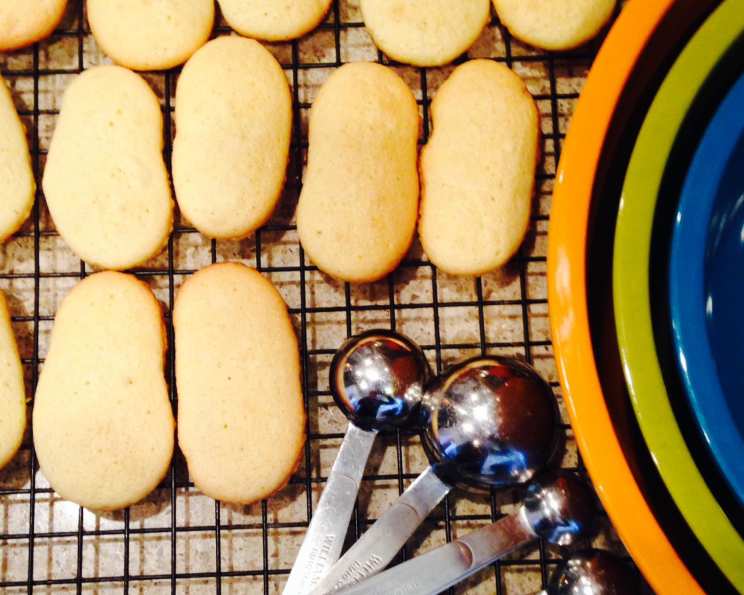
Savoiardi: The Delicate Art of Italian Ladyfingers
The first time I tasted a truly exceptional tiramisu, it wasn’t the coffee-soaked sponge or the creamy mascarpone that captivated me—it was the delicate, airy texture of the ladyfingers. They seemed to melt in my mouth, providing the perfect counterpoint to the richness of the dessert. From that moment on, I was determined to master the art of making Savoiardi, those quintessential Italian biscuits. It wasn’t easy, and my early attempts resulted in flat, dense failures, but the pursuit of that perfect light and airy crumb kept me going. Now, years later, I’m excited to share the secrets to creating these delectable treats at home.
Recipe Overview
- Prep Time: 20 minutes
- Cook Time: 6 minutes
- Total Time: 26 minutes
- Yields: About 24 ladyfingers
- Serves: 24
- Dietary Type: Not specified
Ingredients
- 5 egg whites
- 4 egg yolks
- 2/3 cup sugar
- 1 dash vanilla
- 1/2 teaspoon baking powder
- 1 cup all-purpose flour
Equipment Needed
- Two mixing bowls
- Electric mixer
- Sifter (or piece of waxed paper)
- Rubber spatula
- Pastry bag with wide tip (or ziploc bag)
- Greased cookie sheet
Instructions
-
Begin by carefully separating the eggs. Place the egg whites into one bowl and the egg yolks into another. It is crucial to ensure that absolutely no yolk gets into the bowl with the egg whites, as this will prevent them from whipping properly.
-
Using an electric mixer, beat the egg whites on high speed until they become foamy. This incorporates air into the egg whites, which is essential for the light texture of the ladyfingers.
-
Gradually add 2 tablespoons of the 2/3 cup of sugar to the egg whites while continuing to beat them. Continue beating until stiff peaks form. This means the egg whites should hold their shape when the beaters are lifted. Set the beaten egg whites aside.
-
In the separate bowl containing the egg yolks, add the vanilla and the remaining sugar. Beat the mixture until it becomes pale yellow and slightly thickened. This process incorporates air and creates a stable base for the batter. Set this mixture aside as well.
-
Next, sift together the flour and baking powder. If you prefer not to use a sifter, you can simply whisk the flour and baking powder together on a piece of waxed paper. This helps to evenly distribute the baking powder and prevent lumps in the batter.
-
Now, it’s time to combine the mixtures. Gently fold half of the beaten egg whites into the egg yolk mixture. This helps to lighten the egg yolk mixture and make it easier to incorporate the flour.
-
Fold the flour mixture into the egg yolk and egg white mixture. Be careful not to overmix, as this can develop the gluten in the flour and result in tough ladyfingers.
-
Finally, fold in the remaining egg whites. Again, be gentle and avoid overmixing. The goal is to maintain the airiness of the egg whites.
-
Preheat your oven to 350°F (175°C). Make sure the oven is fully preheated before baking.
-
Transfer the batter to a pastry bag fitted with a wide tip. If you don’t have a pastry bag, you can use a ziploc bag with one of the corners snipped off.
-
Pipe the batter onto a greased cookie sheet in the desired shape. Traditionally, ladyfingers are shaped like fingers, about as wide as your pointer and middle finger put together. Leave some space between each ladyfinger, as they will spread slightly during baking.
-
Bake for approximately 6 minutes, or until the edges are just golden brown. Keep a close eye on them, as they can burn easily. The baking time may vary depending on your oven.
Expert Tips & Tricks
- Room Temperature Eggs: Ensure that your eggs are at room temperature before starting. This helps them to whip up more easily and create a lighter, more stable meringue.
- Piping Consistency: If your batter seems too thin to pipe, gently fold in a tablespoon or two of additional flour. Conversely, if it’s too thick, add a teaspoon of milk.
- Dusting with Sugar: For a truly authentic touch, dust the piped ladyfingers with powdered sugar before baking. This adds a delicate sweetness and creates a slightly crisp exterior.
- Don’t Overbake: The key to perfect ladyfingers is to avoid overbaking them. They should be lightly golden and springy to the touch.
Serving & Storage Suggestions
Savoiardi are incredibly versatile. They are, of course, a key ingredient in tiramisu and charlotte cakes. However, they are also delicious served alongside coffee or tea, or simply enjoyed on their own.
To store leftover ladyfingers, place them in an airtight container at room temperature. They will stay fresh for up to 3 days. You can also freeze them for longer storage. Thaw them at room temperature before using. They may lose a bit of their crispness after freezing, but they will still be delicious.
Nutritional Information
Please note that the following is an estimated nutritional information.
| Nutrient | Amount per Serving | % Daily Value |
|---|---|---|
| Calories | 45 kcal | 2% |
| Total Fat | 1g | 1% |
| Saturated Fat | 0g | 0% |
| Cholesterol | 30mg | 10% |
| Sodium | 10mg | 0% |
| Total Carbohydrate | 7g | 2% |
| Dietary Fiber | 0g | 0% |
| Sugars | 4g | 8% |
| Protein | 1g | 2% |
Variations & Substitutions
- Gluten-Free: Substitute the all-purpose flour with a gluten-free blend. Ensure the blend contains xanthan gum or another binder to help with the texture.
- Flavor Variations: Add a teaspoon of lemon zest or orange zest to the egg yolk mixture for a citrusy twist. You can also add a pinch of cinnamon or nutmeg for a warm, spiced flavor.
- Vegan Ladyfingers: While more challenging, you can attempt a vegan version using aquafaba (the liquid from canned chickpeas) as an egg white substitute. There are many online recipes specifically tailored for vegan ladyfingers.
- Almond Flour: Substitute a portion of the all-purpose flour with almond flour for a slightly nutty flavor and denser texture.
FAQs (Frequently Asked Questions)
Q: Why are my ladyfingers flat and dense?
A: This is usually due to overmixing the batter, which deflates the egg whites. Be gentle when folding the ingredients together.
Q: Can I make ladyfingers without a pastry bag?
A: Yes, you can use a ziploc bag with a corner snipped off, or even just spoon the batter onto the baking sheet in the desired shape.
Q: How do I know when the ladyfingers are done?
A: They should be lightly golden brown around the edges and springy to the touch. Be careful not to overbake them.
Q: Can I use these ladyfingers for tiramisu right away?
A: Yes, you can use them immediately, but letting them sit overnight allows them to dry out slightly, which makes them better at absorbing the coffee in tiramisu.
Q: My egg whites won’t whip up properly. What’s wrong?
A: Make sure your bowl and beaters are completely clean and free of any grease or oil. Even a tiny bit of fat can prevent egg whites from whipping. Also, ensure that no egg yolk got into the egg whites.
Final Thoughts
Making Savoiardi at home may seem daunting at first, but with a little practice and attention to detail, you’ll be rewarded with delicate, airy biscuits that are perfect for all sorts of desserts. Don’t be discouraged if your first batch isn’t perfect – baking is a journey of experimentation and learning. So, preheat your oven, gather your ingredients, and embark on the delightful adventure of creating these classic Italian treats. Share your creations with friends and family, and let the compliments roll in. Buon appetito!