
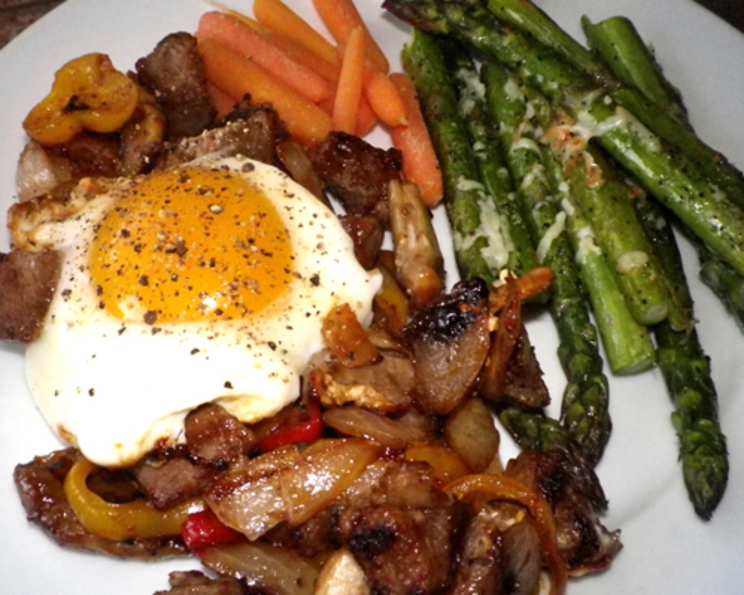
Scandinavian Hash (Biksemad): A Culinary Embrace of Comfort
There are certain smells that instantly transport me back to my grandmother’s kitchen: the warm, yeasty aroma of baking bread, the sweet spice of apple pie, and the savory scent of potatoes and onions sizzling in butter. It was a humble yet deeply satisfying fragrance that promised a comforting meal, and it’s the very essence of biksemad, or Scandinavian Hash. I can almost feel the warmth of the cast-iron pan radiating through the room, hear the cheerful chatter around the table, and taste the rich, flavorful simplicity of this beloved dish. It’s a dish born of resourcefulness and love, a testament to the magic that can be created from simple ingredients and cherished traditions.
Recipe Overview
- Prep Time: 15 minutes
- Cook Time: 15 minutes
- Total Time: 30 minutes
- Servings: 4
- Yield: Hearty Meal for 4
- Dietary Type: Varies (can be made gluten-free and dairy-free)
Ingredients
- 3 ounces butter
- 2 medium onions, chopped
- 1 1/2 lbs cooked cold potatoes, diced
- 1 lb cooked leftover meat (beef, pork, or lamb recommended)
- Salt, to taste
- Pepper, to taste
- 4 fried eggs (optional)
Equipment Needed
- Large skillet or frying pan
- Cutting board
- Knife
Instructions
-
Begin by melting half of the butter (1.5 ounces) in a large skillet over medium heat. The butter should shimmer and coat the pan evenly.
-
Add the chopped onions to the melted butter. Sauté them, stirring frequently, until they are softened and have turned a golden brown color. This usually takes about 5-7 minutes. Be patient; allowing the onions to caramelize slightly will enhance the overall flavor of the dish.
-
Once the onions are golden, remove them from the skillet and set them aside in a bowl to keep warm.
-
Add the remaining butter (1.5 ounces) to the skillet and allow it to melt completely.
-
Add the diced cooked potatoes to the skillet. Spread them out in a single layer if possible, avoiding overcrowding. Sauté the potatoes, turning occasionally, until they start to brown and develop a crispy exterior. This process might take 8-10 minutes, depending on the heat of your stove and the type of potatoes used.
-
Add the cooked leftover meat to the skillet with the potatoes. Cook for 2-3 minutes, stirring frequently, until the meat is heated through. The meat should already be cooked, so you’re just warming it up and allowing it to mingle with the flavors of the potatoes and butter.
-
Return the sautéed onions to the skillet. Cook until everything is heated through, ensuring that all the ingredients are well combined and coated in the buttery goodness. This final cooking step brings all the flavors together and creates a cohesive, delicious hash.
-
Season the biksemad generously with salt and pepper to taste. Remember that the cooked meat and potatoes may already contain some salt, so start with a small amount and adjust as needed.
-
Traditionally, biksemad is served with a lightly fried egg on top. If desired, fry 4 eggs to your liking (sunny-side up, over easy, or over medium) while the hash is finishing. Place an egg on top of each serving of biksemad.
Expert Tips & Tricks
- Potato Perfection: For the best texture, use waxy potatoes like Yukon Gold or red potatoes. Avoid starchy potatoes like Russets, as they can become mushy during cooking.
- Meat Matters: Don’t limit yourself to just one type of meat! A combination of leftover roast beef and ham, or pork and sausage, can add depth and complexity to the flavor.
- Crispy Confidence: To ensure the potatoes get truly crispy, avoid overcrowding the pan. Work in batches if necessary.
- Flavor Boost: Add a splash of Worcestershire sauce or a dash of smoked paprika to the biksemad for an extra layer of flavor.
- Make-Ahead Magic: You can dice the potatoes and chop the onions ahead of time to speed up the cooking process. Store them separately in airtight containers in the refrigerator.
- Quick Fix: If your hash seems dry, add a tablespoon or two of butter or olive oil to the skillet.
Serving & Storage Suggestions
Serve the biksemad hot, directly from the skillet, with a fried egg on top. A sprinkle of fresh parsley or chives adds a touch of freshness and visual appeal.
Leftover biksemad can be stored in an airtight container in the refrigerator for up to 3 days. To reheat, simply sauté it in a skillet over medium heat until heated through. You can also microwave it, but the potatoes may lose some of their crispiness.
Do not leave cooked biksemad at room temperature for more than 2 hours. If freezing, allow the biksemad to cool completely before transferring it to a freezer-safe container. It can be frozen for up to 2 months. Thaw in the refrigerator overnight before reheating.
Nutritional Information
Note: Nutritional information is an estimate and may vary based on specific ingredients and portion sizes.
| Nutrient | Amount per Serving | % Daily Value |
|---|---|---|
| Calories | 450 kcal | 23% |
| Total Fat | 30g | 46% |
| Saturated Fat | 18g | 90% |
| Cholesterol | 150mg | 50% |
| Sodium | 500mg | 22% |
| Total Carbohydrate | 25g | 9% |
| Dietary Fiber | 3g | 12% |
| Sugars | 5g | |
| Protein | 20g | 40% |
Variations & Substitutions
- Vegetarian Biksemad: Omit the meat and add diced vegetables like carrots, bell peppers, and zucchini. Consider adding a can of drained and rinsed chickpeas or lentils for added protein.
- Gluten-Free Biksemad: Ensure that the leftover meat and any sauces you add are gluten-free. This recipe is naturally gluten-free as long as you are cautious of added ingredients.
- Dairy-Free Biksemad: Substitute the butter with olive oil or another plant-based oil.
- Spicy Biksemad: Add a pinch of red pepper flakes or a drizzle of hot sauce to the skillet for a spicy kick.
- Herbed Biksemad: Incorporate fresh herbs like thyme, rosemary, or sage to enhance the flavor.
- Sweet Potato Biksemad: Replace half of the potatoes with diced sweet potatoes for a sweeter and more vibrant dish.
FAQs (Frequently Asked Questions)
Q: Can I use frozen potatoes for this recipe?
A: While fresh potatoes are preferred for their texture and flavor, frozen diced potatoes can be used in a pinch. Be sure to thaw them completely and pat them dry before adding them to the skillet to prevent them from becoming soggy.
Q: What kind of meat is best for biksemad?
A: The beauty of biksemad is that you can use virtually any leftover cooked meat! Beef, pork, lamb, chicken, and even sausage are all excellent choices. Choose your favorite or use a combination of meats for a more complex flavor.
Q: Can I make this recipe ahead of time and reheat it later?
A: Yes, you can prepare the biksemad ahead of time and store it in the refrigerator for up to 3 days. Reheat it in a skillet over medium heat or in the microwave until heated through. The potatoes may lose some of their crispiness upon reheating.
Q: What can I serve with biksemad?
A: Biksemad is a hearty and satisfying dish on its own, but it also pairs well with other simple sides like pickled beets, rye bread, or a dollop of sour cream.
Q: Can I add other vegetables to biksemad?
A: Absolutely! Feel free to add other vegetables like mushrooms, peas, or green beans to the skillet along with the potatoes and meat. Just be sure to adjust the cooking time accordingly to ensure that all the vegetables are cooked through.
Final Thoughts
Biksemad is more than just a hash; it’s a celebration of simplicity, resourcefulness, and the warmth of home. It’s a dish that invites you to slow down, savor the moment, and appreciate the simple pleasures of good food shared with loved ones. I encourage you to try this recipe, experiment with different variations, and create your own unique version of this Scandinavian classic. Let the aroma of sizzling potatoes and onions fill your kitchen, and let the flavors of biksemad transport you to a place of comfort and contentment. Enjoy, and please share your feedback! What variations did you try? What did you serve it with? Let me know!