
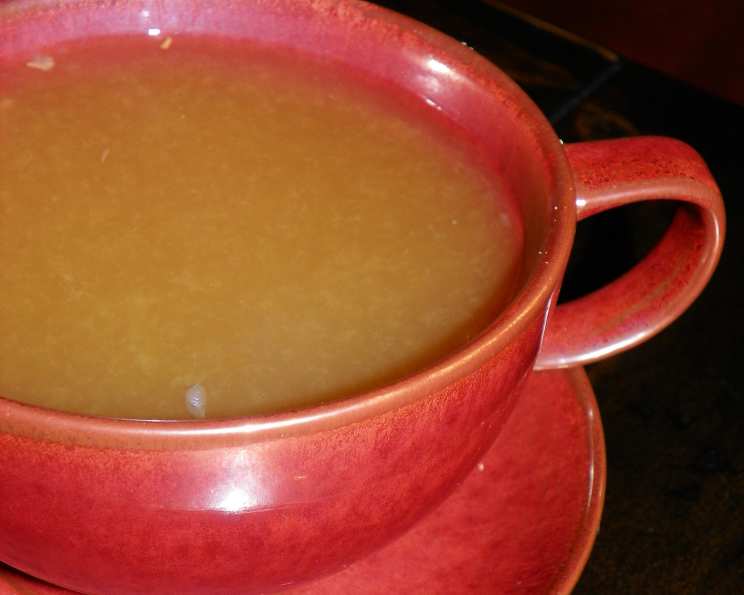
Schwiegermuttertee: A Sip of German Tradition
My first taste of Schwiegermuttertee came on a bitterly cold Christmas Eve in Cologne. The air, thick with the scent of roasting chestnuts and Glühwein, barely masked the chill seeping through my wool coat. Seeking refuge in a small, brightly lit cafe, I was offered a steaming mug of something called “Mother-in-Law’s Tea.” The warm, citrusy aroma, laced with a hint of something a bit stronger, promised comfort. One sip, and I was hooked. It was a revelation – a vibrant, complex drink that chased away the winter gloom and left me feeling utterly embraced by German warmth and hospitality.
Recipe Overview
- Prep Time: 20 minutes
- Cook Time: 10 minutes
- Total Time: 1 hour 30 minutes (includes resting time)
- Servings: 4
- Yields: 1 teapot
- Dietary Type: Suitable for Vegetarians
Ingredients
- 3 Oranges
- 1 Lemon
- Juice of 4-5 Oranges
- 3 ½ ounces Sugar Cubes (or to taste)
- 5 tablespoons Tea Leaves
- 3-4 tablespoons Rum
- 4 cups Water
Equipment Needed
- Large Bowl
- Saucepan
- Fine-mesh Strainer
- Teapot
Instructions
- Begin by thoroughly washing the oranges and the lemon.
- Take each sugar cube and vigorously rub it against the skins of the oranges and lemon, releasing their fragrant oils. This process infuses the sugar with citrusy goodness, a crucial step for building the tea’s unique flavor profile.
- Place the now citrus-infused sugar into a large bowl.
- Extract the juice from 4 to 5 oranges, ensuring you have enough to create a vibrant base for the tea.
- Add the fresh orange juice and the juice of 1 lemon to the bowl containing the citrus-infused sugar.
- Stir the mixture well until the sugar begins to dissolve in the juice. This creates a concentrated citrus syrup that will form the foundation of your Schwiegermuttertee.
- Cover the bowl and allow it to rest for one hour. This resting period allows the citrus flavors to meld and deepen, resulting in a more complex and aromatic tea.
- After the resting period, bring 4 cups of water to a rolling boil.
- Place 5 tablespoons of your favorite tea leaves in a heatproof container. Black tea works traditionally, but feel free to experiment with other varieties like Earl Grey or a robust herbal blend.
- Pour the boiling water over the tea leaves.
- Let the tea steep for a couple of minutes, allowing the flavors to fully infuse into the water. Avoid over-steeping, as this can result in a bitter taste.
- Strain the steeped tea through a fine-mesh strainer, discarding the tea leaves.
- Now, gently mix the strained tea with the orange juice mixture in a saucepan.
- Add 3-4 tablespoons of rum to the mixture. Adjust the amount of rum to your personal preference, keeping in mind that it should complement, not overpower, the other flavors.
- Gently heat the mixture over low heat. Be careful not to let it boil, as this will degrade the delicate citrus flavors and potentially evaporate the rum. The goal is to warm the tea through without altering its composition.
- Once the tea is heated, pour it into a teapot for serving.
Expert Tips & Tricks
- For a richer, more intense citrus flavor, consider zesting the oranges and lemon before rubbing them with the sugar cubes. Add the zest to the juice mixture for an extra layer of aroma.
- If you prefer a less sweet tea, you can reduce the amount of sugar cubes used. Taste and adjust to your liking after the resting period.
- The quality of your tea leaves will significantly impact the final flavor of the Schwiegermuttertee. Opt for high-quality loose-leaf tea for the best results.
- Don’t have rum on hand? Brandy or even a splash of orange liqueur can be used as a substitute, adding a unique twist to the traditional recipe.
- For a festive presentation, garnish each cup with a slice of fresh orange or lemon, or a cinnamon stick.
Serving & Storage Suggestions
Schwiegermuttertee is traditionally served warm in a teapot, perfect for sharing with friends and family. It’s particularly enjoyable on cold winter days or as a comforting evening beverage. In Germany, it is often served with Christmas cookies, providing a delightful sweet counterpoint to the tea’s citrusy and slightly boozy warmth.
Leftover Schwiegermuttertee can be stored in an airtight container in the refrigerator for up to 2 days. Reheat gently on the stovetop or in the microwave before serving. It’s best to enjoy it fresh, as the flavors may diminish over time. Freezing is not recommended, as it can alter the texture and flavor of the tea.
Nutritional Information
| Nutrient | Amount per Serving | % Daily Value |
|---|---|---|
| Calories | 232 kcal | 12% |
| Total Fat | 0.3g | 0% |
| Saturated Fat | 0.1g | 0% |
| Cholesterol | 0mg | 0% |
| Sodium | 8mg | 0% |
| Total Carbohydrate | 53g | 19% |
| Dietary Fiber | 5.9g | 21% |
| Sugars | 46.6g | 186% |
| Protein | 2.3g | 5% |
Note: Nutritional information is an estimate and may vary based on specific ingredients and portion sizes.
Variations & Substitutions
- Non-Alcoholic Version: Omit the rum for a family-friendly version. The citrus flavors will still shine through, creating a refreshing and warming beverage.
- Spiced Variation: Add a pinch of ground cinnamon, cloves, or nutmeg to the tea while it steeps for a more complex and aromatic flavor profile.
- Herbal Infusion: Experiment with different herbal teas, such as chamomile or rooibos, to create a caffeine-free version of Schwiegermuttertee.
- Honey Sweetened: Replace the sugar cubes with honey or maple syrup for a natural sweetener option. Adjust the amount to your preferred level of sweetness.
- Sparkling Schwiegermuttertee: Top the finished tea with sparkling water or club soda for a refreshing and festive twist, perfect for warmer weather.
FAQs (Frequently Asked Questions)
Q: Why is it called “Mother-in-Law’s Tea?”
A: The name is somewhat tongue-in-cheek, implying that the tea is potent enough to either sweeten up or perhaps even slightly incapacitate a mother-in-law. It’s a playful nod to the drink’s strong flavors and alcoholic kick.
Q: Can I use bottled orange juice instead of fresh?
A: While fresh orange juice is highly recommended for the best flavor, bottled juice can be used in a pinch. Look for a high-quality, 100% juice with no added sugar or preservatives.
Q: What type of rum is best for this recipe?
A: A dark or amber rum will add a richer, more complex flavor to the tea. However, a light rum can also be used for a milder taste.
Q: Can I make this tea ahead of time?
A: Yes, you can prepare the citrus-infused sugar mixture ahead of time and store it in the refrigerator for up to 24 hours. Simply add the tea and rum when you’re ready to serve.
Q: How do I prevent the tea from becoming bitter?
A: Avoid over-steeping the tea leaves. Two minutes is generally sufficient. Also, be careful not to let the tea boil when heating it, as this can also contribute to bitterness.
Final Thoughts
Schwiegermuttertee is more than just a beverage; it’s a taste of German tradition, a sip of warmth and hospitality that’s perfect for sharing with loved ones. Don’t be intimidated by the slightly unusual name – this tea is surprisingly easy to make and utterly delightful to drink. I encourage you to give this recipe a try and experience the comforting flavors of Schwiegermuttertee for yourself. Feel free to experiment with different variations and substitutions to create your own unique twist on this classic German recipe. And if you do, please share your feedback – I’d love to hear about your experiences! Consider serving it alongside some traditional German Christmas cookies for a truly authentic and festive experience.