
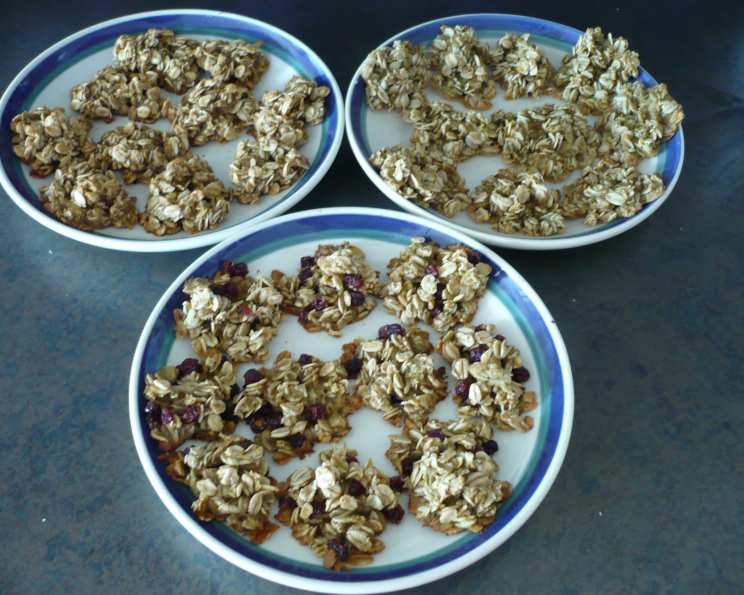
The Humble Majesty of Scottish Oatcakes
My first encounter with Scottish oatcakes wasn’t in the Highlands, but in a small, sun-drenched kitchen in rural France. I was a young stagiaire, and the head chef, a formidable Scotswoman named Agnes, would occasionally whip up a batch. The aroma of toasted oats, subtly sweet and earthy, would fill the air, a comforting scent that transported her—and me—to a land of heather-clad hills and windswept coasts. I remember being fascinated by their rustic simplicity and surprisingly robust flavor, and they’ve been a staple in my kitchen ever since.
Recipe Overview
- Prep Time: 10 minutes
- Cook Time: 15-20 minutes
- Total Time: 25-30 minutes
- Yields: 20-24 oatcakes
- Dietary Type: Vegetarian
Ingredients
- 250 g medium oatmeal or 250 g porridge oats
- 1 pinch salt (see note below)
- 1/4 teaspoon baking soda
- 1 tablespoon lard, melted (see note below)
- 75-200 ml hot water (which has been recently boiled)
Ingredient Notes:
- Salt: Taste is personal. A generous pinch may be needed.
- Lard: For a vegetarian option, substitute with melted butter or a neutral oil like rapeseed or sunflower.
Equipment Needed
- Large mixing bowl
- Wooden spoon
- Rolling pin
- Baking sheet
- Wire rack
- Cookie cutters or knife (for shaping)
Instructions
- Preheat your oven to 200°C/400°F. This ensures the oatcakes bake evenly and develop a lovely golden-brown color.
- In a large mixing bowl, combine the oats, salt, and baking soda. Whisking these dry ingredients together ensures even distribution and consistent results.
- Make a well in the center of the dry ingredients. This creates a reservoir for the melted lard, allowing for even incorporation.
- Pour in the melted lard.
- Stir with a wooden spoon, gradually adding the hot water until a stiff dough forms. The amount of water needed will vary depending on the type of oats you use. If you’re using oatmeal, you’ll likely need around 75 ml; with porridge oats, you may need as much as 200 ml. Add the water gradually to avoid making the dough too sticky.
- Knead the dough for a few minutes to bring it smoothly together. The dough should be firm and slightly tacky but not sticky.
- On a lightly floured surface, roll out the dough as thinly as you can. The thinner the oatcakes, the crispier they will be. Aim for a thickness of about 1/8 inch.
- Cut the dough into triangles or rounds using cookie cutters or a sharp knife. Traditional oatcakes are often triangular, but feel free to get creative with your shapes.
- Place the oatcakes on an ungreased baking sheet.
- Bake for 15-20 minutes, or until the edges are turning golden-brown and the oatcakes themselves are firm to the touch. Keep a close eye on them, as they can burn quickly. The baking time will vary depending on the thickness of the oatcakes and your oven.
- Remove the oatcakes from the oven and transfer them to a wire rack to cool completely. As they cool, they will crisp up even further.
Expert Tips & Tricks
- For extra flavor, try toasting the oats lightly in a dry pan before mixing them with the other ingredients. This will enhance their nutty aroma and add a deeper, more complex flavor to the oatcakes.
- If you find the dough difficult to handle, chill it in the refrigerator for 15-20 minutes before rolling it out. This will firm up the lard and make the dough less sticky.
- Use a pastry scraper to lift the cut oatcakes from the work surface and transfer them to the baking sheet. This will prevent them from stretching or tearing.
- For perfectly uniform oatcakes, use a pizza cutter to cut the rolled-out dough into squares or diamonds.
- If your oatcakes are browning too quickly, lower the oven temperature slightly or tent them with foil.
Serving & Storage Suggestions
Scottish oatcakes are incredibly versatile. They are delicious served with cheese (especially a sharp cheddar or a creamy brie), smoked salmon, pâté, or chutney. They also make a great accompaniment to soups and stews.
Store cooled oatcakes in an airtight container at room temperature for up to a week. For longer storage, you can freeze them for up to 2 months. To reheat frozen oatcakes, simply thaw them at room temperature and then crisp them up in a warm oven for a few minutes.
Nutritional Information
| Nutrient | Amount per Serving | % Daily Value |
|---|---|---|
| Calories | 53.8 kcal | N/A |
| Calories from Fat | 12 g | 24% |
| Total Fat | 1.4 g | 2% |
| Saturated Fat | 0.4 g | 1% |
| Cholesterol | 0.6 mg | 0% |
| Sodium | 24.1 mg | 1% |
| Total Carbohydrate | 8.4 g | 2% |
| Dietary Fiber | 1.2 g | 4% |
| Sugars | 0.2 g | 0% |
| Protein | 2 g | 4% |
Note: Nutritional information is an estimate and may vary depending on specific ingredients and portion sizes.
Variations & Substitutions
- Gluten-Free Oatcakes: Ensure that the oats you use are certified gluten-free. While oats themselves don’t contain gluten, they are often processed in facilities that also handle wheat.
- Sweet Oatcakes: Add a tablespoon of honey or maple syrup to the dough for a touch of sweetness. You can also sprinkle the oatcakes with cinnamon sugar before baking.
- Savory Oatcakes: Experiment with adding herbs, spices, or cheese to the dough. Try adding a teaspoon of dried rosemary, thyme, or sage, or a handful of grated Parmesan or cheddar cheese.
- Vegan Oatcakes: Substitute the lard with a plant-based fat like coconut oil or vegetable shortening.
FAQs (Frequently Asked Questions)
Q: Why are my oatcakes crumbly?
A: This usually means you haven’t added enough water. Gradually add more hot water, a tablespoon at a time, until the dough comes together.
Q: Can I use quick-cooking oats?
A: While you can, the texture will be different. Medium oatmeal or porridge oats provide a more authentic and robust texture.
Q: How do I know when the oatcakes are done?
A: They should be golden brown around the edges and firm to the touch. They will continue to crisp up as they cool.
Q: My oatcakes are burning on the bottom, but not cooked through.
A: Lower the oven rack and/or reduce the oven temperature slightly. You can also place a baking sheet underneath the one with the oatcakes to insulate them from the direct heat.
Q: Can I make the dough ahead of time?
A: Yes, you can make the dough ahead of time and store it in the refrigerator for up to 24 hours. Let it come to room temperature before rolling it out.
Final Thoughts
These simple Scottish oatcakes are more than just a snack; they’re a taste of history, a connection to the land, and a reminder that the best things in life are often the simplest. Don’t be intimidated by the seemingly basic ingredients – the magic lies in the process and the quality of your ingredients. So, gather your oats, preheat your oven, and embark on a culinary journey to the Scottish Highlands. I encourage you to experiment with different flavors and toppings, and most importantly, to share your creations with friends and family. They’re perfect with a cup of strong tea or a dram of your favorite Scotch. Sláinte!