
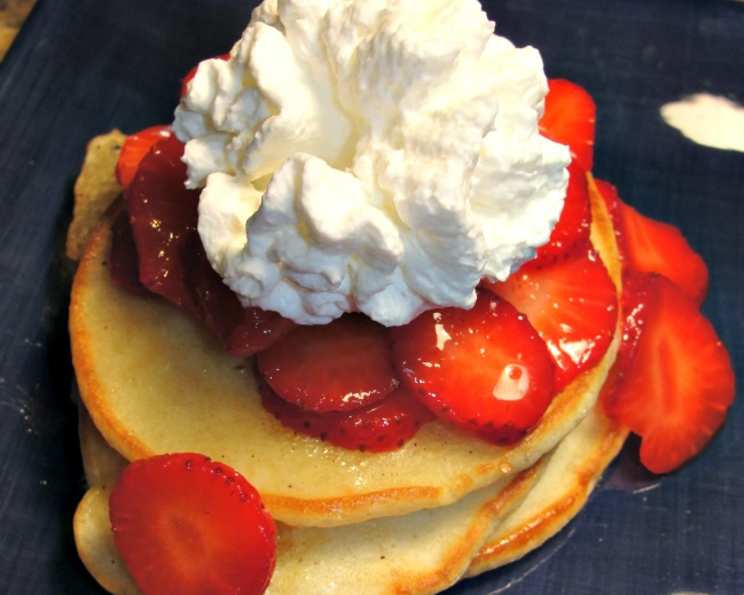
Scottish Pancakes (Pikelets): A Taste of Home
I remember visiting my Scottish grandmother every summer as a child. The scent of her kitchen was always intoxicating, a blend of warm butter, sugar, and something subtly sweet that I couldn’t quite place. It wasn’t until I was older that I realized that magical aroma was the unmistakable fragrance of pikelets sizzling on her well-loved griddle. These weren’t just pancakes; they were fluffy discs of pure comfort, served with a generous dollop of homemade raspberry jam and a knowing smile. Every bite transported me to her cozy kitchen, a place filled with love and the simple joys of life.
Recipe Overview
- Prep Time: 10 minutes
- Cook Time: 25 minutes
- Total Time: 35 minutes
- Yields: 10 pikelets
- Serves: 5
- Dietary Type: Vegetarian
Ingredients
- 1 cup self-rising flour
- ¼ cup sugar
- ¼ teaspoon baking soda
- 1 egg, lightly beaten
- ¾ cup milk
- 1 tablespoon butter, plus extra for greasing the pan
Equipment Needed
- Large bowl
- Whisk
- Skillet or griddle
- Measuring cups and spoons
- Spatula
Instructions
- In a large bowl, sift together the self-rising flour, sugar, and baking soda. This ensures that there are no lumps and that the dry ingredients are evenly distributed, resulting in a lighter, fluffier pikelet.
- Slowly add the egg and milk to the dry ingredients while stirring constantly. Continue stirring until the batter is smooth. Avoid overmixing, as this can develop the gluten in the flour, resulting in tougher pikelets. A few small lumps are perfectly fine.
- Place a skillet or griddle over medium heat. It’s crucial that the pan is properly heated before adding the batter. If the pan is too cool, the pikelets will spread and become flat. If it’s too hot, they’ll burn on the outside before cooking through.
- Lightly coat the hot skillet with butter. You can also use a neutral cooking oil spray if you prefer. Be sure to reapply butter or oil between batches to prevent sticking.
- Pour approximately 1/8 cup of batter onto the hot skillet for each pikelet. This size will create perfectly portioned pancakes, but you can adjust the amount slightly to suit your preference.
- Cook until bubbles begin to appear on the surface of the batter. This typically takes about 2-3 minutes. The bubbles are a sign that the pikelets are cooking through and are ready to be flipped.
- Flip the pikelets carefully with a spatula and continue to cook until lightly browned on the bottom. This should take another 1-2 minutes.
- Remove the cooked pikelets from the skillet and place them on a plate.
- Reapply butter to the skillet between batches and repeat steps 5-8 until all the batter is used.
- Serve immediately with your favorite toppings.
Expert Tips & Tricks
- For extra fluffy pikelets: Let the batter rest for 10-15 minutes before cooking. This allows the gluten to relax and the baking soda to activate, resulting in a lighter, airier texture.
- Achieving perfect browning: Don’t overcrowd the pan. Cooking in batches ensures that each pikelet has enough room to cook evenly and develop a beautiful golden-brown color.
- Adjusting sweetness: If you prefer a less sweet pikelet, reduce the amount of sugar to 2 tablespoons. You can also substitute brown sugar for white sugar for a richer, more complex flavor.
- Make-ahead tip: Prepare the batter the night before and store it in the refrigerator. The flavors will meld together, and the pikelets will be even better the next day. However, the baking soda’s effectiveness will diminish over time, so the rise might be slightly less pronounced.
- If your pikelets are burning too quickly: Reduce the heat slightly. Each stovetop is different, so you may need to adjust the heat to find the sweet spot.
- If your pikelets are sticking: Make sure the pan is properly preheated and generously greased. A well-seasoned cast-iron skillet is ideal for making pikelets.
Serving & Storage Suggestions
Scottish pikelets are best served warm, straight from the skillet. They are incredibly versatile and can be enjoyed with a variety of toppings. Traditional accompaniments include butter, jam (especially raspberry!), honey, and golden syrup. For a more substantial meal, try topping them with fresh fruit, whipped cream, or even a savory topping like smoked salmon and crème fraîche.
Leftover pikelets can be stored in an airtight container at room temperature for up to 2 days or in the refrigerator for up to 5 days. To reheat, simply toast them lightly or warm them in a skillet over low heat. You can also freeze pikelets for longer storage. Wrap them individually in plastic wrap and then place them in a freezer bag. Frozen pikelets can be reheated in the toaster or microwave.
Nutritional Information
| Nutrient | Amount per Serving | % Daily Value |
|---|---|---|
| Calories | 185 kcal | 9% |
| Calories from Fat | 43 kcal | – |
| Total Fat | 4.8 g | 7% |
| Saturated Fat | 2.6 g | 13% |
| Cholesterol | 48.4 mg | 16% |
| Sodium | 432.9 mg | 18% |
| Total Carbohydrate | 30.3 g | 10% |
| Dietary Fiber | 0.7 g | 2% |
| Sugars | 10.1 g | – |
| Protein | 5 g | 9% |
Variations & Substitutions
- Gluten-free: Substitute the self-rising flour with a gluten-free self-rising flour blend. You may need to add a little extra milk to achieve the desired batter consistency.
- Dairy-free: Use your favorite non-dairy milk, such as almond milk, soy milk, or oat milk, in place of the cow’s milk. You can also use a dairy-free butter substitute for greasing the pan.
- Vegan: Replace the egg with 1 tablespoon of applesauce or a flax egg (1 tablespoon ground flaxseed mixed with 3 tablespoons water).
- Spiced pikelets: Add a pinch of ground cinnamon, nutmeg, or ginger to the batter for a warm, comforting flavor.
- Fruity pikelets: Fold in some fresh or frozen berries, such as blueberries, raspberries, or strawberries, into the batter before cooking.
- Savory pikelets: Omit the sugar and add some grated cheese, chopped herbs, or cooked bacon to the batter for a savory twist.
FAQs (Frequently Asked Questions)
Q: Why are my pikelets flat and not fluffy?
A: This could be due to several reasons, including overmixing the batter, using old baking soda, or not letting the batter rest. Make sure to gently mix the batter, use fresh baking soda, and allow the batter to rest for at least 10 minutes before cooking.
Q: How can I tell when the pikelets are ready to flip?
A: The pikelets are ready to flip when bubbles start to appear on the surface of the batter and the edges begin to look set.
Q: Can I use a regular frying pan instead of a griddle?
A: Yes, you can definitely use a regular frying pan. Just make sure it’s non-stick and evenly heated.
Q: Can I freeze leftover pikelets?
A: Absolutely! Let them cool completely, then wrap them individually in plastic wrap and place them in a freezer bag. They can be stored in the freezer for up to 2 months.
Q: What are some good toppings for pikelets?
A: The possibilities are endless! Some classic options include butter, jam, honey, golden syrup, fresh fruit, whipped cream, and Nutella. For a savory twist, try topping them with smoked salmon and crème fraîche or avocado and a fried egg.
Final Thoughts
There’s something truly magical about a simple stack of Scottish pikelets. They’re a reminder of cozy kitchens, cherished family traditions, and the simple joys of life. I encourage you to give this recipe a try and experience the warmth and comfort of these delightful little pancakes for yourself. Don’t be afraid to experiment with different toppings and variations to create your own signature pikelet experience. And most importantly, share them with the people you love! Perhaps a cup of hot tea or coffee would be just the thing to accompany these delicious treats!