
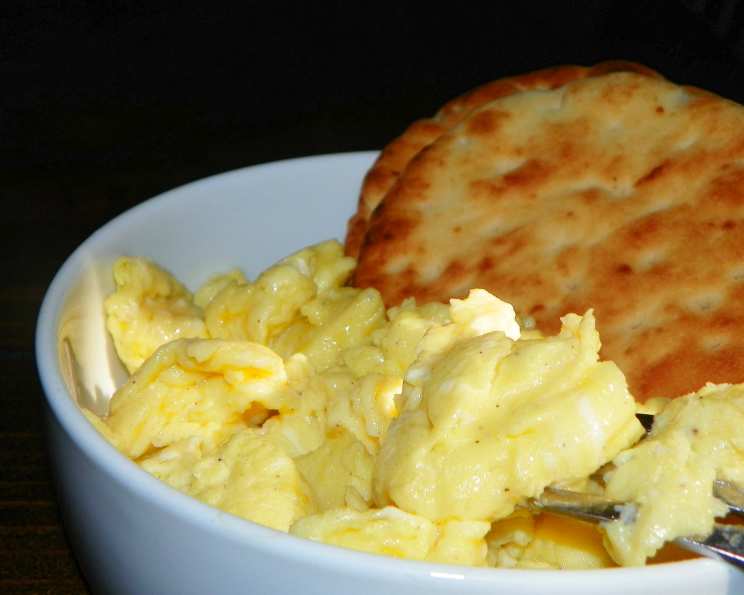
Silky Scrambled Eggs: A Coconut Oil Revelation
The clatter of pans and the sizzle of breakfast have been the soundtrack to countless mornings in my kitchen. But there’s one memory that stands out: my first attempt at scrambled eggs using coconut oil. I was skeptical, raised on butter and olive oil, but the aroma that filled the kitchen – a subtle sweetness mingling with the familiar egg scent – was intoxicating. The result? The silkiest, most flavorful scrambled eggs I had ever tasted. It was a game-changer, and coconut oil has been a staple in my breakfast routine ever since.
Recipe Overview
- Prep Time: 2 minutes
- Cook Time: 2 minutes
- Total Time: 4 minutes
- Servings: 3-6
- Yield: Variable, depending on desired portion size
- Dietary Type: Dairy-Free (can be made Paleo/Whole30 compliant by omitting milk)
Ingredients
- 6 large eggs
- 6 teaspoons milk (1 teaspoon for each egg; unsweetened non-dairy milk can be substituted)
- 3 dashes salt (1 dash for every two eggs)
- Cracked black pepper, to taste
- 1 tablespoon culinary coconut oil, for frying
- Optional Garnish: Fresh chives, chive blossoms, corn tortillas
Equipment Needed
- Large non-stick frying pan
- Glass measuring bowl
- Whisk or wooden spoon
Instructions
-
Begin by placing a large non-stick frying pan on the stovetop. Set the burner to a heat level just above medium. It’s important to find the sweet spot – too low, and the eggs will take forever to cook; too high, and they’ll become rubbery.
-
While the pan is heating, prepare the egg mixture. In a glass measuring bowl, whisk together the 6 large eggs with the 6 teaspoons of milk. Adding milk (or a non-dairy alternative) helps to create a lighter, fluffier texture.
-
Season the egg mixture with 3 dashes of salt and a generous grinding of cracked black pepper. Remember, salt enhances the flavor, so don’t be shy, but also be mindful not to overdo it.
-
Now for the star of the show: coconut oil. Add 1 tablespoon of culinary coconut oil to the heated frying pan. Let the oil melt completely. Watch carefully; the oil is ready when it’s melted and clear.
-
As soon as the coconut oil is melted and shimmering in the pan, pour in the prepared egg mixture. The pan should be hot enough that the eggs begin to sizzle gently upon contact.
-
Using a wooden spoon or a whisk, gently stir the eggs in the pan. The key here is to distribute all the runny parts of the egg so they scramble and cook evenly. Avoid aggressive stirring, as this can lead to smaller, tougher curds.
-
Continue to stir gently until the eggs are mostly set but still slightly moist. On my gas stovetop, this process takes less than 1 minute. Cooking time can vary depending on your stove and pan, so keep a close eye on the eggs.
-
Remove the pan from the heat just before the eggs reach your desired level of doneness. They will continue to cook from the residual heat. Overcooked scrambled eggs are dry and rubbery, so err on the side of slightly undercooked.
-
Transfer the scrambled eggs to a serving plate immediately to prevent further cooking in the hot pan.
-
Garnish your scrambled eggs with a sprinkle of extra salt, cracked black pepper, and freshly chopped chives from your garden, if available. Chive blossom petals add a touch of color and elegance.
-
Serve alongside warm corn tortillas for a complete and satisfying breakfast.
Expert Tips & Tricks
- Don’t overcrowd the pan: If you’re making a large batch of scrambled eggs, cook them in batches to ensure even cooking.
- Low and slow is the way to go: While you want the pan hot enough to cook the eggs, avoid high heat, which can lead to rubbery, dry eggs.
- Adjust the milk: For richer, creamier scrambled eggs, use cream instead of milk. For a lighter version, use water or broth.
- Add some spice: A pinch of red pepper flakes or a dash of hot sauce can add a kick to your scrambled eggs.
- Flavor infusions: While the coconut oil is melting, infuse it with garlic, herbs, or spices for added flavor. Remove any solids before adding the eggs to avoid burning.
Serving & Storage Suggestions
Serve these scrambled eggs immediately for the best flavor and texture. They are delicious on their own or served with various accompaniments, such as toast, bacon, sausage, avocado, salsa, or your favorite hot sauce.
Leftover scrambled eggs can be stored in an airtight container in the refrigerator for up to 3 days. Reheat gently in a microwave or a pan over low heat. Be aware that reheated scrambled eggs may be slightly drier than freshly cooked eggs. Freezing is not recommended, as it can significantly alter the texture of the eggs.
Nutritional Information
| Nutrient | Amount per Serving | % Daily Value |
|---|---|---|
| Calories | 188.6 kcal | N/A |
| Calories from Fat | 129 g | 69% |
| Total Fat | 14.4 g | 22% |
| Saturated Fat | 7.3 g | 36% |
| Cholesterol | 373.4 mg | 124% |
| Sodium | 302 mg | 12% |
| Total Carbohydrate | 1.2 g | 0% |
| Dietary Fiber | 0 g | 0% |
| Sugars | 0.4 g | 1% |
| Protein | 12.9 g | 25% |
Note: Nutritional information is an estimate and may vary depending on specific ingredients and portion sizes.
Variations & Substitutions
- Spice it Up: Add a pinch of cayenne pepper or a dash of your favorite hot sauce to the egg mixture for a spicy kick.
- Cheesy Goodness: Stir in a handful of shredded cheese (cheddar, mozzarella, or your favorite) just before the eggs are fully cooked.
- Veggie Delight: Sauté some chopped vegetables (onions, peppers, mushrooms, spinach) in the coconut oil before adding the eggs for a hearty and nutritious breakfast.
- Herby Freshness: Add fresh herbs like dill, parsley, or basil to the egg mixture for a burst of flavor.
- Non-Dairy Delight: Substitute the milk with unsweetened almond milk, coconut milk, or soy milk for a dairy-free option.
- Paleo/Whole30: Omit the milk entirely for a Paleo/Whole30 compliant version.
FAQs (Frequently Asked Questions)
Q: Why use coconut oil for scrambled eggs?
A: Coconut oil adds a subtle sweetness and richness to the eggs, and it’s a healthier alternative to butter or vegetable oil.
Q: Can I use refined coconut oil instead of unrefined?
A: Yes, refined coconut oil has a neutral flavor, so it won’t impart any coconut taste to the eggs.
Q: How do I prevent my scrambled eggs from becoming dry and rubbery?
A: Cook the eggs over low heat and remove them from the heat while they are still slightly moist.
Q: Can I add other ingredients to my scrambled eggs?
A: Absolutely! Cheese, vegetables, herbs, and spices can all be added to scrambled eggs.
Q: How long can I store leftover scrambled eggs in the refrigerator?
A: Leftover scrambled eggs can be stored in an airtight container in the refrigerator for up to 3 days.
Final Thoughts
These coconut oil scrambled eggs are more than just a simple breakfast dish; they’re a culinary experience. The subtle sweetness of the coconut oil, combined with the creamy texture of the eggs, creates a flavor that is both comforting and exciting. I encourage you to try this recipe and discover the magic of coconut oil in your scrambled eggs. Don’t be afraid to experiment with different variations and toppings to create your own signature dish. Share your creations and feedback with me – I’d love to hear what you come up with! Perhaps pair them with a steaming cup of coffee or a refreshing glass of orange juice for the perfect start to your day.