
The Ultimate Seafood Boil: Crab, Shrimp, and Lobster Feast
The memory is etched in my mind like a perfectly seared scallop: the vibrant red of the lobsters, the earthy brown of the crabs, steam rising in fragrant clouds, and the joyful shouts of friends gathered around a newspaper-covered table laden with seafood. It was a summer night, thick with anticipation and the salty tang of the ocean, and the seafood boil we shared remains one of my fondest culinary memories. The simple act of cracking shells and sharing stories created a bond as strong as any carefully crafted sauce.
Recipe Overview
- Prep Time: 30 minutes
- Cook Time: 30 minutes
- Total Time: 1 hour
- Servings: 20-24
- Yield: One massive, glorious seafood boil
- Dietary Type: Pescatarian
Ingredients
- 8 quarts water
- 1 (12 ounce) can beer
- 1 teaspoon hot pepper sauce (to taste)
- 1 head elephant garlic, smashed
- 4 lemons, halved
- 4 fresh bay leaves or 4 dried bay leaves
- 4 onions, quartered
- 6 ounces Old Bay Seasoning
- 1/4 cup salt
- 2 lbs kielbasa, sliced
- 1 lb andouille sausage
- 9 ears fresh corn, cleaned & broken into 2 (1/2 halved or 1/4 if large)
- 3 lbs small potatoes (1/2 halved or 1/4 if large)
- 12 live crabs
- 2 dungeness crabs
- 5 lbs large shrimp
- 6 lobsters
- 2 dozen littleneck clams
Equipment Needed
- Very large outdoor boiler/fryer or a very large stockpot
- Large pot or bowl for straining
- Plastic tablecloths and brown paper for covering the table
- Bibs or aprons
- Nutcrackers, hammers, small mallets, nut picks
- Paper towels
- Large foil pan or trash can for discarding shells
Instructions
-
In a very large outdoor boiler/fryer (the ideal choice for even heating and large capacity) or a very large stockpot (if cooking indoors), combine the first 9 ingredients: 8 quarts water, 1 (12 ounce) can beer, 1 teaspoon hot pepper sauce (adjust to your spice preference), 1 head smashed elephant garlic, 4 halved lemons, 4 fresh or dried bay leaves, 4 quartered onions, 6 ounces Old Bay Seasoning, and 1/4 cup salt. Use approximately half the water initially, reserving the rest to add as needed to ensure the food is completely submerged with an extra 2-4 inches of liquid covering it.
-
Bring the mixture to a boil over high heat. Once boiling, reduce the heat to medium-high. Add the sliced kielbasa and andouille sausage. Cook for 3 minutes.
-
Add the halved or quartered small potatoes and continue cooking for 8 minutes. The potatoes need a little extra time to become tender.
-
Add the corn, broken into halves or quarters depending on size, along with the Dungeness crabs. Cook for another 4 minutes.
-
Add the remaining live crabs and cook for 7 minutes. It’s crucial to ensure there is enough water to fully submerge the crabs during this stage.
-
Using a large pot or bowl, carefully strain the cooked seafood and vegetables. Set aside and cover to keep warm. This step allows you to maintain the broth’s integrity for the next components.
-
If needed, add more beer or water to the cooking liquid to maintain the volume.
-
Add the lobsters to the pot and cook for 5 minutes. Lobster can become rubbery if overcooked, so keep a close eye on the timing.
-
Add the littleneck clams and cook for just 1 minute, followed by the large shrimp for 3-4 minutes. Toss everything together to ensure even cooking. The clams should open during this process; discard any that remain closed. The shrimp is done when they turn pink and opaque.
-
Carefully drain the entire seafood boil and immediately dump it onto a table covered with plastic tablecloths and a layer of brown paper.
-
Serve immediately with melted butter, extra lemon wedges, salt, and cocktail sauce on the side. Now comes the fun part – digging in!
Cooking Tips:
- Don’t be afraid to adjust the seasoning! Taste the broth as it cooks and add more Old Bay, hot sauce, or salt as needed to achieve your desired flavor profile.
- If using an indoor stockpot, work in batches to avoid overcrowding, which can lower the temperature and result in unevenly cooked seafood.
- Make sure your seafood is fresh! This is especially important for the crabs, lobsters, and clams. They should be lively before cooking.
- Consider adding other vegetables like bell peppers or celery to the boil for extra flavor and nutrients.
- For easier cleanup, line your large pot or boiler with a disposable cooking bag designed for seafood boils.
- Adjust cooking times depending on the size of your seafood. Smaller crabs and shrimp will cook faster than larger ones.
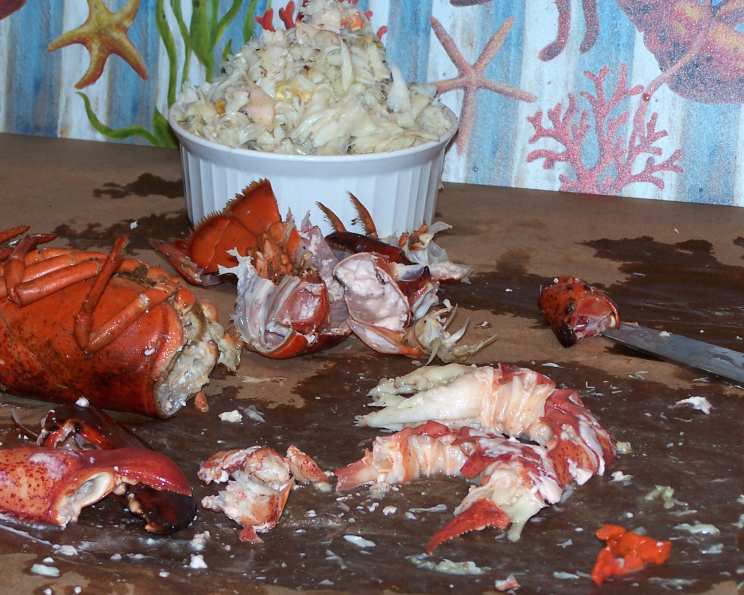
How to Open and Eat Your Seafood Boil Treasures:
Lobster:
- Break off the large claws.
- Separate the tail from the body.
- Detach the body from the shell, leaving the “lady” (stomach) on the shell.
- Set aside the green fat (tomalley) and coral (roe) – these are considered delicacies by some.
- Remove the small claws.
- Remove the woolly gills from the body.
- Break the body in half and pick out the meat from the joints.
- Using very sharp scissors, cut through the length of the underside of the tail.
- Draw the meat from the shell – yum!
- Draw back the flesh on the upper end and pull off the intestinal cord.
- Crack the edges of the large claws and remove the succulent meat.
Crab:
- Twist off the legs and claws.
- Using a mallet or nutcracker, have fun extracting the meat with forks or picks.
- Pry off the crab’s “apron” (the small flap on the underside) and discard it.
- With the crab upside down, press down on one side of the top shell and pull up on the center and leg sections with the other hand until they come apart. Discard the top shell.
- Also, discard the intestine, which runs down the center of the back.
- Remove the gills (which are NOT EDIBLE) from each side and discard them.
- The greenish yellow “mustard” (the crustacean’s equivalent of a liver) can be eaten by some, but many discard it.
- The “crab butter” (the yellow, mushy stuff in the cavity) is considered a delicacy, and there are recipes that call for it. Set it aside if you like; if not, discard it.
- Snap the crab body in half.
- The edges where the two halves have broken open are where you’ll find the biggest chunks of crabmeat. Pull it out with your fingers. As you dig deeper into the body closer to the leg openings, a knife or pick will come in handy. Smaller cavities here should not be overlooked.
- To crack claws, either use a mallet or a nutcracker. Be careful of flying bits of shell and juice.
Important Post-Feast Tips:
- Before you roll up the mess in the paper, carefully check that no utensils or, even worse, a stray uneaten claw gets thrown away by accident.
- Be sure to put the garbage bags in tightly sealed cans to keep animals out.
- Even if you wash your hands thoroughly with soap, the smell of crabs and Old Bay may linger for a day. Rubbing lemon juice mixed with baking soda on your hands will remove this odor.
Expert Tips & Tricks
- Pre-soak potatoes: Soaking the potatoes in cold water for about 30 minutes before adding them to the boil helps remove excess starch, resulting in a creamier texture.
- Spice it up: For extra heat, add a few sliced jalapenos or a dash of cayenne pepper to the boil.
- Don’t overcook the seafood: Overcooked seafood is tough and rubbery. Use a timer and check the doneness frequently. The shrimp should be pink and opaque, the lobster should be firm to the touch, and the clams should be open.
- Add some sweetness: A touch of brown sugar or honey can balance out the spiciness of the Old Bay seasoning.
- Make a dipping sauce: Instead of just melted butter and cocktail sauce, consider making a homemade remoulade or a garlic aioli for dipping.
Serving & Storage Suggestions
Serve the seafood boil immediately after cooking. The best presentation is to dump the whole lot onto a paper-covered table and let everyone dig in.
Leftovers can be stored in an airtight container in the refrigerator for up to 2 days. To reheat, steam the seafood and vegetables until heated through. Be careful not to overcook them during reheating, as they can become tough. Freezing is not recommended as it can negatively affect the texture of the seafood.
Nutritional Information
| Nutrient | Amount per Serving | % Daily Value |
|---|---|---|
| Calories | 430.3 kcal | N/A |
| Calories from Fat | 189 g | 44% |
| Total Fat | 21.1 g | 32% |
| Saturated Fat | 6.8 g | 33% |
| Cholesterol | 267.9 mg | 89% |
| Sodium | 3147.3 mg | 131% |
| Total Carbohydrate | 16 g | 5% |
| Dietary Fiber | 1.9 g | 7% |
| Sugars | 3.5 g | N/A |
| Protein | 42.3 g | 84% |
Note: Nutritional information is an estimate and may vary based on specific ingredients and portion sizes.
Variations & Substitutions
- Crawfish Boil: Substitute some of the crab and shrimp with crawfish for a Cajun twist.
- Mussels: Add mussels to the boil for extra flavor and variety.
- Vegetarian Option: Create a separate vegetarian boil with extra corn, potatoes, and other vegetables like artichokes and mushrooms. Use vegetable broth instead of water and beer.
- Spicy Seafood Boil: Increase the amount of hot pepper sauce or add some cayenne pepper for a spicier kick.
- Lemon Herb Seafood Boil: Add more lemon and fresh herbs like thyme and rosemary to create a brighter, more aromatic boil.
FAQs (Frequently Asked Questions)
Q: Can I use frozen seafood in this boil?
A: While fresh seafood is always preferred for optimal flavor and texture, you can use frozen seafood in a pinch. Make sure to thaw it completely before adding it to the boil and adjust cooking times accordingly.
Q: How do I know when the lobster is done?
A: The lobster is done when its shell turns bright red and the meat is firm to the touch. Use a meat thermometer to check the internal temperature; it should be around 140°F.
Q: Can I make this in a smaller pot?
A: Yes, but you will need to reduce the quantities of all ingredients proportionally. Also, cook the seafood in batches to avoid overcrowding the pot.
Q: What if my clams don’t open during cooking?
A: Any clams that do not open during cooking should be discarded. They are likely dead and not safe to eat.
Q: How can I reduce the sodium content of this dish?
A: Use low-sodium Old Bay seasoning, reduce the amount of salt added, and rinse the seafood before cooking to remove excess salt.
Final Thoughts
A seafood boil is more than just a meal; it’s an experience. It’s about gathering with friends and family, sharing laughter and stories, and enjoying the bounty of the sea. Don’t be intimidated by the process; embrace the mess, experiment with flavors, and create your own unforgettable seafood boil tradition. So, grab your bib, gather your loved ones, and dive into this delicious and communal feast! I encourage you to try this recipe and share your own variations and feedback. Pair it with a crisp white wine or a cold beer for the ultimate culinary experience.