
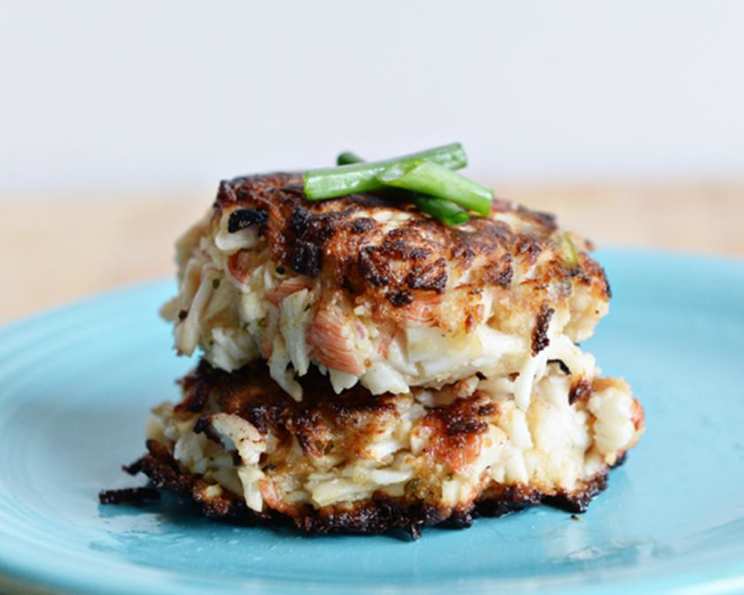
Seared Maryland Crab Cakes: A Taste of the Chesapeake
Maryland crab cakes have always been more than just a dish to me; they’re a sensory memory. I can still picture my grandmother’s weathered hands delicately folding sweet crabmeat with just the right amount of binder, the aroma of Old Bay seasoning permeating her sunny kitchen, and the satisfying sizzle as the cakes browned in her well-seasoned cast iron pan. Each bite was a briny kiss of the sea, a comforting taste of home, and a reminder of the love she poured into every meal.
Recipe Overview
- Prep Time: 20 minutes
- Cook Time: 8-10 minutes
- Total Time: 30 minutes
- Servings: 4
- Yield: 4 crab cakes
- Dietary Type: Pescatarian
Ingredients
- 2 slices white bread, crust removed
- ¼ cup milk
- 1 lb crabmeat, flaked
- 3 green onions, chopped
- ¼ cup mayonnaise
- 1 teaspoon Worcestershire sauce
- 1 teaspoon dry mustard
- ½ lemon, juice of
- Salt, to taste
- Peanut oil, for cooking
Equipment Needed
- Mixing bowls
- Measuring cups and spoons
- Fork or spatula
- Skillet or frying pan
- Paper towels
Instructions
- Begin by preparing the bread. Place the white bread slices in a medium-sized mixing bowl.
- Pour the milk over the bread, ensuring both slices are well soaked. Let the bread stand for about 5 minutes, allowing it to fully absorb the liquid. This step is crucial for creating a moist and tender crab cake.
- After 5 minutes, gently squeeze out any excess milk from the bread. You want the bread to be moist but not soggy. Place the squeezed bread in a clean mixing bowl.
- Add the remaining ingredients to the bowl with the bread: the flaked crabmeat, chopped green onions, mayonnaise, Worcestershire sauce, dry mustard, and the juice of ½ a lemon.
- Season with salt to taste. Be mindful of the salt content, as crabmeat can sometimes be naturally salty.
- Using your hands or a fork, gently mix all the ingredients together until just combined. Be careful not to overmix, as this can result in tough crab cakes. The goal is to lightly bind the ingredients while preserving the delicate texture of the crabmeat.
- Cover the bowl with plastic wrap and refrigerate the crab cake mixture for at least 2 hours. This chilling period allows the flavors to meld together and helps the crab cakes hold their shape during cooking.
- After the chilling period, remove the crab cake mixture from the refrigerator.
- Shape the mixture into thick, round patties, about ½ inch thick. Aim for consistent size and shape to ensure even cooking. Gently compress each patty so it holds its shape, but avoid packing it too tightly.
- Heat a generous amount of peanut oil in a large skillet or frying pan over medium heat. The oil should be hot enough to sizzle gently when a small piece of bread is dropped into it.
- Carefully place the crab cakes in the hot oil, ensuring not to overcrowd the pan. Overcrowding can lower the oil temperature and result in greasy crab cakes. Work in batches if necessary.
- Cook the crab cakes over medium heat for about 4 to 5 minutes per side, or until they are nicely browned and heated through. Keep a close watch on them, adjusting the heat as needed to prevent burning.
- Once the crab cakes are golden brown and cooked through, remove them from the pan and place them on a plate lined with paper towels to drain any excess oil.
- Let the crab cakes rest on the paper towels for about 1 minute to absorb the excess oil. This step helps ensure a crispier texture.
- Serve immediately with fresh lemon wedges.
Expert Tips & Tricks
- Crabmeat Quality: The star of this dish is the crabmeat, so use the best quality you can find. Fresh, jumbo lump crabmeat is ideal for its sweet flavor and beautiful presentation. Claw meat is a more economical option, but be sure to pick through it carefully to remove any shell fragments.
- Binder Control: The bread and mayonnaise act as binders, holding the crab cakes together. Be careful not to add too much binder, as this can make the crab cakes dense and less flavorful. The goal is to use just enough to bind the ingredients without masking the delicate crab flavor.
- Gentle Mixing: Overmixing the crab cake mixture will result in tough crab cakes. Gently fold the ingredients together until just combined. Avoid using a mixer, as this will quickly overwork the mixture.
- Chill Time: Don’t skip the chilling step! Chilling the crab cake mixture allows the flavors to meld together and helps the crab cakes hold their shape during cooking.
- Hot Oil, Medium Heat: Cooking the crab cakes in hot oil over medium heat ensures they brown beautifully without burning. Adjust the heat as needed to maintain a consistent temperature.
- Make-Ahead Prep: The crab cake mixture can be prepared ahead of time and stored in the refrigerator for up to 24 hours. This is a great time-saver when entertaining. Simply shape the crab cakes and cook them just before serving.
Serving & Storage Suggestions
Serve the seared Maryland crab cakes hot, garnished with fresh lemon wedges. They are delicious on their own or as part of a larger meal. Consider serving them with a side salad, coleslaw, or roasted vegetables. For a classic Maryland experience, pair them with a creamy tartar sauce or a tangy remoulade.
Leftover crab cakes can be stored in an airtight container in the refrigerator for up to 2 days. To reheat, gently pan-fry them over medium heat until warmed through. Avoid microwaving, as this can make them rubbery.
Crab cakes are best enjoyed fresh, but they can be frozen for longer storage. Wrap each crab cake individually in plastic wrap and then place them in a freezer-safe bag or container. They can be stored in the freezer for up to 2 months. Thaw them overnight in the refrigerator before reheating.
Nutritional Information
| Nutrient | Amount per Serving | % Daily Value |
|---|---|---|
| Calories | 204 kcal | N/A |
| Calories from Fat | 60 g | 30% |
| Total Fat | 6.8 g | 10% |
| Saturated Fat | 1.3 g | 6% |
| Cholesterol | 53.5 mg | 17% |
| Sodium | 1139 mg | 47% |
| Total Carbohydrate | 12.2 g | 4% |
| Dietary Fiber | 0.7 g | 2% |
| Sugars | 2.1 g | 8% |
| Protein | 22.7 g | 45% |
Variations & Substitutions
- Gluten-Free: Use gluten-free breadcrumbs or almond flour instead of white bread. Ensure all other ingredients are also gluten-free.
- Spicy Crab Cakes: Add a pinch of cayenne pepper or a dash of hot sauce to the crab cake mixture for a spicy kick.
- Herbaceous: Mix in some chopped fresh herbs, such as parsley, dill, or chives, for added flavor and aroma.
- Different Crab Meat: While jumbo lump is the most luxurious, backfin or claw meat offers a more affordable alternative without sacrificing too much flavor.
- Vegetarian “Crab” Cakes: Substitute the crab meat with hearts of palm, finely shredded and seasoned with Old Bay seasoning and a touch of seaweed flakes for a briny flavor.
FAQs (Frequently Asked Questions)
Q: Can I use imitation crab meat for this recipe?
A: While you can use imitation crab meat, it won’t deliver the same delicate flavor and texture as real crabmeat. For the best results, stick with the real deal.
Q: How do I prevent the crab cakes from falling apart?
A: Make sure to chill the crab cake mixture for at least 2 hours before shaping and cooking. This helps the ingredients bind together and prevents the crab cakes from falling apart. Gentle handling during shaping and cooking is also key.
Q: Can I bake the crab cakes instead of pan-frying them?
A: Yes, you can bake the crab cakes. Preheat your oven to 375°F (190°C). Place the shaped crab cakes on a baking sheet lined with parchment paper and bake for 15-20 minutes, or until golden brown and heated through.
Q: What’s the best way to tell if the crab cakes are cooked through?
A: The crab cakes are cooked through when they are golden brown on both sides and the internal temperature reaches 165°F (74°C).
Q: Can I freeze uncooked crab cakes?
A: Yes, you can freeze uncooked crab cakes. Shape them, place them on a baking sheet lined with parchment paper, and freeze until solid. Once frozen, transfer them to a freezer-safe bag or container. Thaw them overnight in the refrigerator before cooking.
Final Thoughts
There’s a simple elegance to these seared Maryland crab cakes that speaks volumes. From the sweet, delicate crabmeat to the subtle seasoning, every element works in harmony to create a truly unforgettable dish. I encourage you to try this recipe and experience the taste of Maryland for yourself. Don’t be afraid to experiment with variations and make it your own. And most importantly, share it with loved ones – good food is always best enjoyed in good company. Consider pairing these crab cakes with a crisp Sauvignon Blanc or a light, refreshing wheat beer for the perfect culinary experience. Enjoy!