
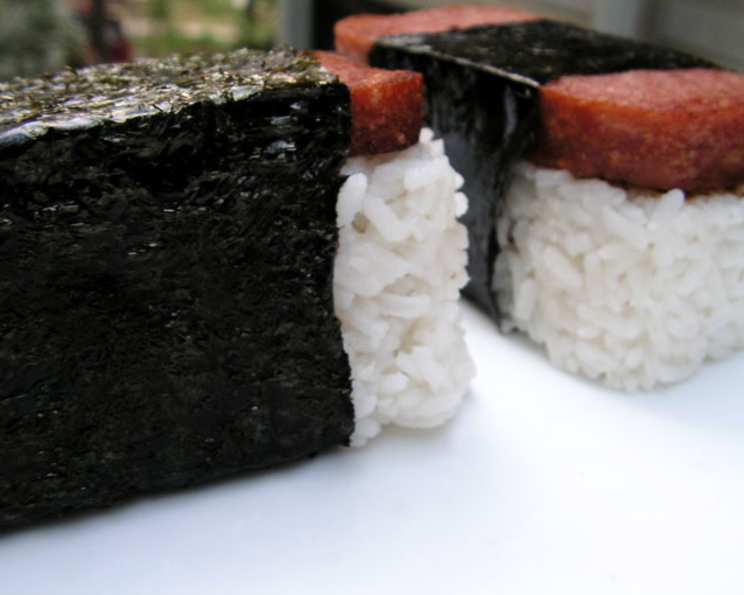
Seared Spam Musubi: A Taste of Aloha at Home
The first time I had Spam musubi, I was a wide-eyed kid visiting my auntie in Oahu. We’d just come from the beach, sun-kissed and salty-haired, and she pulled out a container of these little brick-shaped wonders. The savory, slightly sweet glaze on the Spam, the perfectly sticky rice, and the satisfying crackle of the nori seaweed—it was a symphony of textures and flavors I’d never experienced before. It wasn’t just food; it was an edible embodiment of the aloha spirit, warm, comforting, and utterly unforgettable. Since then, I’ve been chasing that perfect musubi, and this seared Spam version comes pretty darn close.
Recipe Overview
- Prep Time: 15 minutes
- Cook Time: 30 minutes
- Total Time: 45 minutes
- Servings: 8
- Yield: 8 musubi
- Dietary Type: Not Gluten-Free
Ingredients
- 1 can Spam
- 3 cups sweet rice (also known as sushi rice or glutinous rice)
- 3 1/2 cups water
- 1 cup rice vinegar
- 1-2 sheets fresh seaweed (nori), cut into strips
For the Sauce:
- 1/2 cup soy sauce
- 1/4 cup honey
- 2 tablespoons vinegar (rice vinegar preferred)
Equipment Needed
- Rice cooker (optional, but recommended)
- Large skillet
- Spam can (cleaned and empty) or musubi maker
- Sharp knife
- Cutting board
Instructions
-
Prepare the Rice: Begin by thoroughly rinsing the sweet rice under cold water until the water runs clear. This removes excess starch and prevents the rice from becoming overly sticky and gummy. Add the rinsed rice to a rice cooker along with 3 1/2 cups of water. Cook according to your rice cooker’s instructions. If you don’t have a rice cooker, you can cook the rice on the stovetop. Bring the water and rice to a boil in a pot, then reduce the heat to low, cover, and simmer for about 20 minutes, or until all the water is absorbed. Let the rice steam for 10 minutes after cooking.
-
Season the Rice: While the rice is still warm, transfer it to a large bowl. Gently fold in the rice vinegar until evenly distributed. Be careful not to crush the rice. This step is crucial for that classic musubi flavor and texture.
-
Slice the Spam: Carefully remove the Spam from the can and slice it lengthwise into 8 even slices. Aim for a thickness of about 1/4 inch.
-
Sear the Spam: Heat a large skillet over medium heat. Place the Spam slices in the skillet and sear them until they are nicely browned on both sides. This step adds a wonderful crispy texture and enhances the savory flavor of the Spam.
-
Prepare the Sauce: While the Spam is searing, prepare the sauce. In a small bowl, whisk together the soy sauce, honey, and vinegar until the honey is fully dissolved.
-
Glaze the Spam: Once the Spam is browned, reduce the heat to low. Pour the sauce mixture over the Spam slices, ensuring that each slice is coated evenly. Let the Spam simmer in the sauce for a few minutes, allowing it to absorb the flavors. Flip the slices occasionally to ensure even glazing.
-
Assemble the Musubi: Remove the glazed Spam from the skillet and set aside. Now, it’s time to assemble the musubi. If you have a musubi maker, lightly wet the inside to prevent sticking. If you’re using the Spam can, ensure it is clean and dry. Place a strip of seaweed (nori) on a flat surface. Place the musubi maker or Spam can on top of the nori.
-
Layer the Rice: Spoon a layer of the seasoned rice into the musubi maker or Spam can, pressing it down firmly and evenly. You want a compact layer of rice that holds its shape.
-
Add the Spam: Place a slice of the glazed Spam on top of the rice layer.
-
Top with Rice: Add another layer of the seasoned rice on top of the Spam, pressing it down firmly.
-
Shape and Roll: If using a musubi maker, press the plunger to shape the musubi, then lift the maker. If using a Spam can, press down firmly on the rice, then carefully flip the can over and gently tap the bottom to release the musubi.
-
Wrap with Nori: Wrap the strip of seaweed around the musubi, securing it with a small dab of water if needed. The nori should adhere to the rice, creating a neat and tidy package.
-
Repeat: Repeat steps 7-12 with the remaining rice, Spam, and nori until all the musubi are assembled.
-
Serve and Enjoy: Slice each musubi in half (optional) and serve immediately. The seared Spam musubi is best enjoyed fresh, but leftovers can be stored for later.
Expert Tips & Tricks
- Rice Perfection: The key to great musubi is perfectly cooked rice. Ensure your rice is slightly sticky but not mushy.
- Even Slicing: For uniform musubi, try chilling the Spam slightly before slicing. It will be easier to cut into even pieces.
- Glazing Consistency: Don’t overcook the Spam in the sauce, or it will become too soft. You want a nice glaze, not mush.
- Nori Stickiness: If your nori isn’t sticking well, lightly moisten it with a damp paper towel before wrapping.
- Pressing Power: Press the rice firmly into the musubi maker or can. This will help the musubi hold its shape and prevent it from falling apart.
Serving & Storage Suggestions
Serve your seared Spam musubi warm or at room temperature. They make a fantastic snack, lunch, or party appetizer. For a complete meal, pair them with a side of miso soup or a refreshing cucumber salad.
Leftover musubi can be stored in an airtight container in the refrigerator for up to 2 days. Reheat gently in the microwave or enjoy cold. They are not ideal for freezing as the rice texture can change. At room temperature, they should be consumed within 2-3 hours due to the rice content.
Nutritional Information
| Nutrient | Amount per Serving | % Daily Value |
|---|---|---|
| Calories | 389 kcal | N/A |
| Calories from Fat | 107 g | 28% |
| Total Fat | 12 g | 18% |
| Saturated Fat | 4.3 g | 21% |
| Cholesterol | 29.8 mg | 9% |
| Sodium | 589.9 mg | 24% |
| Total Carbohydrate | 58 g | 19% |
| Dietary Fiber | 1.9 g | 7% |
| Sugars | 0 g | 0% |
| Protein | 10.3 g | 20% |
Variations & Substitutions
- Spicy Musubi: Add a dash of chili garlic sauce to the sauce for a kick.
- Furikake Musubi: Sprinkle furikake (Japanese rice seasoning) on the rice layers for added flavor and texture.
- Vegetarian Musubi: Substitute the Spam with teriyaki-glazed tofu or grilled mushrooms.
- Kimchi Musubi: Add a layer of kimchi between the rice and Spam for a flavorful twist.
- Brown Rice Musubi: Use brown rice instead of sweet rice for a healthier option.
FAQs (Frequently Asked Questions)
Q: Why is it important to rinse the rice before cooking?
A: Rinsing the rice removes excess starch, preventing it from becoming too sticky and gummy during cooking, resulting in a better texture.
Q: Can I use regular rice instead of sweet rice?
A: While you can, sweet rice (sushi rice) is recommended for its slightly sticky texture, which helps the musubi hold its shape better.
Q: How do I prevent the rice from sticking to the musubi maker or Spam can?
A: Lightly wetting the inside of the musubi maker or can before adding the rice helps prevent sticking.
Q: Can I make these ahead of time?
A: Yes, you can assemble the musubi a few hours in advance and store them in the refrigerator. However, they are best enjoyed fresh.
Q: What’s the best way to reheat leftover musubi?
A: Gently reheat them in the microwave for a short time, or enjoy them cold. Avoid overheating as the rice can become dry.
Final Thoughts
Seared Spam musubi is more than just a snack; it’s a taste of Hawaii that you can create in your own kitchen. Don’t be intimidated by the process. With a few simple ingredients and steps, you can transport yourself to the sun-kissed shores of the islands. So, grab your ingredients, put on some Hawaiian music, and get ready to experience the magic of musubi. I encourage you to try this recipe, share your creations, and let me know what you think. Aloha!