
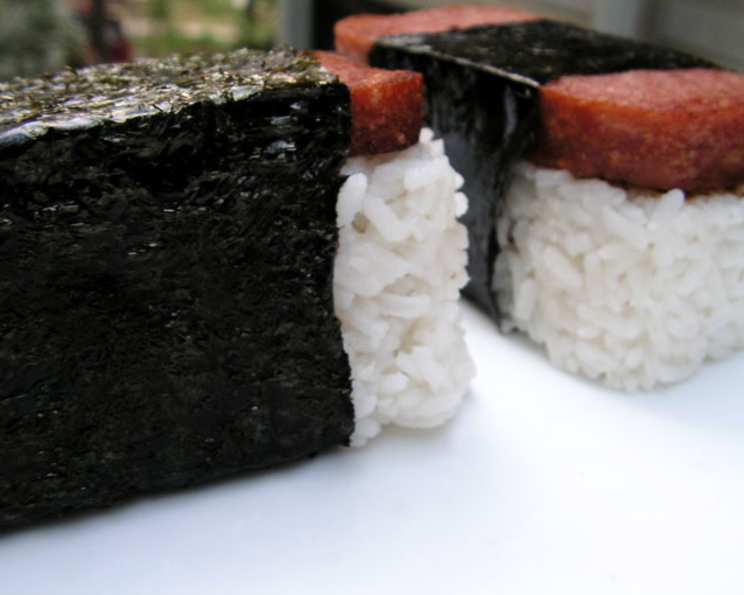
Seared Spam Musubi: A Taste of Aloha in Your Kitchen
The scent of sizzling Spam always takes me back to my college days in Honolulu. Late-night study sessions fueled by countless Spam musubi, hastily assembled from the campus convenience store, were a regular occurrence. It wasn’t just a cheap and easy meal; it was a comforting taste of island life, a reminder of the warm breezes and friendly faces I had grown to love. While the Spam musubi I ate back then were simple, this recipe elevates the classic with a quick sear and a savory-sweet sauce, adding depth and complexity to every bite.
Recipe Overview
- Prep Time: 15 minutes
- Cook Time: 30 minutes
- Total Time: 45 minutes
- Servings: 8
- Yield: 8 musubi
- Dietary Type: None Specified
Ingredients
- 1 can Spam
- 3 cups sweet rice
- 3 1/2 cups water
- 1 cup rice vinegar
- 1-2 sheets fresh seaweed (nori)
For Sauce:
- 1/2 cup soy sauce
- 1/4 cup honey
- 2 tablespoons vinegar
Equipment Needed
- Rice Cooker (optional, but recommended)
- Frying Pan
- Spam Can (or musubi mold)
- Cutting Board
- Sharp Knife
Instructions
- Prepare the Rice: Rinse the sweet rice thoroughly under cold water until the water runs clear. This removes excess starch and prevents the rice from becoming gummy. In a rice cooker, combine the rinsed rice with 3 1/2 cups of water. Cook according to your rice cooker’s instructions. Alternatively, you can cook the rice on the stovetop: bring the water and rice to a boil in a pot, then reduce the heat to low, cover, and simmer for 20 minutes, or until all the water is absorbed. Let the rice rest, covered, for 10 minutes after cooking.
- Season the Rice: While the rice is resting, gently fluff it with a rice paddle or fork. In a small bowl, whisk together the rice vinegar. Slowly drizzle the vinegar over the rice, folding gently to combine. Be careful not to overmix, as this can make the rice mushy. The rice should be slightly sticky but not wet.
- Slice the Spam: Carefully remove the Spam from the can. Using a sharp knife, cut the Spam lengthwise into 8 slices. Aim for even slices, about 1/4-inch thick.
- Sear the Spam: Heat a frying pan over medium heat. Add the Spam slices to the pan and fry until brown on both sides. This usually takes about 2-3 minutes per side. Searing the Spam adds a delicious caramelization and crispy texture.
- Prepare the Sauce: In a small bowl, whisk together the soy sauce, honey, and vinegar. Set aside.
- Glaze the Spam: Once the Spam is browned, turn the heat to low. Pour the sauce mixture over the Spam slices. Let the Spam simmer in the sauce for a few minutes, allowing it to absorb the flavors. Turn the Spam occasionally to ensure it’s evenly coated. Remove the Spam from the pan and set aside.
- Assemble the Musubi: Line the bottom of the Spam can (or musubi mold) with a piece of plastic wrap for easy removal. Pack a layer of rice into the can, pressing down firmly with the back of a spoon or your fingers. Place a slice of glazed Spam on top of the rice. Top with another layer of rice, pressing down firmly again.
- Shape and Release: Flip the Spam can over onto a cutting board. Gently tap the bottom of the can to release the musubi. Carefully remove the plastic wrap.
- Wrap with Nori: Cut the seaweed sheets into strips, about 1-2 inches wide. Wrap a strip of nori around the middle of each musubi, securing it with a small dab of water if necessary.
- Serve and Enjoy: Serve the seared Spam musubi immediately or at room temperature.
Expert Tips & Tricks
- Rice Perfection: Using high-quality sweet rice makes a huge difference in the texture and flavor of your musubi. Don’t skip the rinsing step!
- Spam Slicing: For uniform Spam slices, chill the can in the freezer for about 15-20 minutes before slicing. This will make it easier to cut and prevent the slices from crumbling.
- Sauce Adjustment: Adjust the honey in the sauce to your liking. If you prefer a less sweet flavor, reduce the amount of honey. You can also add a pinch of red pepper flakes for a touch of heat.
- Musubi Mold Alternative: If you don’t have a Spam can, you can use a musubi mold, a sushi rolling mat, or simply shape the musubi by hand. Wet your hands with water to prevent the rice from sticking.
- Make Ahead: You can prepare the rice and sear the Spam ahead of time. Store them separately in the refrigerator until ready to assemble. This is a great time-saver for busy weeknights.
Serving & Storage Suggestions
Serve your Seared Spam Musubi as a snack, lunch, or part of a larger Hawaiian-themed meal. They pair wonderfully with a side of mac salad or a refreshing tropical fruit salad.
Storage:
- Room Temperature: Spam musubi can be kept at room temperature for up to 2 hours.
- Refrigerator: Store leftover musubi in an airtight container in the refrigerator for up to 2 days. The rice may become slightly firm, but the flavor will still be delicious.
- Freezer: While not ideal, you can freeze Spam musubi for up to 1 month. Wrap each musubi individually in plastic wrap and then place them in a freezer-safe bag. Thaw overnight in the refrigerator before reheating.
Reheating:
- Microwave: Reheat musubi in the microwave for 30-60 seconds, or until heated through.
- Oven: Wrap musubi in foil and bake in a preheated oven at 350°F (175°C) for 10-15 minutes, or until heated through.
Nutritional Information
| Nutrient | Amount per Serving | % Daily Value |
|---|---|---|
| Calories | 389.1 kcal | N/A |
| Calories from Fat | 107 g | 28% |
| Total Fat | 12 g | 18% |
| Saturated Fat | 4.3 g | 21% |
| Cholesterol | 29.8 mg | 9% |
| Sodium | 589.9 mg | 24% |
| Total Carbohydrate | 58 g | 19% |
| Dietary Fiber | 1.9 g | 7% |
| Sugars | 0 g | 0% |
| Protein | 10.3 g | 20% |
Note: Nutritional information is an estimate and may vary based on specific ingredients and preparation methods.
Variations & Substitutions
- Spicy Musubi: Add a drizzle of sriracha mayo or a sprinkle of chili flakes to the rice or Spam for a spicy kick.
- Vegetarian Musubi: Substitute the Spam with grilled tofu or marinated mushrooms.
- Furikake Musubi: Sprinkle furikake (a Japanese seasoning blend) over the rice for added flavor and texture.
- Brown Rice Musubi: Use brown rice instead of sweet rice for a healthier option.
- Egg Musubi: Add a thin omelet or a scrambled egg patty between the rice and Spam for extra protein.
FAQs (Frequently Asked Questions)
Q: Why is sweet rice used for musubi?
A: Sweet rice, also known as glutinous rice, has a higher starch content than regular rice, which makes it stickier and ideal for forming the musubi shape.
Q: Can I use regular rice instead of sweet rice?
A: While you can use regular rice, the musubi may not hold its shape as well. If using regular rice, try adding a little extra rice vinegar to help it stick together.
Q: How do I prevent the rice from sticking to my hands?
A: Wet your hands with water before handling the rice. This will prevent it from sticking to your hands and make it easier to shape the musubi.
Q: Can I make musubi without a Spam can or mold?
A: Yes, you can shape the musubi by hand. Wet your hands with water and form the rice into a rectangular shape, then top with the Spam and wrap with nori.
Q: How long does Spam musubi last?
A: Spam musubi is best enjoyed fresh. However, it can be stored in the refrigerator for up to 2 days. The rice may become slightly firm, but the flavor will still be good.
Final Thoughts
Seared Spam Musubi is more than just a dish; it’s a taste of the islands, a comforting reminder of sunny days and good times. Whether you’re a seasoned chef or a kitchen novice, this recipe is easy to follow and guaranteed to impress. So, gather your ingredients, fire up the stove, and bring a little Aloha into your home. Don’t be afraid to experiment with variations and make it your own. And most importantly, share your creations with friends and family – after all, food is always better when shared!