
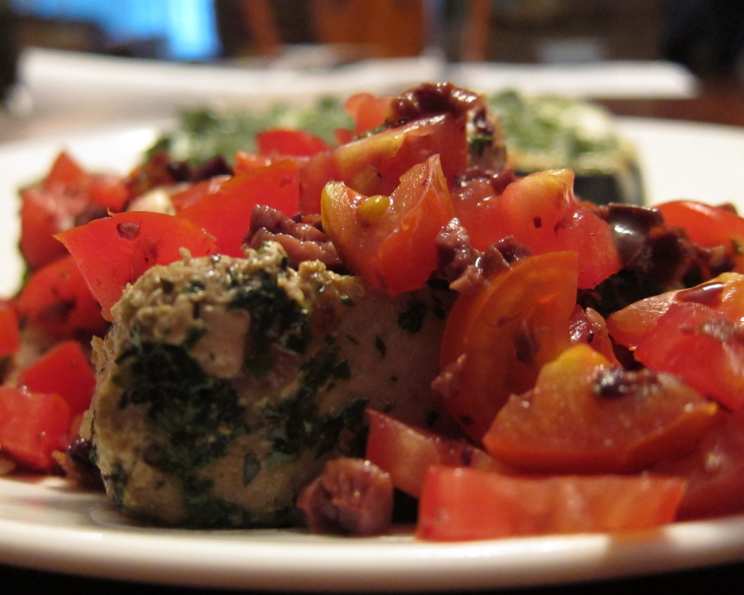
Seared Tuna With Olives, Capers, Peppers and Tomato
The first time I tasted seared tuna prepared this way, I was sitting at a sun-drenched trattoria overlooking the azure waters of the Amalfi Coast. The briny air, the cheerful chatter of locals, and the explosion of flavors in that simple dish – the richness of the tuna, the salty olives, the tangy capers – all conspired to create a culinary memory I’ve cherished ever since. Recreating this vibrant medley in my own kitchen instantly transports me back to that idyllic setting, reminding me of the joy of simple, fresh ingredients prepared with love.
Recipe Overview:
- Prep Time: 15 minutes
- Cook Time: 5 minutes
- Total Time: 20 minutes
- Servings: 4
- Dietary Type: Mediterranean
Ingredients:
- 3 tablespoons extra-virgin olive oil
- 3 large garlic cloves, thinly sliced
- ½ cup red onion, thinly sliced
- 1 ¼ – 1 ½ lbs albacore tuna, cut into 1-inch wide strips
- 1 tablespoon fresh basil, minced
- 1 tablespoon fresh mint, minced
- 1 teaspoon fresh oregano or 1 teaspoon marjoram, minced
- Salt and pepper to taste
- 1 cup tomatoes, chopped, seeded, and peeled if you like (fresh or canned)
- ½ cup Kalamata olives or ½ cup other dark olives, pitted if you like
- 1 tablespoon capers, drained
- 1 pinch red pepper flakes (to taste)
- Minced fresh basil for garnish
- Minced fresh mint for garnish
Equipment Needed:
- Large skillet
- Slotted spoon
- Small bowl
- Hot platter or warm oven (optional)
Instructions:
- In a large skillet, heat the olive oil over low heat. Add the thinly sliced garlic and cook until it turns pale gold, about 15 minutes. It’s crucial to keep the heat low to gently infuse the oil with garlic flavor without burning it. Burnt garlic will become bitter and ruin the flavor of the dish.
- Using a slotted spoon, carefully remove the garlic from the skillet and transfer it to a small bowl. Set aside.
- Increase the heat to medium-high. Add the thinly sliced red onions to the skillet and cook for about 2 minutes, or until they begin to soften and become translucent. Be careful not to brown them too much at this stage.
- Add the tuna strips to the skillet. Increase the heat to high. Quickly sear the tuna on all sides, seasoning it with the minced basil, oregano (or marjoram), and mint. Season generously with salt and pepper to taste. The key is to sear the tuna quickly, creating a flavorful crust while keeping the inside tender and rare.
- Cook the tuna to your liking, usually 2 to 5 minutes, depending on the thickness of the strips and your preference for doneness. For best results, the center should remain slightly pink. Overcooking will result in dry and tough tuna.
- Remove the seared tuna from the skillet and transfer it to a hot platter or a warm oven (if using) to keep it warm while you prepare the sauce.
- Return the reserved garlic to the skillet.
- Add the chopped tomatoes, olives, capers, and red pepper flakes to the skillet. Cook for just a minute, stirring occasionally, until the tomatoes begin to soften and the flavors meld together. Avoid overcooking the tomatoes, as you want them to retain some of their freshness.
- Spoon the tomato-olive-caper mixture over the seared tuna.
- Garnish with the remaining minced fresh basil and mint before serving.
Expert Tips & Tricks:
- Tuna Selection: Use high-quality, sushi-grade albacore tuna for the best flavor and texture. Look for firm, bright red tuna with a fresh, clean scent.
- Searing Perfection: Ensure your skillet is screaming hot before adding the tuna. This is crucial for achieving a beautiful sear and preventing the tuna from sticking to the pan. A cast-iron skillet works exceptionally well for this.
- Don’t Overcook: The biggest mistake people make with seared tuna is overcooking it. Remember, you want the center to remain slightly pink and tender. Use a gentle touch and err on the side of undercooking rather than overcooking.
- Flavor Infusion: For an extra layer of flavor, try marinating the tuna in a mixture of olive oil, lemon juice, and garlic for about 30 minutes before searing.
- Spice it Up: Adjust the amount of red pepper flakes to suit your taste. A pinch adds a subtle warmth, while more will provide a significant kick.
Serving & Storage Suggestions:
Serve the seared tuna immediately while it’s still warm and the tomato-olive-caper sauce is vibrant. This dish pairs beautifully with a crisp white wine, such as a Vermentino or a Sauvignon Blanc. Consider serving it alongside a simple green salad or crusty bread for soaking up the delicious sauce.
Leftovers can be stored in an airtight container in the refrigerator for up to 2 days. However, keep in mind that the texture of the tuna will change upon refrigeration, becoming slightly firmer. Reheat gently in a skillet over low heat or enjoy cold as part of a salad. Freezing is not recommended, as it can further compromise the texture of the tuna.
Nutritional Information:
| Nutrient | Amount per Serving | % Daily Value |
|---|---|---|
| Calories | 313.4 kcal | N/A |
| Calories from Fat | 146 g | 47% |
| Total Fat | 16.3 g | 25% |
| Saturated Fat | 2.8 g | 13% |
| Cholesterol | 59.6 mg | 19% |
| Sodium | 726.4 mg | 30% |
| Total Carbohydrate | 6.2 g | 2% |
| Dietary Fiber | 1.9 g | 7% |
| Sugars | 2.1 g | N/A |
| Protein | 34.6 g | 69% |
Note: Percent Daily Values are based on a 2,000 calorie diet. Actual values may vary based on specific ingredients and serving sizes.
Variations & Substitutions:
- Other Fish: While albacore tuna is traditional, you can substitute other types of tuna, such as yellowfin or bigeye. You could also use swordfish or even thick-cut salmon. Adjust cooking times accordingly.
- Vegetarian Option: For a vegetarian twist, substitute the tuna with grilled halloumi cheese or pan-fried tofu.
- Herb Variations: Experiment with different herbs based on your preferences. Try adding a sprig of rosemary or thyme to the skillet while cooking the onions and garlic for an earthy flavor.
- Tomato Alternatives: If fresh tomatoes are not in season, use high-quality canned diced tomatoes as a substitute.
- Spice Level: Adjust the amount of red pepper flakes to suit your heat preference or omit them altogether for a milder dish.
FAQs (Frequently Asked Questions):
Q: Can I use dried herbs instead of fresh?
A: While fresh herbs offer a more vibrant flavor, you can substitute with dried herbs. Use about 1 teaspoon of dried herbs for every tablespoon of fresh.
Q: How can I tell if the tuna is cooked properly?
A: The tuna should be seared on the outside and slightly pink in the center. Use a fork to gently flake a small piece from the center to check for doneness.
Q: Can I make this dish ahead of time?
A: The tuna is best served immediately after searing. However, you can prepare the tomato-olive-caper sauce ahead of time and reheat it before serving.
Q: What if I don’t have Kalamata olives?
A: You can use any type of dark olive, such as Niçoise or Gaeta, or even green olives if you prefer.
Q: Can I use a different type of oil instead of olive oil?
A: While olive oil is traditional for this dish, you can use another neutral-flavored oil with a high smoke point, such as avocado oil or grapeseed oil. However, the olive oil adds a distinct flavor that complements the other ingredients.
Final Thoughts:
Now it’s your turn! Embrace the spirit of the Mediterranean and bring this vibrant dish to your own table. Don’t be afraid to experiment with different ingredients and adjust the flavors to your liking. Whether you’re enjoying it on a warm summer evening or a cozy night in, this seared tuna with olives, capers, peppers, and tomato is sure to transport you to the sun-kissed shores of Italy. Buon appetito!