
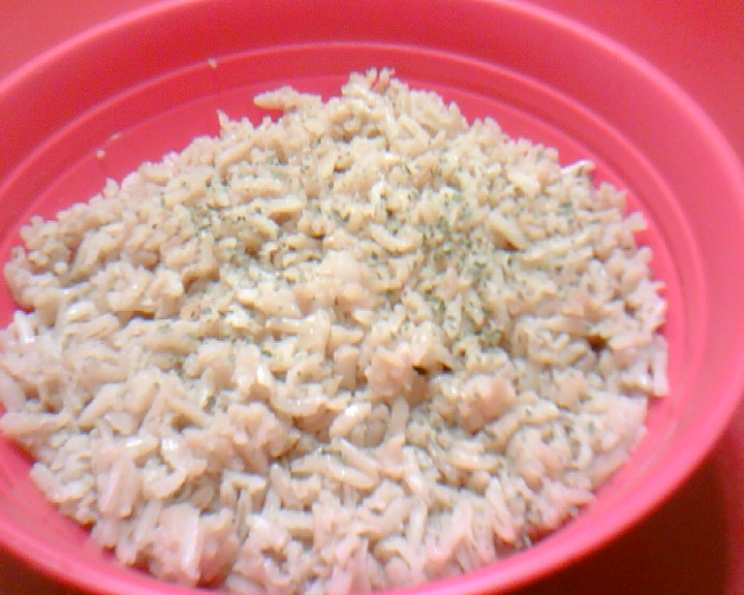
The Humble Perfection of Seasoned White Rice
My grandmother, a woman of few words but boundless love, always made rice. Not just any rice, but perfectly seasoned white rice, fluffy and fragrant. It was a staple at every family gathering, a blank canvas for her flavorful stews and sauces. I remember sneaking bites straight from the pot, the simple savory flavor a comforting constant amidst the boisterous chaos of family dinners. It wasn’t fancy, but it was perfect, a testament to the power of simple ingredients and careful technique. This recipe is my attempt to capture that perfect, simple comfort.
Recipe Overview
- Prep Time: 5 minutes
- Cook Time: 25 minutes
- Total Time: 30 minutes
- Servings: 6
- Dietary Type: Gluten-Free
Ingredients
- 2 tablespoons canola oil
- 1 1/2 cups long grain white rice
- 1/4 medium onion, chopped
- 2 garlic cloves, minced
- 3 cups chicken stock
- 1 bay leaf
- 1 teaspoon salt
Equipment Needed
- Medium saucepan with lid
Instructions
- Warm the canola oil in a medium saucepan over medium heat. The oil should shimmer slightly when it’s ready.
- Add the long grain white rice to the saucepan and stir continuously for about 10 minutes. This toasting process is crucial; it helps to prevent the rice from becoming sticky and adds a subtle nutty flavor. Don’t be afraid to let the rice lightly brown.
- Add the chopped onion and minced garlic to the rice. Stir well to combine and cook for about 1 minute, or until the onion becomes translucent and the garlic is fragrant. Be careful not to burn the garlic, as it can become bitter.
- Pour in the chicken stock, add the bay leaf, and stir in the salt. Ensure all the rice is submerged in the liquid.
- Bring the mixture to a boil. Once boiling, immediately reduce the heat to low, cover the saucepan tightly with a lid, and let it simmer undisturbed for 15 minutes, or until all the liquid is absorbed. It is important to keep the lid on the saucepan during the simmering process to trap the steam and cook the rice evenly.
- Remove the saucepan from the heat and let it sit, still covered, for another 10 minutes. This allows the rice to finish steaming and become perfectly fluffy. Resist the urge to peek or stir during this resting period.
- Remove the bay leaf and fluff the rice gently with a fork before serving. This separates the grains and prevents the rice from clumping together.
Expert Tips & Tricks
- Toasting the rice is key: Don’t skip the step of toasting the rice in oil. It enhances the flavor and prevents stickiness.
- Use good quality chicken stock: The flavor of the stock will significantly impact the overall taste of the rice. Homemade stock is always best, but a good quality store-bought stock will also work well.
- Don’t lift the lid: Resisting the temptation to lift the lid during simmering and resting is crucial. Lifting the lid releases steam and can result in unevenly cooked rice.
- Adjust salt to taste: The amount of salt needed may vary depending on the saltiness of your chicken stock. Taste the rice after cooking and add more salt if necessary.
- For extra flavor: Consider adding a pinch of saffron threads to the chicken stock for a beautiful color and subtle floral aroma. You can also add a pat of butter after cooking for extra richness.
Serving & Storage Suggestions
Serve the seasoned white rice hot as a side dish with your favorite main course. It pairs particularly well with dishes like grilled chicken, roasted vegetables, or stews. You can also use it as a base for bowls or as a filling for stuffed peppers.
Leftover rice can be stored in an airtight container in the refrigerator for up to 3 days. To reheat, add a splash of water or broth to the rice and microwave until heated through. You can also reheat it in a saucepan over low heat, stirring occasionally.
For longer storage, you can freeze the cooked rice in an airtight container for up to 2 months. Thaw it in the refrigerator overnight before reheating.
Nutritional Information
| Nutrient | Amount per Serving | % Daily Value |
|---|---|---|
| Calories | 180 kcal | 9% |
| Total Fat | 4g | 5% |
| Saturated Fat | 0.5g | 3% |
| Cholesterol | 0mg | 0% |
| Sodium | 300mg | 13% |
| Total Carbohydrate | 30g | 11% |
| Dietary Fiber | 1g | 4% |
| Sugars | 0g | 0% |
| Protein | 4g | 8% |
Note: Nutritional information is an estimate and may vary based on specific ingredients and cooking methods.
Variations & Substitutions
- Vegetarian/Vegan: Use vegetable broth instead of chicken stock.
- Brown Rice: Substitute long-grain brown rice for white rice. Note that brown rice requires a longer cooking time (about 45-50 minutes) and more liquid (about 4 cups of broth).
- Jasmine or Basmati Rice: These aromatic rice varieties can be used for a different flavor profile. Adjust the liquid slightly as needed, as they may absorb water differently than long-grain white rice.
- Herb Infusion: Add fresh herbs like thyme, rosemary, or parsley to the rice while it’s simmering for an extra layer of flavor. Remove the herbs before serving.
- Spice It Up: Add a pinch of red pepper flakes for a touch of heat.
- Coconut Rice: Substitute coconut milk for some or all of the chicken stock for a richer, sweeter flavor.
FAQs (Frequently Asked Questions)
Q: Why is it important to toast the rice before cooking?
A: Toasting the rice helps to develop a nutty flavor and also prevents the rice from becoming too sticky during cooking. It creates a slightly firmer exterior on the grains, helping them stay separate.
Q: Can I use water instead of chicken stock?
A: Yes, you can use water, but the rice will be less flavorful. Using chicken stock adds depth and richness to the dish.
Q: What if all the liquid is absorbed before the 15 minutes are up?
A: If the liquid is absorbed too quickly, add a little more broth (about 1/4 cup at a time) and continue simmering until the rice is cooked through. The amount of liquid needed can vary depending on your stove and saucepan.
Q: How do I know when the rice is done?
A: The rice is done when all the liquid has been absorbed and the grains are tender and fluffy. You can test a grain of rice by pressing it between your fingers; it should be soft and not crunchy.
Q: Can I make this recipe in a rice cooker?
A: Yes, you can adapt this recipe for a rice cooker. Follow the same steps for toasting the rice and adding the other ingredients, then use the rice cooker’s white rice setting.
Final Thoughts
This seasoned white rice is more than just a side dish; it’s a foundation, a comforting and versatile base for countless meals. I encourage you to try this recipe and make it your own, experimenting with different herbs, spices, and broths. Share it with your loved ones, and let it become a part of your own family traditions. And if you happen to pair it with meatballs in chipotle sauce and pepper slaw, as the original recipe intended, let me know what you think! Happy cooking!