
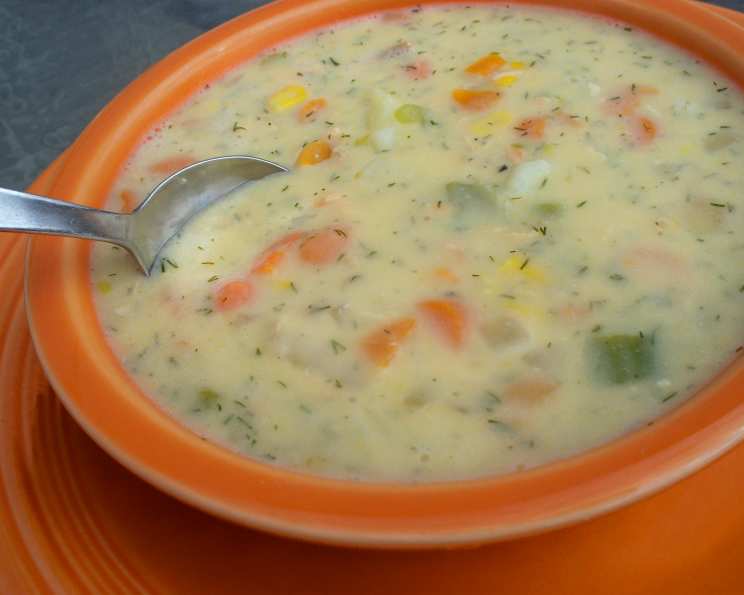
Seattle Salmon Chowder: A Taste of the Pacific Northwest
The first time I tasted true Seattle Salmon Chowder, I was huddled in a tiny, steaming cafe overlooking the Puget Sound. Rain lashed against the windows, blurring the distant islands, but inside, warmth radiated from the creamy, salmon-infused broth. Each spoonful was a revelation: the sweetness of corn, the earthy potatoes, the flaky salmon melting on my tongue. It wasn’t just a meal; it was an experience, a taste of the Pacific Northwest in a bowl, and a memory etched forever in my culinary heart.
Recipe Overview
- Prep Time: 20 minutes
- Cook Time: 30 minutes
- Total Time: 50 minutes
- Servings: 6
- Dietary Type: Pescatarian
Ingredients
- 1 lb fresh salmon fillet, skin removed, bones removed
- 1 tablespoon cooking oil
- 2 cups chopped carrots
- 1 cup chopped onion
- ½ cup chopped red pepper
- ½ cup chopped celery
- 1 ½ cups water
- 4 cups low sodium chicken broth
- 2 ½ cups cubed red potatoes
- 1 cup corn kernels (fresh or frozen)
- 2 cups milk (whole or 2%)
- 2 tablespoons cornstarch
- 2 teaspoons dill (fresh or dried)
- 1 pinch salt, to taste
Equipment Needed
- Large saucepan
- Large skillet
- Cutting board
- Sharp knife
- Measuring cups and spoons
Instructions
-
Begin by preparing the salmon. Rinse the fresh salmon fillet under cold water and pat it dry with paper towels. Ensure all bones are removed. Set aside.
-
In a large saucepan, heat the cooking oil over medium-high heat. Once the oil is shimmering, add the chopped carrots, chopped onion, chopped red pepper, and chopped celery. Cook these vegetables in the hot oil for about 10 minutes, or until they are tender. Stir frequently to prevent burning. This step, called sweating the aromatics, is crucial for building flavor in the chowder.
-
While the vegetables are cooking, prepare to poach the salmon. In a large skillet, bring the water to a boil. Carefully add the salmon to the boiling water. Once the water returns to a boil, reduce the heat to low. Simmer, covered, for 6 to 8 minutes, or until the salmon flakes easily with a fork. The poaching time will vary slightly depending on the thickness of the fillet.
-
Once the salmon is cooked, remove it from the skillet, being careful not to break it apart too much. Discard the water used for poaching. Flake the salmon into ½-inch pieces using a fork. Set aside.
-
Now, return to the large saucepan with the cooked vegetables. Stir in the low sodium chicken broth, cubed red potatoes, corn kernels, dill, and salt. Bring the mixture to a boil, then reduce the heat to medium-low. Cook, covered, for about 15 minutes, or until the potatoes are tender. Stir occasionally to prevent the potatoes from sticking to the bottom of the pan.
-
In a separate small bowl, stir together ½ cup of the milk and the cornstarch until smooth. This creates a slurry that will thicken the chowder. Ensure there are no lumps.
-
Add the milk mixture to the saucepan with the vegetables and broth. Stir in the remaining milk. Cook and stir over medium heat until the chowder is thickened and bubbly. This should take about 2-3 minutes. Be sure to stir constantly to prevent the cornstarch from scorching.
-
Continue to cook and stir for 2 minutes more, allowing the chowder to fully thicken.
-
Gently stir in the poached salmon. Be careful not to over-stir, as you want the salmon to remain in distinguishable pieces. Heat through for a minute or two, ensuring the salmon is warmed. Do not boil the chowder at this stage, as it can cause the milk to curdle.
-
Taste and adjust seasoning with salt as needed.
Expert Tips & Tricks
- For a richer flavor, consider using smoked salmon in addition to fresh salmon, or substituting half the chicken broth with clam juice.
- To prevent curdling, do not boil the chowder after adding the milk. Keep the heat at medium or medium-low.
- If you prefer a smoother chowder, you can use an immersion blender to partially blend the vegetables before adding the milk and salmon. Be careful not to over-blend, as you still want some texture.
- Make-ahead tip: The chowder (without the salmon) can be made a day ahead and stored in the refrigerator. Add the salmon just before serving.
- If the chowder becomes too thick, add a splash of milk or broth to thin it out.
- Use Yukon Gold potatoes for an even creamier texture.
Serving & Storage Suggestions
Ladle the Seattle Salmon Chowder into bowls and garnish with a sprinkle of fresh dill or a swirl of cream. Serve with crusty bread or oyster crackers for dipping. A side salad complements the richness of the chowder nicely.
Leftover chowder can be stored in an airtight container in the refrigerator for up to 3 days. It is not recommended to freeze salmon chowder, as the milk can separate and the texture can become grainy.
To reheat, gently warm the chowder over medium-low heat, stirring occasionally. Avoid boiling. If the chowder has thickened too much during storage, add a splash of milk or broth to thin it out.
Nutritional Information
| Nutrient | Amount per Serving | % Daily Value |
|---|---|---|
| Calories | 295.5 kcal | N/A |
| Calories from Fat | 83 g | 28% |
| Total Fat | 9.3 g | 14% |
| Saturated Fat | 2.9 g | 14% |
| Cholesterol | 50.8 mg | 16% |
| Sodium | 203.6 mg | 8% |
| Total Carbohydrate | 31 g | 10% |
| Dietary Fiber | 3.5 g | 14% |
| Sugars | 4.3 g | N/A |
| Protein | 23.8 g | 47% |
Variations & Substitutions
- Spicy Chowder: Add a pinch of red pepper flakes or a dash of hot sauce to the chowder for a bit of heat.
- Seafood Medley: Incorporate other seafood, such as shrimp, clams, or cod, in addition to salmon.
- Dairy-Free: Substitute almond milk or coconut milk for the dairy milk. Be aware that this will slightly alter the flavor and texture. Use olive oil instead of cooking oil if desired.
- Vegetarian Chowder: Omit the salmon and use vegetable broth instead of chicken broth. Add extra vegetables, such as mushrooms or zucchini.
- Thickening Alternative: If you don’t have cornstarch, you can use all-purpose flour as a substitute. Make sure to whisk it thoroughly with the milk to avoid lumps.
FAQs (Frequently Asked Questions)
Q: Can I use canned salmon instead of fresh salmon?
A: Yes, you can substitute canned salmon for fresh salmon. Drain the canned salmon well and flake it before adding it to the chowder. Use about 1 pound of canned salmon.
Q: How do I prevent the milk from curdling in the chowder?
A: To prevent curdling, avoid boiling the chowder after adding the milk. Keep the heat at medium or medium-low and stir frequently.
Q: Can I make this chowder ahead of time?
A: Yes, you can make the chowder (without the salmon) a day ahead and store it in the refrigerator. Add the salmon just before serving and gently heat through.
Q: What’s the best way to reheat leftover chowder?
A: Gently warm the chowder over medium-low heat, stirring occasionally. Avoid boiling. If the chowder has thickened too much during storage, add a splash of milk or broth to thin it out.
Q: Can I freeze this chowder?
A: It is not recommended to freeze salmon chowder, as the milk can separate and the texture can become grainy.
Final Thoughts
Seattle Salmon Chowder is more than just a recipe; it’s an invitation to experience the heart of Pacific Northwest cuisine. The creamy broth, the tender vegetables, and the delicate salmon combine to create a dish that is both comforting and unforgettable. So, gather your ingredients, embrace the process, and prepare to be transported to the misty shores of Seattle with every spoonful. I hope this recipe brings as much warmth and joy to your table as it has to mine. Don’t hesitate to share your culinary creations and feedback – happy cooking! A crisp Sauvignon Blanc alongside complements the chowder beautifully.