
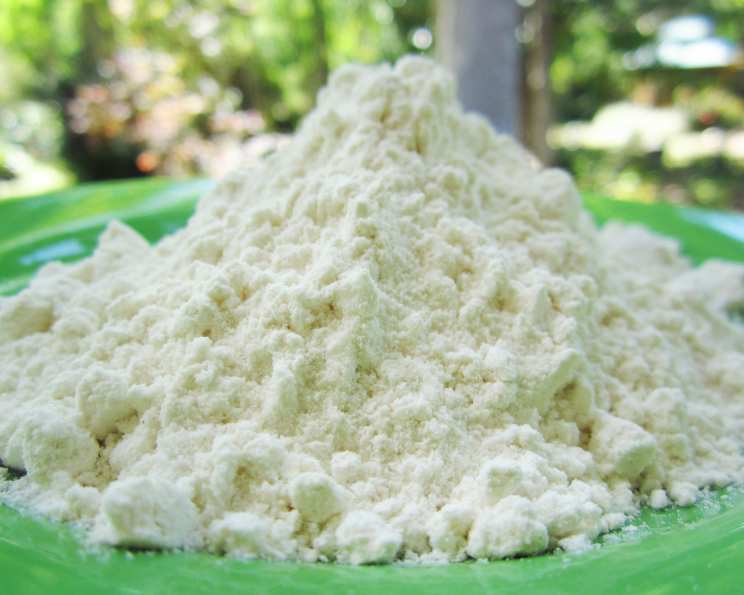
The Ultimate Self-Rising Flour Substitute: Baking Bliss When You’re in a Pinch
I remember the frantic search through my pantry on Christmas Eve, desperately seeking self-rising flour for my grandmother’s famous biscuit recipe. Snow was coming down hard, the stores were already closed, and the thought of disappointing my family with store-bought biscuits was unbearable. Thankfully, a quick online search led me to this simple substitute – a lifesaver that allowed me to carry on the tradition. From that day on, I’ve always kept the ingredients on hand, just in case, and I’m thrilled to share this culinary secret with you.
Recipe Overview
- Prep Time: 5 minutes
- Total Time: 5 minutes
- Yield: 1 cup
- Dietary Type: Adaptable to Gluten-Free
Ingredients
- 1 cup all-purpose flour
- 1 1/4 teaspoons baking powder
- 1/8 teaspoon salt
Equipment Needed
- Measuring cups and spoons
- Mixing bowl
- Airtight container for storage
Instructions
- In a mixing bowl, measure out 1 cup of all-purpose flour.
- Add 1 1/4 teaspoons of baking powder to the flour. Baking powder is the key ingredient that gives self-rising flour its leavening power, so be sure to measure accurately.
- Sprinkle in 1/8 teaspoon of salt. The salt enhances the flavor and controls the action of the baking powder.
- Thoroughly mix the flour, baking powder, and salt together. Ensure that the baking powder is evenly distributed throughout the flour to guarantee consistent results in your baked goods. You can use a whisk or a fork to help with this step.
- Store the mixture in an airtight container at room temperature. Properly stored, this self-rising flour substitute will keep for several months.
Expert Tips & Tricks
- Weighing for Accuracy: For the most consistent results, especially when baking delicate items like cakes, consider weighing the flour instead of measuring by volume. 1 cup of all-purpose flour typically weighs around 120 grams.
- Gluten-Free Adaptation: To make a gluten-free version, substitute the all-purpose flour with a gluten-free all-purpose flour blend. Ensure that the blend contains xanthan gum or another binding agent to mimic the texture of gluten.
- Freshness Matters: Use fresh baking powder for the best results. Baking powder loses its potency over time, so check the expiration date before using. A quick test is to place a teaspoon of baking powder in a cup of hot water; if it fizzes vigorously, it’s still good.
- Double or Triple the Batch: If you frequently use self-rising flour, consider making a larger batch of this substitute and storing it in an airtight container. This will save you time in the long run.
Serving & Storage Suggestions
This self-rising flour substitute should be used immediately in your recipes, just as you would use commercially prepared self-rising flour. If you made a larger batch to keep on hand, be sure to store it in a cool, dry place in an airtight container. Properly stored, it should last for several months, but for optimal leavening power, it’s best to use it within 2-3 months. There’s no need to refrigerate or freeze it. If you pre-mixed it but did not use it in a recipe, simply discard it after that time and make a fresh batch if needed.
Nutritional Information
Note: Nutritional information is an estimate and can vary based on specific ingredients and portion sizes.
| Nutrient | Amount per 1 cup serving | % Daily Value* |
|---|---|---|
| Calories | 458 kcal | 23% |
| Total Fat | 1.2g | 2% |
| Saturated Fat | 0.2g | 1% |
| Cholesterol | 0mg | 0% |
| Sodium | 747mg | 31% |
| Total Carbohydrate | 96.8g | 32% |
| Dietary Fiber | 3.4g | 14% |
| Sugars | 0.3g | 1% |
| Protein | 12.9g | 26% |
*Based on a 2000 calorie diet.
Variations & Substitutions
- Whole Wheat Self-Rising Flour: Substitute up to half of the all-purpose flour with whole wheat flour for a nuttier flavor and added fiber. Be aware that this may result in a slightly denser final product.
- Spelt Flour Self-Rising Flour: Similar to whole wheat, spelt flour can replace up to half of the all-purpose flour. Spelt has a slightly sweeter and milder flavor than whole wheat.
- Adjusting the Salt: If you are on a low-sodium diet, you can reduce or omit the salt in this recipe. However, keep in mind that salt plays a role in the development of gluten and the overall flavor of the baked goods.
- Different Ratios: Some bakers prefer slightly different ratios of baking powder to flour. Feel free to experiment with adjusting the amount of baking powder to suit your specific needs. A range of 1 to 1 1/2 teaspoons of baking powder per cup of flour is generally acceptable.
FAQs (Frequently Asked Questions)
Q: Can I use this substitute in any recipe that calls for self-rising flour?
A: Yes, this substitute is designed to mimic the properties of commercially prepared self-rising flour, making it suitable for most recipes. However, it’s always a good idea to test it in a small batch first, especially if you’re unfamiliar with the recipe.
Q: How do I know if my baking powder is still good?
A: To test your baking powder, add a teaspoon to a cup of hot water. If it fizzes vigorously, it’s still active. If it doesn’t, it’s time to replace it.
Q: Can I make this substitute ahead of time?
A: Yes, you can prepare a larger batch of this substitute and store it in an airtight container at room temperature for several months.
Q: What is the difference between self-rising flour and all-purpose flour?
A: Self-rising flour is all-purpose flour that has baking powder and salt already added to it. This substitute essentially creates that same combination.
Q: My baked goods turned out flat. What went wrong?
A: Several factors could contribute to flat baked goods, including using expired baking powder, overmixing the batter, or using the wrong oven temperature. Ensure your baking powder is fresh and follow the recipe instructions carefully.
Final Thoughts
Baking should be a joy, not a source of stress. Knowing you have this reliable self-rising flour substitute at your fingertips means you can always whip up your favorite recipes, even when you’re missing that one key ingredient. Don’t be afraid to experiment with variations and find what works best for your taste. And most importantly, share your creations with loved ones and enjoy the simple pleasure of homemade baked goods. I encourage you to try this easy substitute – I think you’ll find that it will quickly become a staple in your kitchen, too. Consider pairing your baked goods (biscuits, muffins, scones!) made with this sub with a warm cup of tea or coffee for a delightful treat.