
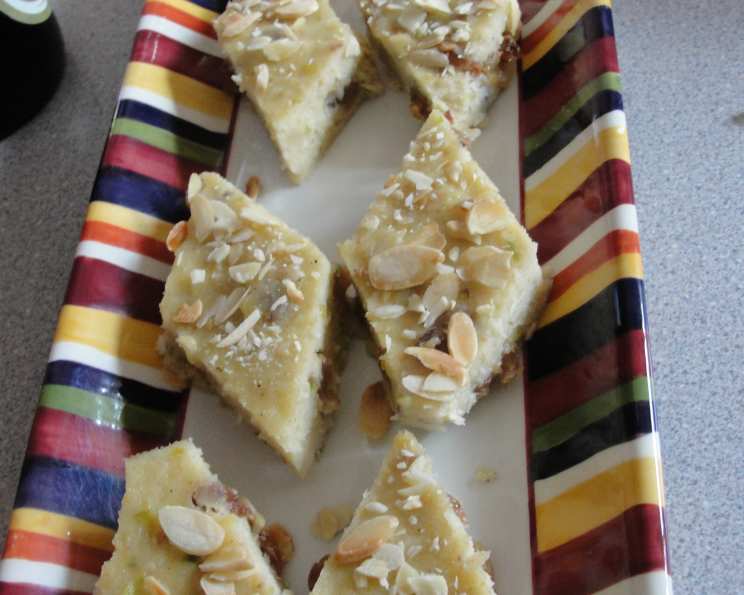
The Golden Embrace of Semolina Halwa: A Taste of Home
The memory of my grandmother’s kitchen is forever intertwined with the sweet, nutty aroma of halwa simmering on the stove. It wasn’t just a dessert; it was a gesture of love, a warm welcome after a long day, a comforting presence during rainy afternoons. She would always make a large batch, and the whole house would smell of cardamom and ghee for days. Even now, the scent alone can transport me back to her side, enveloped in the warmth of her embrace and the promise of a sweet treat. This recipe, though not hers precisely, captures that same spirit – a simple alchemy of ingredients transformed into something truly special.
Recipe Overview
- Prep Time: 5 minutes
- Cook Time: 30 minutes
- Total Time: 35 minutes
- Servings: 4-6
- Yield: Variable, depending on serving size
- Dietary Type: Vegetarian
Ingredients
- 3 ounces semolina
- 1 cup water
- 1 cup milk
- 3 ounces sugar (adjust to taste if preferred less sweet)
- 1 pinch salt
- 2 tablespoons chopped nuts (such as pistachio, walnuts, or almonds)
- 2 tablespoons sultanas or raisins
- ½ teaspoon ground cardamom
- 1 tablespoon grated fresh coconut or 1 tablespoon grated dried desiccated coconut (optional)
- 2 ounces ghee (clarified butter) or butter
Equipment Needed
- Heavy-bottomed pan
- Another pan for boiling
- Serving dish
Instructions
- Begin by placing the semolina in a heavy-bottomed dry pan. This type of pan is crucial for even heat distribution, preventing scorching.
- Cook the semolina over medium heat, stirring frequently, until it transforms into a light golden brown. This is the most critical step, demanding constant attention. The browning process can take around 10 minutes, and it’s essential to continuously shake the pan to ensure even toasting. Be vigilant, as the transition from perfectly toasted to burnt can happen in an instant. Set the browned semolina aside.
- In a separate pan, combine the water and milk. Bring the mixture to a boil.
- Once boiling, add the sugar, salt, cardamom, and the optional coconut. Reduce the heat and allow the mixture to simmer gently. Simmering helps the flavors meld together, creating a richer, more fragrant base for the halwa.
- In the heavy-bottomed pan you used for the semolina, melt the ghee (or butter) over medium heat.
- Add the chopped nuts and sultanas (or raisins) to the melted ghee. Fry them for a few minutes until the nuts are lightly toasted and fragrant, and the sultanas plump up. This step infuses the ghee with nutty sweetness, which enhances the overall flavor of the dish.
- Carefully pour the nut and ghee mixture into the simmering water/milk mixture. Stir well to combine.
- Now, gradually add the toasted semolina to the liquid mixture, stirring constantly to prevent lumps from forming. This is where patience is key.
- Continue stirring continuously as the semolina absorbs the liquid and the mixture begins to thicken.
- The halwa will gradually thicken, usually in about 5 minutes, transforming into a consistency similar to soft mashed potatoes. The precise cooking time may vary slightly depending on the heat and the pan used. You’re looking for a thick, but still slightly moist consistency.
- Once the halwa reaches the desired consistency, transfer it to a serving dish.
- Serve immediately, warm, or cold, according to your preference.
Expert Tips & Tricks
- Browning the Semolina Perfectly: The key to a great halwa lies in perfectly browning the semolina. Too light, and the halwa will be bland; too dark, and it will be bitter. Aim for a light golden-brown color, constantly stirring and shaking the pan to ensure even toasting.
- Preventing Lumps: To avoid lumps, add the toasted semolina to the liquid mixture gradually, while stirring constantly with a whisk.
- Ghee vs. Butter: While ghee imparts a richer, nuttier flavor, butter can be used as a substitute. If using butter, opt for unsalted butter for best results.
- Adjusting Sweetness: The sweetness of the halwa can be adjusted to your liking. Start with the specified amount of sugar and then add more, a tablespoon at a time, if needed. Remember that the halwa will taste less sweet when cold.
- Reviving Dry Halwa: If your halwa becomes too dry, add a tablespoon or two of warm milk or water and stir it in gently until the desired consistency is reached.
Serving & Storage Suggestions
Semolina halwa can be served in a variety of ways. Traditionally, it is served warm, garnished with chopped nuts. However, it is equally delicious cold, especially as a refreshing dessert after a spicy meal.
- Serving: Serve warm or at room temperature, garnished with extra chopped nuts, a drizzle of ghee, or a sprinkle of desiccated coconut.
- Storage: Leftover halwa can be stored in an airtight container in the refrigerator for up to 3-4 days.
- Reheating: To reheat, microwave in short bursts, stirring in between, until warmed through. You can also reheat it gently in a pan on the stovetop with a splash of milk or water.
Nutritional Information
| Nutrient | Amount per Serving | % Daily Value |
|---|---|---|
| Calories | 280 kcal | 14% |
| Total Fat | 12g | 18% |
| Saturated Fat | 7g | 35% |
| Cholesterol | 30mg | 10% |
| Sodium | 60mg | 3% |
| Total Carbohydrate | 35g | 12% |
| Dietary Fiber | 1g | 4% |
| Sugars | 20g | N/A |
| Protein | 4g | 8% |
Note: Nutritional information is an estimate and may vary depending on specific ingredients and portion sizes.
Variations & Substitutions
- Vegan Halwa: Substitute the milk with plant-based milk like almond or oat milk and use vegan butter or coconut oil instead of ghee.
- Gluten-Free Halwa: Ensure that the semolina you are using is certified gluten-free, as some brands may have cross-contamination.
- Flavor Variations: Experiment with different spices like cinnamon, nutmeg, or saffron for a unique twist. You can also add other dried fruits like chopped dates or figs.
- Nut Variations: Use any nuts you like or have on hand. Cashews, pecans, and macadamia nuts all work well.
- Liquid Variations: For an extra rich flavor, substitute some of the water with juice. Orange juice is a great option.
FAQs (Frequently Asked Questions)
Q: Can I make this halwa ahead of time?
A: Yes, you can make semolina halwa a day or two in advance. Store it in an airtight container in the refrigerator and reheat gently before serving.
Q: How do I prevent the halwa from sticking to the pan?
A: Using a heavy-bottomed pan and stirring constantly will help prevent sticking. You can also lightly grease the pan before adding the semolina.
Q: Can I use brown sugar instead of white sugar?
A: Yes, you can use brown sugar for a deeper, more molasses-like flavor. Keep in mind that it will also change the color of the halwa.
Q: What if I don’t have ghee?
A: You can use unsalted butter as a substitute for ghee. However, ghee provides a richer, nuttier flavor that is traditionally used in halwa.
Q: How can I make this less sweet?
A: Reduce the amount of sugar in the recipe. You can start with half the amount and add more to taste. Remember that the halwa will taste less sweet when it’s cold.
Final Thoughts
This Semolina Halwa recipe is more than just a set of instructions; it’s an invitation to create a comforting and heartwarming experience. Whether you’re seeking a taste of nostalgia or simply looking for a delicious and easy-to-make dessert, I encourage you to give it a try. Don’t be afraid to experiment with variations and make it your own. And most importantly, share it with loved ones – because the best part of any dish is the joy it brings when shared. I would love to hear your feedback, and how it turned out! Try serving this with a hot cup of masala chai, or alongside a savory curry dish.