
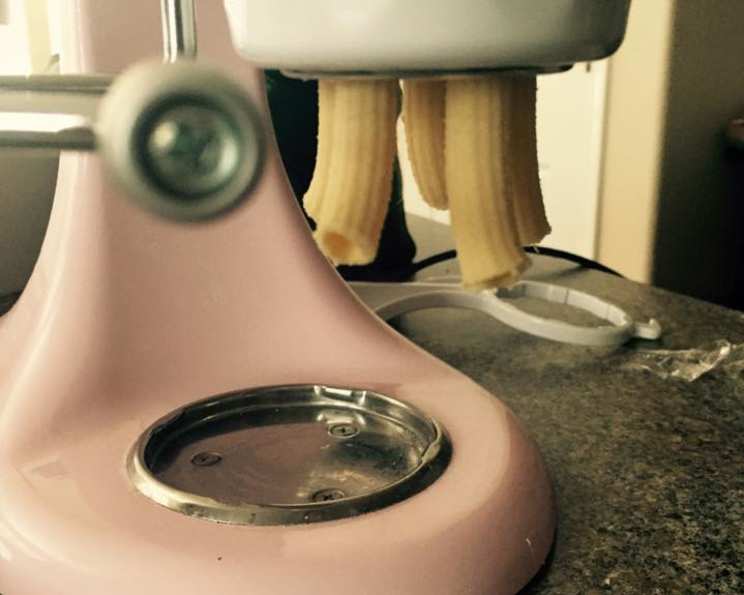
Semolina Pasta Dough: A Culinary Journey
The first time I made pasta from scratch, I was intimidated. My grandmother, a woman whose hands seemed to understand dough in a way mine never could, stood beside me, patiently guiding me. I remember the feel of the semolina flour, coarse and golden, between my fingers, and the almost magical transformation as simple ingredients became silky, pliable dough. The aroma of freshly cooked pasta that filled her kitchen that day is a memory etched in my senses, a reminder of the love and tradition woven into every strand.
Recipe Overview
- Prep Time: 10 minutes
- Cook Time: 5 minutes
- Total Time: 15 minutes
- Yields: ½ lb
- Serves: 4-6
- Dietary Type: Vegetarian
Ingredients
- 1 cup semolina flour
- ¾ cup all-purpose flour
- 2 large eggs, room temperature
- 1 tablespoon olive oil
- 1 teaspoon salt
- 1 tablespoon water (or as needed)
Equipment Needed
- Food processor
- Pasta machine (manual crank or electric)
- Lightly floured surface
- Cookie sheet
Instructions
- In the bowl of a food processor fitted with the metal blade, add the semolina flour, all-purpose flour, eggs, olive oil, and salt.
- Pulse the food processor until the mixture takes on a coarse, cornmeal-like texture. This step is crucial for ensuring the ingredients are evenly distributed before adding moisture.
- With the food processor running, slowly drizzle in the water. Be extremely cautious with the water; add it gradually, a teaspoon at a time. The goal is to form a ball of dough that pulls away from the sides of the bowl. You might not need the entire tablespoon of water, depending on the humidity and the size of your eggs.
- Once the dough forms a ball, remove it from the food processor and place it on a lightly floured surface.
- Now, it’s time to transform the dough into pasta using a pasta machine. Start with the widest setting on your pasta machine. Fold the dough over itself and pass it through the machine six times. Lightly flour the pasta sheets if they become sticky to prevent them from tearing or sticking to the rollers.
- After the initial six passes on the widest setting, move to the next thinnest setting. Pass the dough through the machine once at each subsequent setting, gradually decreasing the thickness until you reach your desired thickness. This process ensures a smooth, even texture.
- Once the pasta sheets are rolled to your preferred thickness, let them sit on a lightly floured surface for about 15 minutes. This allows the gluten to relax slightly, making the pasta less likely to shrink during cooking.
- After the resting period, use your pasta machine’s cutting attachment or a knife to cut the pasta into your desired shape (e.g., spaghetti, fettuccine, pappardelle).
- Spin the cut noodles into loose nests to prevent them from sticking together and place them on a cookie sheet lined with parchment paper.
- Allow the pasta to dry for approximately 30 minutes before cooking. This step helps the pasta retain its shape during cooking.
- To cook the pasta, bring a large pot of salted water to a rolling boil. Add the fresh pasta and cook for a very short time. Fresh pasta cooks much faster than dried pasta, typically in under 5 minutes, even for wider noodles.
- A good indicator of doneness is when the pasta starts to float to the surface of the water. Taste a strand to ensure it is cooked to your liking (al dente, meaning “to the tooth,” is ideal).
Expert Tips & Tricks
- Room Temperature Eggs: Using room temperature eggs helps them incorporate more easily into the dough, resulting in a smoother texture.
- Dough Consistency: The dough should be firm and slightly elastic, not sticky. If it’s too sticky, add a little more all-purpose flour, one teaspoon at a time. If it’s too dry, add a tiny bit more water, drop by drop.
- Resting is Key: Don’t skip the resting period after rolling the dough. It makes a noticeable difference in the final texture of the pasta.
- Preventing Sticking: Flour is your friend! Use it liberally on your work surface and on the pasta sheets to prevent sticking.
- Freezing Pasta: Fresh pasta can be frozen for later use. Form the noodles into nests, dust with flour, and freeze them on a cookie sheet. Once frozen solid, transfer them to a freezer bag or container. Cook directly from frozen, adding a minute or two to the cooking time.
Serving & Storage Suggestions
Serve your freshly made semolina pasta immediately with your favorite sauce. A simple tomato sauce, pesto, or brown butter sauce would all be excellent choices. For a truly Italian experience, toss the pasta with some freshly grated Parmesan cheese.
Leftover cooked pasta can be stored in an airtight container in the refrigerator for up to 2 days. Reheat gently in boiling water for a minute or two, or sauté in a pan with a little olive oil.
Uncooked, dried pasta nests can be stored in an airtight container at room temperature for up to 24 hours. This allows the pasta to dry further, improving its texture when cooked.
Nutritional Information
| Nutrient | Amount per Serving | % Daily Value |
|---|---|---|
| Calories | 301 kcal | N/A |
| Total Fat | 6.4g | 9% |
| Saturated Fat | 1.4g | 6% |
| Cholesterol | 93mg | 31% |
| Sodium | 617.9mg | 25% |
| Total Carbohydrate | 48.5g | 16% |
| Dietary Fiber | 2.3g | 9% |
| Sugars | 0.2g | 0% |
| Protein | 10.8g | 21% |
Nutritional information is an estimate and may vary based on specific ingredients and portion sizes.
Variations & Substitutions
- Gluten-Free Pasta: While this recipe specifically uses semolina and all-purpose flour, you can experiment with gluten-free flour blends. Look for blends designed for pasta making, as they often contain ingredients like tapioca starch and xanthan gum to improve texture.
- Herb-Infused Pasta: Add finely chopped fresh herbs, such as basil, rosemary, or thyme, to the dough for a flavorful twist. About 1-2 tablespoons of herbs should be sufficient.
- Spinach Pasta: Incorporate pureed spinach into the dough for a vibrant green color and added nutrients. Reduce the amount of all-purpose flour slightly to compensate for the moisture in the spinach.
- Egg Yolk Pasta: For a richer, more decadent pasta, use only egg yolks instead of whole eggs. This will create a pasta with a more intense yellow color and a silkier texture.
FAQs (Frequently Asked Questions)
Q: Can I make this dough without a food processor?
A: Yes, you can make the dough by hand. Combine the dry ingredients in a bowl, make a well in the center, and add the wet ingredients. Use a fork to gradually incorporate the dry ingredients into the wet ingredients until a dough forms. Knead the dough on a floured surface for about 10 minutes until smooth and elastic.
Q: My pasta dough is too dry and crumbly. What can I do?
A: Add a small amount of water, a teaspoon at a time, and knead until the dough comes together. Be careful not to add too much water, as this will make the dough sticky.
Q: My pasta dough is too sticky. How can I fix it?
A: Add a small amount of all-purpose flour, a teaspoon at a time, and knead until the dough is no longer sticky.
Q: How long can I store the fresh pasta dough before using it?
A: You can wrap the dough tightly in plastic wrap and store it in the refrigerator for up to 24 hours. Allow the dough to come to room temperature before rolling it out.
Q: Why is my pasta tough?
A: Overworking the dough can lead to tough pasta. Be careful not to over-knead the dough, and allow it to rest for the recommended time.
Final Thoughts
Making semolina pasta from scratch is a rewarding culinary experience. The process, though seemingly complex at first, becomes simpler with practice. Don’t be afraid to experiment with different shapes, sauces, and flavors to create your own signature pasta dishes. Share your creations with friends and family, and savor the delicious results of your labor. I encourage you to try this recipe and share your feedback. Buon appetito!