
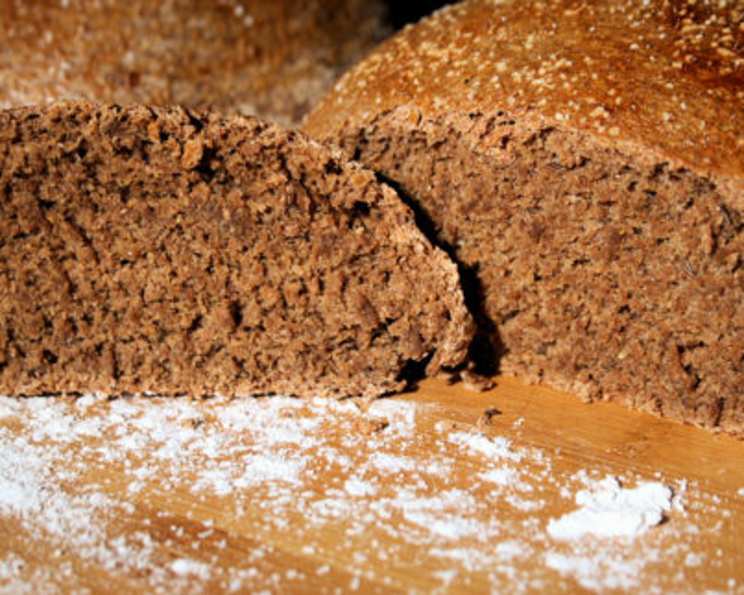
Serbian Pumpernickel Bread: A Taste of Heritage
The scent of dark, rich bread baking always transports me back to my childhood. My grandmother, a woman of few words but immense warmth, would often have a loaf cooling on the counter, its deep aroma filling her tiny kitchen. This wasn’t just any bread; it was a pumpernickel, dense and flavorful, a staple passed down through generations. It wasn’t just sustenance; it was a symbol of resilience, family, and the simple pleasures of life.
Recipe Overview
- Prep Time: 30 minutes
- Cook Time: 45 minutes
- Total Time: 2 hours 45 minutes (including rising time)
- Servings: Varies
- Yield: 2 loaves
- Dietary Type: Vegetarian (easily adaptable to vegan – see variations)
Ingredients
- 2 cups boiling water
- 1 ounce unsweetened chocolate
- 1/2 cup cider vinegar
- 1/2 cup dark molasses
- 2 tablespoons caraway seeds
- 2 teaspoons instant coffee granules
- 2 tablespoons active dry yeast
- 1/2 cup warm water (105-110 degrees F)
- 1 tablespoon sugar
- 1 tablespoon salt
- 4 cups dark rye flour
- 1 cup wheat bran, unprocessed
- 3 – 3 1/2 cups all-purpose flour
- 1 egg white, slightly beaten
- 2 teaspoons coarse salt
Equipment Needed
- Large mixing bowl
- Measuring cups and spoons
- Baking sheets
- Wire cooling rack
- Optional: Stand mixer with dough hook
Instructions
-
In a large bowl, combine the boiling water, unsweetened chocolate, cider vinegar, dark molasses, caraway seeds, and instant coffee granules. Stir until the chocolate is completely melted. Allow the mixture to cool to between 105 and 110 degrees F. This step is crucial; if the liquid is too hot, it will kill the yeast.
-
While the chocolate mixture is cooling, proof the yeast. In a separate small bowl, dissolve the active dry yeast in the warm water (105-110 degrees F). Add the sugar and let stand for 10 minutes, or until foamy. This indicates that the yeast is alive and active. If the yeast doesn’t foam, it’s likely expired and you’ll need to start with fresh yeast.
-
Once the chocolate mixture has cooled to the correct temperature, add the proofed yeast mixture, sugar, and salt. Stir well to combine.
-
Gradually add the dark rye flour and wheat bran to the wet ingredients. Mix thoroughly until a shaggy dough forms. At this stage, the dough will be quite sticky.
-
Begin kneading in the all-purpose flour, about 1/2 cup at a time. You can do this by hand on a lightly floured surface or using a stand mixer fitted with a dough hook. If using a mixer, knead on medium-low speed. The amount of flour needed may vary depending on the humidity and the type of flour used. The goal is to create a dough that is smooth and elastic but still slightly tacky.
-
Once the dough has formed, grease a large bowl. Place the dough in the bowl, turning to coat all sides. Cover the bowl with plastic wrap or a clean kitchen towel. Let the dough rise in a warm place for approximately 1 to 1 1/2 hours, or until it has doubled in size.
-
After the first rise, gently punch down the dough to release the air. Divide the dough in half. On a lightly floured surface, shape each half into a round loaf.
-
Place the formed loaves on greased baking sheets. Cover loosely with plastic wrap or a clean kitchen towel and let rise again for about 30-45 minutes, or until almost doubled.
-
Preheat your oven to 350 degrees F (175 degrees C).
-
Just before baking, lightly brush the tops of the loaves with the slightly beaten egg white. Sprinkle with coarse salt.
-
Bake for 25 minutes. Then, reduce the oven temperature to 325 degrees F (160 degrees C) and bake for another 20 minutes, or until the loaves sound hollow when tapped on the bottom. Internal temperature should be around 200-210 degrees Fahrenheit. Keep an eye on the bread; if it starts to brown too quickly, tent it with foil.
-
Remove the loaves from the oven and let them cool on a wire rack completely before slicing. Resist the urge to cut into them while they’re still warm; this will result in a gummy texture.
Expert Tips & Tricks
- Temperature is key: Ensuring the liquids are at the correct temperature (105-110 degrees F) for the yeast to activate is critical. Too hot, and you’ll kill the yeast; too cold, and it won’t activate.
- Kneading time: Kneading is essential for developing the gluten, which gives the bread its structure. If kneading by hand, aim for at least 10 minutes. A stand mixer can cut this time in half.
- Rye Flour Specifics: Rye flour has less gluten than wheat flour, leading to a denser loaf. Don’t be tempted to add excessive amounts of all-purpose flour, as it will change the character of the bread.
- Oven Consistency: Ovens can vary, so check the bread’s internal temperature using a thermometer for accurate doneness.
Serving & Storage Suggestions
This Serbian pumpernickel bread is fantastic served warm with a smear of butter or cream cheese. It also pairs beautifully with hearty soups and stews, smoked meats, or strong cheeses. For a truly authentic experience, try it with some Serbian ajvar (roasted red pepper relish) and kajmak (a type of clotted cream).
To store leftovers, wrap the bread tightly in plastic wrap or place it in an airtight container. It will keep at room temperature for 2-3 days. For longer storage, slice the bread and freeze it for up to 2 months. To reheat, simply thaw the slices and toast them lightly.
Nutritional Information
| Nutrient | Amount per Serving (estimated) | % Daily Value |
|---|---|---|
| Calories | 1000 kcal | 50% |
| Total Fat | 9g | 14% |
| Saturated Fat | 3g | 15% |
| Cholesterol | 0mg | 0% |
| Sodium | 2952mg | 123% |
| Total Carbohydrate | 210g | 70% |
| Dietary Fiber | 43g | 172% |
| Sugars | 30g | – |
| Protein | 37g | 74% |
Note: Nutritional information is an estimate and may vary depending on the exact ingredients and portion sizes used.
Variations & Substitutions
- Vegan Option: Substitute the egg white wash with a mixture of maple syrup or agave nectar and water.
- Spicier Bread: Add a pinch of cayenne pepper or a dash of hot sauce to the dough for a bit of heat.
- Seed Variations: Experiment with different seeds, such as sunflower seeds, pumpkin seeds, or sesame seeds, in addition to or in place of the caraway seeds.
- Sweetener Adjustment: Adjust the amount of molasses to tailor the sweetness level to your preference. You can also use honey or maple syrup as substitutes.
FAQs (Frequently Asked Questions)
Q: Why is my pumpernickel bread so dense?
A: Pumpernickel is naturally a dense bread due to the rye flour. However, ensure you’re not adding too much all-purpose flour during kneading, as this can make it even denser. Also, make sure your yeast is active and the dough rises properly.
Q: Can I make this bread without a stand mixer?
A: Absolutely! You can knead the dough by hand. It will require a bit more effort, but the result will be just as delicious. Knead for at least 10-15 minutes until the dough is smooth and elastic.
Q: How do I know when the bread is done?
A: The best way to check for doneness is to insert a thermometer into the center of the loaf. It should register around 200-210 degrees F. You can also tap the bottom of the loaf; it should sound hollow.
Q: Can I freeze this bread?
A: Yes, pumpernickel bread freezes well. Allow the bread to cool completely, then wrap it tightly in plastic wrap and place it in a freezer-safe bag. It can be frozen for up to 2 months.
Q: What can I serve with this bread?
A: This bread pairs well with a variety of foods, including soups, stews, cheeses, and smoked meats. It’s also delicious on its own with butter or cream cheese.
Final Thoughts
This Serbian Pumpernickel bread is more than just a recipe; it’s a connection to a rich culinary heritage. The deep, complex flavors and satisfying texture make it a truly special bread. Don’t be intimidated by the slightly longer process; the aroma that fills your kitchen and the taste of that first slice will make it all worthwhile. I encourage you to try this recipe, share it with your loved ones, and create your own memories around this delicious, time-honored bread. Perhaps a hearty bowl of goulash alongside a slice of this bread is just what you need on a cold evening!