
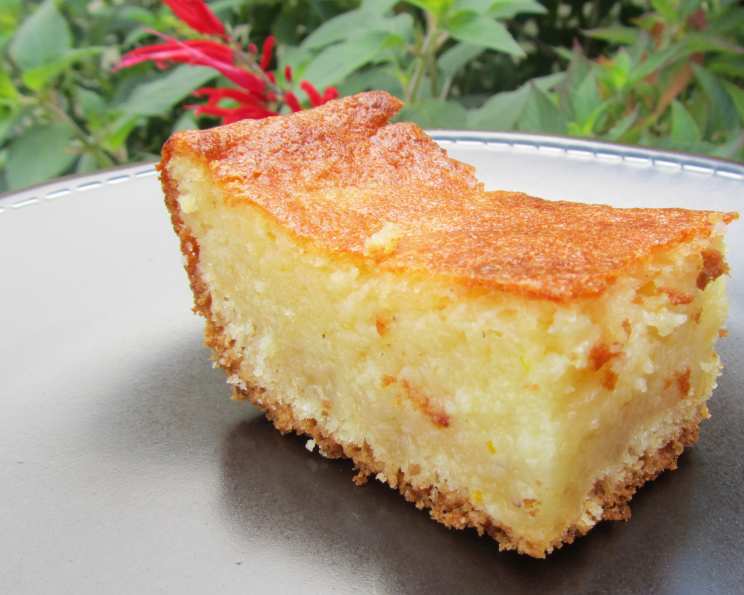
Sernik: A Taste of Polish Tradition
My grandmother’s kitchen was a magical place, especially around Easter. The aroma of freshly baked bread mingled with the sweet, citrusy scent of Sernik, the traditional Polish cheesecake. I remember standing on a stool, mesmerized as she expertly layered the creamy filling over the delicate crust, her hands moving with the grace of a seasoned artist. Each slice was a taste of home, a reminder of family, and a celebration of heritage. This recipe is my attempt to capture that same magic, using modern techniques to recreate a cherished family classic.
Recipe Overview
- Prep Time: 30 minutes
- Cook Time: 45-50 minutes
- Total Time: 1 hour 15 minutes + cooling time
- Servings: 20
- Yield: 1 large cheesecake
- Dietary Type: Not Gluten-Free
Ingredients
For the Dough:
- 1 1/2 cups flour
- 1 teaspoon baking powder
- 1/3 cup sugar
- 1/4 teaspoon salt
- 1/4 cup unsalted butter, chilled and cubed
- 1 egg
- 1/4 cup sour cream or plain yogurt
For the Filling:
- 6 eggs, separated
- 2 cups sugar
- 1 teaspoon vanilla extract
- 6 tablespoons unsalted butter, softened
- 1 1/2 cups mashed potatoes, unseasoned (about 3 medium)
- 1 lb farmer cheese (or ricotta cheese)
- 1/4 cup Grand Marnier or limoncello
- 1/2 teaspoon freshly grated nutmeg
- 1/2 teaspoon salt
- 1 orange zest or 1 lemon zest
Equipment Needed
- 9x13x2 inch baking pan
- Food processor
- Mixer (stand or hand mixer)
- Mixing bowls
- Rubber spatula
Instructions
- Preheat your oven to 350 degrees Fahrenheit (175 degrees Celsius).
- Prepare the dough: In a food processor, combine the flour, baking powder, sugar, and salt. Pulse a few times to mix.
- Add the chilled, cubed butter to the food processor. Pulse until the mixture resembles coarse crumbs.
- Add the egg and sour cream (or yogurt) to the food processor. Pulse until the dough comes together and forms a ball.
- The dough will be sticky. Liberally flour your hands. Press the dough into the prepared 9x13x2 inch pan, bringing it up slightly on the sides to create a small crust edge.
- Prepare the filling: In a clean mixing bowl, using a mixer, beat the egg whites until stiff peaks form. Set aside. It’s crucial that your bowl and beaters are clean for proper whipping.
- In a separate, larger mixing bowl, beat the egg yolks, sugar, and vanilla extract together until light and creamy. This might take a few minutes, but it’s important to properly aerate the mixture.
- In the food processor (no need to clean it after the dough), combine the softened butter, mashed potatoes, farmer cheese (or ricotta), Grand Marnier (or limoncello), nutmeg, salt, and orange or lemon zest. Pulse until everything is well combined and the mixture is smooth.
- Add the cheese mixture from the food processor to the egg yolk mixture. Gently fold the two together until they are just combined. Be careful not to overmix.
- Gently fold in the beaten egg whites to the cheese mixture. It’s important to fold carefully to avoid deflating the egg whites. This will ensure a light and airy cheesecake.
- Pour the filling over the prepared crust in the baking pan.
- Bake in the preheated oven for 45-50 minutes, or until the filling is set but still slightly jiggly in the center.
- Turn off the oven and let the cheesecake cool inside with the door ajar. This prevents the cheesecake from cracking due to a sudden temperature change.
- Cool completely before serving. The cheesecake needs ample time to fully set.
Expert Tips & Tricks
- The Cheese: Farmer cheese is traditional, but if you can’t find it, ricotta cheese is a good substitute. Make sure to drain the ricotta well to remove excess moisture.
- The Crust: The crust can be a bit sticky to work with. Don’t be afraid to use plenty of flour on your hands and work surface.
- Mashed Potatoes: Don’t skip the mashed potatoes! They add a subtle sweetness and a wonderful creamy texture to the cheesecake. Make sure they are unseasoned.
- Doneness: The cheesecake is done when the edges are set and the center is only slightly jiggly. It will continue to set as it cools.
- Preventing Cracks: Cooling the cheesecake slowly in the oven with the door ajar is key to preventing cracks.
- Make Ahead: The cheesecake can be made a day or two ahead of time. In fact, it tastes even better after it has had a chance to chill in the refrigerator.
Serving & Storage Suggestions
Serve the Sernik chilled, ideally after it has been refrigerated for several hours or overnight. You can dust the top with powdered sugar or serve it with a dollop of whipped cream and fresh berries. This cheesecake is best enjoyed cold.
To store leftovers, wrap them tightly in plastic wrap or place them in an airtight container and refrigerate. It will keep for up to 5 days in the refrigerator. You can also freeze the cheesecake for up to 2 months. Thaw it overnight in the refrigerator before serving.
Nutritional Information
Note: Estimated values, actual values may vary based on specific ingredients used.
| Nutrient | Amount per Serving | % Daily Value |
|---|---|---|
| Calories | 236 kcal | N/A |
| Fat | 8.3g | 12% |
| Saturated Fat | 4.6g | 23% |
| Cholesterol | 83.8mg | 27% |
| Sodium | 255.9mg | 10% |
| Carbohydrates | 35.1g | 11% |
| Fiber | 0.5g | 2% |
| Sugar | 24.2g | N/A |
| Protein | 5.9g | 11% |
Variations & Substitutions
- Gluten-Free: For a gluten-free version, use a gluten-free flour blend for the crust. You may need to add a bit more liquid (like sour cream) to help the dough come together.
- Citrus Variations: Experiment with different citrus zests, such as grapefruit or lime.
- Flavor Extracts: Add a few drops of almond extract or orange flower water to the filling for a unique flavor.
- Chocolate Swirl: Before baking, swirl melted chocolate into the filling for a decadent twist.
- Crust Alternatives: Use graham cracker crumbs, crushed cookies, or even a pre-made pie crust for a quicker option.
FAQs (Frequently Asked Questions)
Q: Can I use low-fat farmer cheese or ricotta?
A: While you can, the texture and flavor will be slightly different. Full-fat cheese will result in a richer, creamier cheesecake.
Q: Can I skip the alcohol?
A: Yes, you can omit the Grand Marnier or Limoncello altogether. You can also substitute it with an equal amount of orange juice or lemon juice for a similar flavor profile.
Q: Why is it important to cool the cheesecake in the oven with the door ajar?
A: This slow cooling process helps prevent the cheesecake from cracking due to rapid temperature changes.
Q: How do I know when the cheesecake is done?
A: The edges should be set, but the center should still be slightly jiggly. It will continue to set as it cools.
Q: Can I freeze the cheesecake?
A: Yes, you can freeze the cheesecake for up to 2 months. Wrap it tightly in plastic wrap and then in foil. Thaw it overnight in the refrigerator before serving.
Final Thoughts
I hope this recipe brings you as much joy as it has brought my family for generations. Don’t be intimidated by the number of steps – each one is simple and straightforward. Feel free to experiment with different flavors and variations to make it your own. And most importantly, enjoy the process of creating something delicious and sharing it with loved ones. Whether you’re celebrating a special occasion or simply craving a taste of Polish tradition, this Sernik is sure to be a crowd-pleaser. Smacznego! (Bon appétit!)