
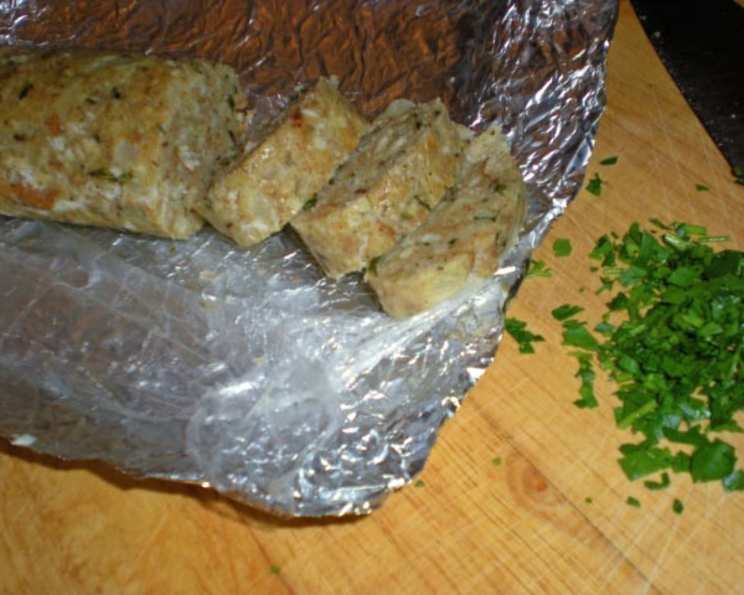
Mastering Serviettenknödel: A Culinary Journey to Authentic Bread Dumplings
The aroma instantly transports me back to my Oma’s kitchen in Bavaria. It wasn’t the perfectly manicured garden or the cuckoo clock that defined her home, but the comforting scent of simmering Serviettenknödel – soft, pillowy bread dumplings – that filled every corner. I remember standing on a wobbly stool, trying to peek into the massive pot, mesmerized by the bulging, foil-wrapped rolls bobbing gently in the water. These weren’t just dumplings; they were a hug in food form, an embodiment of family tradition, and a taste of pure, unadulterated comfort.
Recipe Overview
- Prep Time: 25 minutes
- Cook Time: 20 minutes
- Total Time: 45 minutes
- Servings: Varies, approximately 6-8 slices or 6 medium dumplings
- Yield: 1 large roll or 6 medium dumplings
- Dietary Type: Vegetarian (can be adapted to be dairy-free)
Ingredients
- 6 stale bread rolls (or 250g dry bread cubes)
- 250 ml warm milk
- 2 eggs (whole)
- 60 g butter (melted)
- 1 small onion (chopped)
- Salt (to taste)
- 1 tablespoon sour cream
- 1 dash nutmeg
- (Optional for dumplings) 50g flour
Equipment Needed
- Large mixing bowl
- Frying pan
- Large pot
- Heat-resistant cellophane wrap
- Aluminum foil
Instructions
- Begin by preparing the bread. If using stale rolls, chop them into smallish cubes. Alternatively, use pre-made dry bread cubes. This is the foundation of your Knödel, so ensure the pieces are relatively uniform in size.
- Melt the butter in a frying pan over medium heat. Add the chopped onion and sauté until translucent, stirring occasionally to prevent burning. This step infuses the butter with the savory sweetness of the onion, which will permeate the entire dumpling.
- In the same pan, add a pinch of salt and sauté until onions are golden and fragrant.
- In a large mixing bowl, whisk together the eggs, warm milk, sour cream, salt, and nutmeg. The nutmeg adds a warm, subtle spice that complements the bread beautifully.
- Transfer the butter and onion mixture to the bread cubes. Then, pour the milk and egg mixture over the bread.
- Gently mix all the ingredients together until the bread is evenly moistened. Be careful not to overmix, as this can result in a tough Knödel.
- Adjust the salt to taste. Remember that the Knödel will absorb some of the salt during cooking, so err on the side of slightly saltier than you think you need.
- Let the Knödel-dough rest for about 15 minutes. This allows the bread to fully absorb the liquid and the flavors to meld together. The mixture should be moist but not overly soggy.
- For the Serviettenknödel (bread roll): Place the rested Knödel-dough onto a large piece of heat-resistant cellophane wrap. Shape the dough into a roll approximately 2-3 inches in diameter. Wrap the dough tightly in the cellophane, twisting the ends to secure it, resembling a sausage.
- Wrap the cellophane-wrapped roll again in aluminum foil. This double layer of protection will prevent water from seeping into the Knödel during cooking.
- Bring a large pot of water to a simmer. Gently place the foil-wrapped Knödel roll into the simmering water. The water should be deep enough to completely submerge the roll.
- Let the Knödel simmer for about 20 minutes. The simmering water should be just below a boil to ensure even cooking.
- Carefully remove the Knödel from the pot. Let it cool slightly before unwrapping.
- Unwrap the Knödel and cut it into half-inch thick slices.
Alternatively, to make individual dumplings:
- For Knödel (dumplings): add 50g of flour to the dough. This will help bind the dumplings and give them a firmer texture.
- Form medium-sized dumplings with your hands. The size is up to you, but aim for consistent sizes for even cooking.
- Bring a large pot of water to a boil. Gently drop the dumplings into the boiling water.
- Reduce the heat to a simmer and let the dumplings simmer for about 20-25 minutes, or until they are cooked through. They should be firm to the touch.
Expert Tips & Tricks
- Bread Quality is Key: The quality of your bread directly impacts the final product. Use good quality, crusty bread for the best results.
- Don’t Overcrowd the Pot: When simmering the roll or dumplings, ensure there is enough space in the pot. Overcrowding can lead to uneven cooking.
- Testing for Doneness: To check if the Knödel is cooked through, insert a toothpick or skewer into the center. It should come out clean.
- Make-Ahead Magic: The Knödel-dough can be prepared a day in advance and stored in the refrigerator. This allows the flavors to meld even further. Just be sure to adjust the salt if necessary before shaping.
- Rescuing a Thin Dough: If the dough appears to be too thin, gradually add more bread cubes until it reaches the desired consistency.
Serving & Storage Suggestions
Serviettenknödel are a classic accompaniment to hearty dishes such as goulash, roasts, and sauerkraut. Serve the Knödel slices or dumplings hot, drizzled with some of the pan drippings from your main course. Garnish with fresh parsley for a pop of color.
Leftover Knödel can be stored in an airtight container in the refrigerator for up to 3 days. To reheat, simply steam them gently or pan-fry them in a little butter until warmed through. For longer storage, you can freeze cooked Knödel. Thaw them completely before reheating.
Nutritional Information
Note: The following values are estimates and may vary based on specific ingredients and serving size.
| Nutrient | Amount per Serving | % Daily Value |
|---|---|---|
| Calories | 250 kcal | 13% |
| Total Fat | 12g | 18% |
| Saturated Fat | 7g | 35% |
| Cholesterol | 80mg | 27% |
| Sodium | 400mg | 17% |
| Total Carbohydrate | 30g | 10% |
| Dietary Fiber | 2g | 8% |
| Sugars | 3g | – |
| Protein | 8g | 16% |
Variations & Substitutions
- Dairy-Free: Substitute the milk with almond or soy milk and the sour cream with a dairy-free alternative. Use olive oil instead of butter.
- Herb Infusion: Add fresh herbs like parsley, chives, or thyme to the dough for an extra layer of flavor.
- Cheese Please: Incorporate grated cheese, such as Gruyere or Parmesan, into the dough for a richer, more savory Knödel.
- Vegetarian Twist: Sauté diced mushrooms or spinach along with the onion for a vegetarian-friendly variation.
FAQs (Frequently Asked Questions)
Q: Can I use fresh bread instead of stale bread?
A: It’s best to use stale bread because it absorbs the liquid better without becoming too mushy. If using fresh bread, dry it out in a low oven beforehand.
Q: Can I make this recipe gluten-free?
A: Yes, substitute the bread with gluten-free bread or bread cubes and use gluten-free flour if making dumplings.
Q: The Knödel roll fell apart while cooking. What went wrong?
A: Ensure that the dough is tightly wrapped in both cellophane and aluminum foil to prevent water from seeping in. Also, make sure the water is simmering, not boiling vigorously.
Q: How do I know when the dumplings are cooked through?
A: The dumplings should be firm to the touch and cooked through. You can test by cutting one open; the center should be cooked and not doughy.
Q: Can I add other vegetables to the dough?
A: Absolutely! Sautéing diced carrots, celery, or leeks with the onion can add extra flavor and nutrition.
Final Thoughts
I hope this recipe inspires you to create your own batch of Serviettenknödel and experience the simple joy of this classic comfort food. Whether you’re seeking a taste of nostalgia or simply looking for a delicious side dish, these bread dumplings are sure to delight. Don’t be afraid to experiment with different flavors and variations to make them your own. And please, share your creations and feedback – I’d love to hear about your culinary adventures! Guten Appetit!