
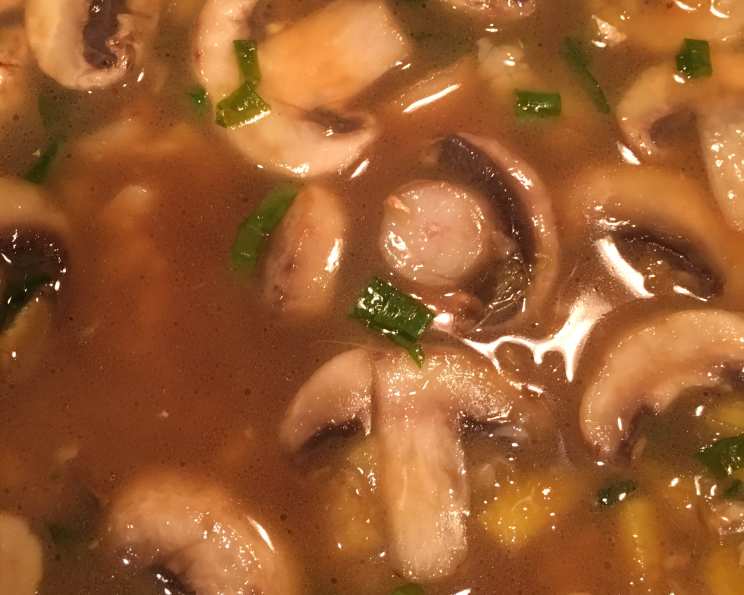
Sesame Crusted Yellowtail with Shiitake Ginger Sauce
There’s something truly magical about the ocean’s bounty, and one of my fondest childhood memories revolves around it. My grandfather, a seasoned fisherman, would often bring home Yellowtail. It wasn’t just the taste of the fish itself, so delicate and flavorful, but the entire experience that was so special. My grandmother had a special way to prepare the fish and I can still remember my grandmother’s small, cozy kitchen, filled with the aroma of toasted sesame seeds and ginger as she prepared our Yellowtail dinner. This Sesame Crusted Yellowtail recipe reminds me of those special days.
Recipe Overview
- Prep Time: 15 minutes
- Cook Time: 15 minutes
- Total Time: 30 minutes
- Servings: 2-4
- Dietary Type: Pescatarian
Ingredients
- 2-4 Yellowtail fish fillets
- Flour (for dredging)
- 1 tablespoon toasted sesame oil
- 1 tablespoon canola oil
Egg Wash:
- 1 egg
- ½ cup milk
- 3-4 tablespoons water
Sesame Seed Flour:
- ½ cup flour
- 2 tablespoons black sesame seeds
- 2 tablespoons white sesame seeds
Sauce:
- 2 garlic cloves, chopped
- 2 teaspoons fresh ginger, chopped
- 3-4 large shiitake mushroom caps, sliced (more if small)
- 2 tablespoons white wine
- ¼ cup low sodium chicken broth
- 1 tablespoon soy sauce
- 1 teaspoon honey
- 1 scallion, sliced
- 2 teaspoons unsalted butter
Equipment Needed
- Shallow bowls
- Whisk
- Frying pan
- Glass baking dish
Instructions
-
Preheat your oven to 400 degrees Fahrenheit (200 degrees Celsius).
-
Prepare the egg wash: In a shallow bowl, combine the egg, milk, and water. Whisk thoroughly to ensure the ingredients are well combined. Set aside.
-
(Optional) Toast the sesame seeds: In a dry frying pan over medium heat, toast the black and white sesame seeds until they are slightly brown and fragrant, this enhances their flavor. Watch them carefully to prevent burning. This should only take a few minutes. Remove from heat and set aside to cool slightly.
-
Prepare the sesame seed flour: In a shallow bowl, combine the flour with the toasted black and white sesame seeds. Mix well to distribute the seeds evenly.
-
Dredge the fish: Lightly dredge each yellowtail fillet in plain flour, shaking off any excess to ensure a thin, even coating.
-
Coat in egg wash: Dip the floured fillets into the egg wash, making sure they are fully coated. Allow any excess egg wash to drip off.
-
Coat in sesame seed flour: Immediately transfer the egg-washed fillets into the sesame seed flour mixture. Press gently to ensure the sesame seeds adhere well to both sides of the fish.
-
Sear the fish: Heat the toasted sesame oil and canola oil in a medium-hot skillet. Once the oil is shimmering, carefully add the sesame-crusted fillets to the skillet. Lightly brown both sides of the fish, about 2-3 minutes per side, until golden and the sesame crust is set.
-
Bake the fish: Transfer the browned fillets to a glass baking dish. Place the dish in the preheated 400°F (200°C) oven and bake for 10-15 minutes, or until the fish is cooked through and flakes easily with a fork. The cooking time will depend on the thickness of the fillets.
-
Prepare the sauce: While the fish is baking, prepare the sauce in the same skillet you used to sear the fish. If needed, add a little more oil to the skillet.
-
Sauté aromatics and mushrooms: Add the chopped garlic and ginger to the skillet and sauté for about 1 minute, until fragrant. Add the sliced shiitake mushrooms and sauté for another 3-5 minutes, until they are softened and slightly browned.
-
Deglaze and reduce: Pour in the white wine to deglaze the pan, scraping up any browned bits from the bottom of the skillet. Let the wine reduce slightly, about 1 minute.
-
Add broth, soy sauce, and honey: Add the low sodium chicken broth, soy sauce, and honey to the skillet. Bring the mixture to a simmer and let it reduce by about half, until it starts to thicken slightly, about 5-7 minutes.
-
Finish the sauce: Remove the skillet from the heat. Stir in the sliced scallions and swirl in the unsalted butter until it is melted and the sauce is glossy.
-
Serve: Once the fish is cooked, remove it from the oven and let it rest for a minute or two. Serve the sesame-crusted yellowtail fillets immediately, drizzling the shiitake ginger sauce generously over the top.
Expert Tips & Tricks
- Toasting the Sesame Seeds: Don’t skip toasting the sesame seeds! It intensifies their nutty flavor and adds a depth of aroma to the dish. Keep a close eye on them to prevent burning.
- Even Coating: For an even sesame crust, press the fish firmly into the sesame seed mixture. This helps the seeds adhere properly during cooking.
- Doneness Test: The easiest way to check if the yellowtail is done is to gently flake it with a fork. If it separates easily and is opaque throughout, it’s ready.
- Sauce Consistency: Adjust the reduction time for the sauce to achieve your preferred consistency. For a thicker sauce, simmer for a longer period.
- Ingredient Prep: Have all your ingredients prepped and ready to go before you start cooking. This will ensure a smooth and efficient cooking process.
Serving & Storage Suggestions
Serve this Sesame Crusted Yellowtail immediately for the best flavor and texture. The crispy sesame crust is best enjoyed fresh. Garnish with extra sliced scallions and a sprinkle of sesame seeds for an elegant presentation.
Leftovers can be stored in an airtight container in the refrigerator for up to 2 days. To reheat, gently warm in a skillet over low heat or in a preheated oven at 300°F (150°C) until heated through. Avoid microwaving, as it can make the crust soggy. The sauce can be stored separately and reheated gently in a saucepan.
Nutritional Information
| Nutrient | Amount per Serving | % Daily Value |
|---|---|---|
| Calories | 488.6 kcal | N/A |
| Calories from Fat | 285 g | 58% |
| Total Fat | 31.7 g | 48% |
| Saturated Fat | 7.5 g | 37% |
| Cholesterol | 111.7 mg | 37% |
| Sodium | 583.7 mg | 24% |
| Total Carbohydrate | 37.1 g | 12% |
| Dietary Fiber | 3.3 g | 13% |
| Sugars | 3.6 g | 14% |
| Protein | 13.5 g | 27% |
Variations & Substitutions
- Gluten-Free: Substitute the all-purpose flour with a gluten-free flour blend. Tamari can be used as a gluten-free alternative to soy sauce.
- Fish Variety: While this recipe is specifically for Yellowtail, it works well with other firm, mild white fish such as cod, halibut, or sea bass.
- Vegetarian Option: Replace the chicken broth with vegetable broth for a vegetarian version of the sauce. You could even add some fried tofu instead of the fish.
- Spice It Up: Add a pinch of red pepper flakes to the sauce for a touch of heat.
- Citrus Boost: Add a squeeze of lemon or lime juice to the sauce for a brighter flavor.
FAQs (Frequently Asked Questions)
Q: Can I use pre-toasted sesame seeds?
A: Yes, you can use pre-toasted sesame seeds, but toasting them yourself fresh before cooking will yield the best flavor and aroma.
Q: How do I prevent the sesame seeds from falling off during cooking?
A: Make sure to press the fish firmly into the sesame seed mixture to help them adhere. Also, searing the fish in a hot skillet before baking helps to set the crust.
Q: Can I prepare the sauce ahead of time?
A: Yes, you can prepare the sauce up to a day in advance. Store it in an airtight container in the refrigerator and reheat gently before serving.
Q: How do I know when the yellowtail is cooked through?
A: The yellowtail is cooked through when it flakes easily with a fork and is opaque throughout. Use a fork to gently separate the flesh in the thickest part of the fish to test it.
Q: What side dishes pair well with this dish?
A: This Sesame Crusted Yellowtail pairs well with a variety of side dishes, such as steamed rice, roasted vegetables, or a fresh salad.
Final Thoughts
This Sesame Crusted Yellowtail recipe is a delightful way to elevate a simple fish fillet into a gourmet meal. The combination of the crispy sesame crust and the savory-sweet shiitake ginger sauce creates a harmonious blend of flavors and textures. Give it a try and let me know what you think! Feel free to share your own variations and serving suggestions. This dish pairs wonderfully with a crisp Sauvignon Blanc or a light Japanese beer. Happy cooking!