
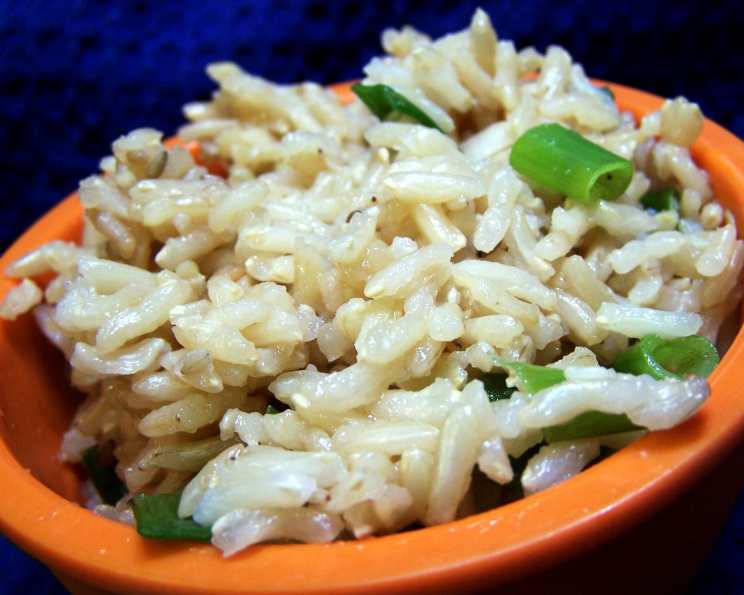
Sesame Rice: A Symphony of Flavor and Texture
I remember my first taste of sesame rice. I was a young culinary student, intimidated by the complexity of Japanese cuisine. My sensei, a stoic but kind woman named Hana, simply placed a small bowl before me. The aroma alone was intoxicating – toasty, nutty, and subtly sweet. As I lifted the first grain-perfect bite to my lips, I was captivated. The slight chewiness of the rice, the pop of the sesame seeds, the savory depth of soy sauce, all harmonized perfectly. From that moment on, sesame rice became a staple in my kitchen, a reminder of simplicity, balance, and the profound pleasure of well-prepared food.
Recipe Overview
- Prep Time: 5 minutes
- Cook Time: 45 minutes
- Total Time: 50 minutes
- Servings: 6
- Yield: About 4 cups
- Dietary Type: Vegan, Gluten-Free
Ingredients
- 1 cup brown rice
- 1 ½ teaspoons dark toasted sesame oil, divided
- 1 ½ cups water
- ⅓ cup minced scallion
- 2 tablespoons toasted sesame seeds
- 2-3 teaspoons soy sauce, to taste
Equipment Needed
- Saucepan with a tight-fitting lid
- Baking tray
Instructions
- In a saucepan with a tight-fitting lid, toss the brown rice with ½ teaspoon of the dark toasted sesame oil to coat the grains. This step is crucial for preventing the rice from sticking to the bottom of the pan and infusing it with that wonderful sesame aroma.
- Add the water, cover the saucepan tightly, and bring to a boil over medium-high heat. Once boiling, immediately reduce the heat to low and simmer until the rice is tender, about 40 to 45 minutes. Resist the urge to lift the lid during this time, as the steam is essential for proper cooking.
- After 40-45 minutes, check the rice for doneness. It should be tender and most of the water should be absorbed. If there’s still a significant amount of water, continue simmering for another 5 minutes, checking frequently.
- Once the rice is cooked, remove the saucepan from the heat and let it rest, covered, for 5 minutes. This allows the rice to finish steaming and become perfectly fluffy.
- Stir in the minced scallions, toasted sesame seeds, the remaining 1 teaspoon of dark toasted sesame oil, and soy sauce to taste. Adjust the amount of soy sauce to your preference.
- Toast the sesame seeds in a single layer on an unoiled baking tray at 350°F (175°C) for 2 to 3 minutes, until fragrant and golden. Watch them carefully, as they can burn quickly. Alternatively, you can toast them in a dry skillet over medium heat, stirring constantly, until golden. This toasting process significantly enhances their nutty flavor.
- Serve immediately and enjoy!
Expert Tips & Tricks
- Rice Variety: While this recipe calls for brown rice, you can also use other types of rice, such as short-grain white rice or even jasmine rice. Adjust the cooking time and water ratio accordingly, as different varieties absorb water at different rates. Short grain brown rice creates a stickier texture, while long grain brown rice is more fluffy.
- Toasting Sesame Seeds: Don’t skip toasting the sesame seeds! This simple step unlocks their flavor and adds a delightful crunch.
- Enhance the Flavor: For an even deeper flavor, try adding a small piece of kombu seaweed to the water while cooking the rice. Remove the kombu before serving.
- Make-Ahead Tip: The cooked rice can be made ahead of time and stored in the refrigerator for up to 3 days. Reheat gently with a splash of water before serving.
- Sesame Oil Choice: Using dark toasted sesame oil is crucial for the distinct sesame flavor. Regular sesame oil won’t provide the same depth of flavor.
Serving & Storage Suggestions
Sesame rice makes a wonderful side dish for grilled meats, fish, tofu, or vegetables. It’s also delicious served as a base for grain bowls, topped with your favorite proteins and vegetables. For a complete meal, try pairing it with some grilled salmon and steamed bok choy.
- Serving: Serve immediately while warm for the best flavor and texture. Garnish with extra sesame seeds and a sprig of fresh scallion for a beautiful presentation.
- Storage: Leftover sesame rice can be stored in an airtight container in the refrigerator for up to 3 days.
- Reheating: To reheat, add a tablespoon of water to the rice and microwave on medium heat for 1-2 minutes, or until heated through. Alternatively, you can reheat it in a skillet over low heat, stirring frequently.
- Freezing: While not ideal, cooked sesame rice can be frozen for up to 1 month. Thaw overnight in the refrigerator before reheating. Note that the texture may be slightly altered after freezing and thawing.
Nutritional Information
| Nutrient | Amount per Serving | % Daily Value |
|---|---|---|
| Calories | 153.7 kcal | N/A |
| Calories from Fat | 38g | 25% |
| Total Fat | 4.3 g | 6% |
| Saturated Fat | 0.7 g | 3% |
| Cholesterol | 0 mg | 0% |
| Sodium | 116.5 mg | 4% |
| Total Carbohydrate | 25.6 g | 8% |
| Dietary Fiber | 1.9 g | 7% |
| Sugars | 0.4 g | 1% |
| Protein | 3.6 g | 7% |
Note: Nutritional information is an estimate and may vary based on specific ingredients and preparation methods.
Variations & Substitutions
- Garlic Sesame Rice: Add 1-2 cloves of minced garlic to the saucepan along with the rice and sesame oil for a fragrant and flavorful variation.
- Ginger Sesame Rice: Similarly, add a small piece of minced ginger to the saucepan for a warm and spicy twist.
- Vegetable Sesame Rice: Stir in some cooked vegetables, such as peas, carrots, or corn, for added nutrients and color.
- Spicy Sesame Rice: Add a pinch of red pepper flakes or a dash of sriracha to the rice for a spicy kick.
- Tamari Instead of Soy Sauce: For a gluten-free option, use tamari instead of soy sauce.
- Different Oils: You can experiment with other oils, such as avocado oil or grapeseed oil, but be sure to still use toasted sesame oil for the best flavor.
FAQs (Frequently Asked Questions)
Q: Can I use white rice instead of brown rice?
A: Yes, you can use white rice. However, you will need to adjust the cooking time and water ratio. White rice typically requires less water and cooks faster than brown rice.
Q: How do I prevent the rice from sticking to the bottom of the pan?
A: Tossing the rice with sesame oil before adding the water helps to prevent sticking. Also, make sure to use a saucepan with a tight-fitting lid to trap the steam and cook the rice evenly.
Q: Can I add other vegetables to the rice?
A: Absolutely! Feel free to add cooked vegetables such as peas, carrots, corn, or broccoli to the rice after it’s cooked.
Q: Can I make this recipe in a rice cooker?
A: Yes, you can. Simply follow the manufacturer’s instructions for cooking rice in your rice cooker. Add the sesame oil and water, and then stir in the remaining ingredients after the rice is cooked.
Q: What if my rice is still too wet after the cooking time?
A: If your rice is still too wet, remove the lid and continue simmering over low heat for a few more minutes, until the excess water has evaporated.
Final Thoughts
Sesame rice is more than just a side dish; it’s a testament to the beauty of simple ingredients and mindful cooking. This recipe is an invitation to explore the nuances of flavor and texture, and to create a dish that nourishes both body and soul. I encourage you to try this recipe, experiment with different variations, and share your creations with loved ones. Perhaps you’ll even create your own cherished memories centered around this humble yet extraordinary grain. Pair it with a crisp sake or a refreshing green tea for a truly delightful experience. Happy cooking!