
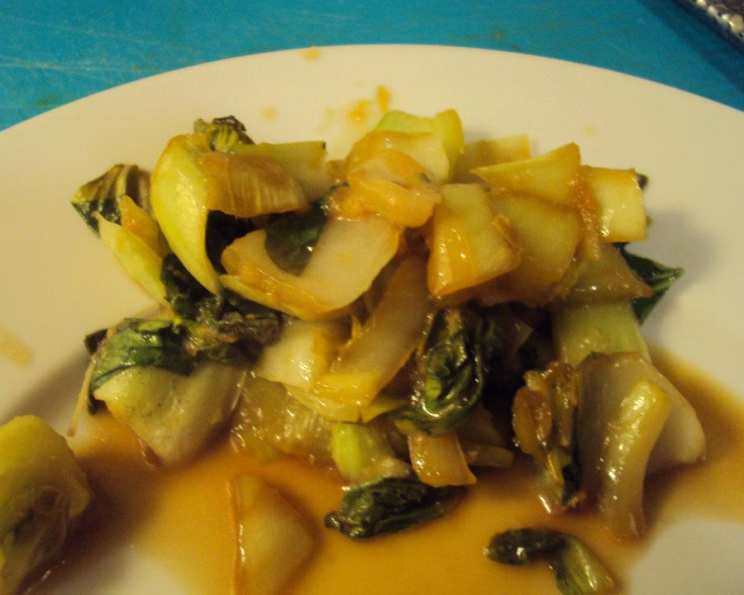
Sesame Soy Braised Bok Choy: A Flavorful Celebration of Simplicity
The scent of ginger and garlic sizzling in peanut oil instantly transports me back to my tiny apartment kitchen in culinary school. I was experimenting with Asian flavors, trying to impress my roommates with something beyond instant noodles. One particularly memorable evening, I stumbled upon braising bok choy – a revelation in its simplicity and the depth of flavor it unlocked. The tender greens, infused with the savory-sweet notes of soy and sesame, became a regular on our table, a testament to how a few humble ingredients, skillfully combined, could create a truly unforgettable dish. This recipe is a faithful recreation of that very dish.
Recipe Overview
- Prep Time: 10 minutes
- Cook Time: 10 minutes
- Total Time: 20 minutes
- Servings: 4
- Yield: 4 servings
- Dietary Type: Vegan
Ingredients
- 1 head bok choy
- 2 tablespoons peanut oil
- 1 tablespoon grated ginger
- 1 tablespoon minced garlic
- 1⁄2 cup chicken stock (Vegetable stock for vegan option)
- 1 tablespoon toasted sesame oil
- 2 tablespoons soy sauce (Tamari for gluten-free option)
- 2 teaspoons rice vinegar
- 1 teaspoon sugar
- Salt and pepper to taste
- 2 tablespoons sesame seeds
Equipment Needed
- Large Heavy Skillet
Instructions
-
Begin by preparing the bok choy. Trim the base of the bok choy to separate the leaves. Slice the leafy portion from the stalks. Cut both the leaves and stalks into large matchstick-sized pieces, keeping the stalks and leaves in separate piles. This ensures even cooking as the stalks require slightly more time.
-
Heat a large heavy skillet over medium-high heat until hot. A well-seasoned cast iron skillet works wonders, but any heavy-bottomed pan will do. Add the peanut oil and coat the pan evenly. The oil should shimmer slightly.
-
Add the bok choy stems to the hot skillet. Stir-fry for about 5 minutes, or until they begin to soften slightly. Stir frequently to prevent burning and ensure even cooking. The goal is to get a slight char on the stems, which adds depth to the flavor.
-
Add the grated ginger and minced garlic to the skillet. Stir-fry briefly, about 30 seconds, until fragrant. Be careful not to burn the garlic, as it can turn bitter quickly.
-
Add the bok choy greens, chicken stock (or vegetable stock), sesame oil, soy sauce, rice vinegar, sugar, salt, and pepper to taste. Give everything a good stir to combine all the ingredients.
-
Cover the skillet, reduce the heat to medium-low, and cook until the bok choy is tender and glazed with the sauce, about 5-8 minutes. The bok choy should be vibrant green and easily pierced with a fork.
-
Remove the cover, sprinkle with sesame seeds, and increase the heat to medium-high. This allows the sauce to thicken and the sesame seeds to toast slightly, enhancing their flavor.
-
Cook until the liquid evaporates, about 2-3 minutes, stirring constantly to prevent sticking. The bok choy should be nicely glazed with a rich, savory sauce.
Expert Tips & Tricks
- For a richer flavor, use dark soy sauce in addition to regular soy sauce. A splash of Shaoxing wine can also elevate the dish.
- Don’t overcrowd the pan. If necessary, cook the bok choy in batches to ensure it cooks evenly and develops a nice sear.
- Toasting the sesame seeds before adding them to the dish brings out their nutty flavor even more. Simply toast them in a dry skillet over medium heat for a few minutes until golden brown and fragrant.
- If you prefer a thicker sauce, you can whisk together a cornstarch slurry (1 tablespoon cornstarch mixed with 2 tablespoons water) and add it to the skillet during the last minute of cooking.
- For added heat, incorporate a pinch of red pepper flakes or a drizzle of chili oil.
Serving & Storage Suggestions
Serve the Sesame Soy Braised Bok Choy hot as a side dish to accompany grilled chicken, fish, or tofu. It also makes a delicious addition to rice bowls or noodle dishes. Garnish with extra sesame seeds and a sprinkle of chopped scallions for a pop of color.
Leftovers can be stored in an airtight container in the refrigerator for up to 3 days. Reheat gently in a skillet over medium heat, adding a splash of water or broth if needed to prevent sticking. The bok choy may lose some of its crispness upon reheating, but the flavor will still be delicious. Freezing is not recommended, as the texture of the bok choy will suffer.
Nutritional Information
| Nutrient | Amount per Serving | % Daily Value |
|---|---|---|
| Calories | 170.5 kcal | N/A |
| Calories from Fat | N/A | 70% |
| Total Fat | 13.2 g | 20% |
| Saturated Fat | 2.1 g | 10% |
| Cholesterol | 0.9 mg | 0% |
| Sodium | 683.4 mg | 28% |
| Total Carbohydrate | 9.9 g | 3% |
| Dietary Fiber | 2.9 g | 11% |
| Sugars | 4.2 g | 16% |
| Protein | 5.9 g | 11% |
Note: Nutritional information is an estimate and may vary based on specific ingredients and preparation methods.
Variations & Substitutions
- Vegan: Use vegetable stock instead of chicken stock.
- Gluten-Free: Substitute soy sauce with tamari.
- Spicy: Add a pinch of red pepper flakes or a drizzle of chili oil.
- Vegetables: Feel free to add other vegetables like mushrooms, bell peppers, or snow peas.
- Protein: Incorporate tofu or edamame for a more substantial dish.
- Nut Butter: Add a tablespoon of peanut butter or almond butter for a creamier sauce.
FAQs (Frequently Asked Questions)
Q: Can I use baby bok choy for this recipe?
A: Absolutely! Baby bok choy is a great option. Simply halve or quarter it before adding it to the skillet.
Q: Can I make this dish ahead of time?
A: While it’s best served fresh, you can prepare the bok choy and sauce separately ahead of time. Store them in the refrigerator and combine them just before cooking.
Q: How do I prevent the garlic from burning?
A: Add the garlic after the bok choy stems have cooked for a few minutes. This will prevent it from burning and ensure it remains fragrant.
Q: Can I use a different type of oil?
A: While peanut oil is recommended for its high smoke point and neutral flavor, you can use other oils like canola oil or vegetable oil.
Q: How do I know when the bok choy is done?
A: The bok choy is done when the stems are tender and the leaves are wilted but still vibrant green. It should be easily pierced with a fork.
Final Thoughts
This Sesame Soy Braised Bok Choy recipe is a testament to the beauty of simple, flavorful cooking. It’s a dish that’s both quick and easy to prepare, yet delivers a satisfying depth of flavor that will impress your family and friends. I encourage you to try this recipe and make it your own. Don’t be afraid to experiment with different variations and substitutions to suit your taste. Serve it alongside your favorite protein or grain, and enjoy the deliciousness that this humble vegetable has to offer. I’d love to hear about your experience – feel free to share your feedback and any creative twists you add!