
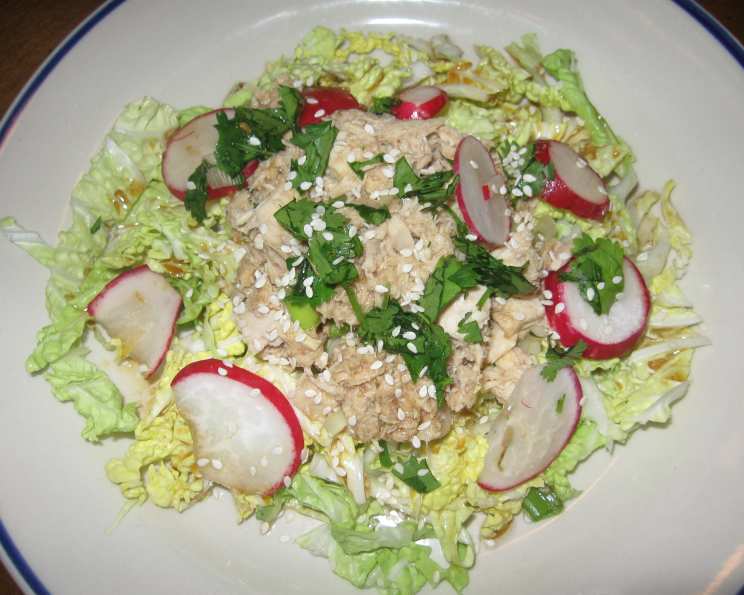
Sesame Tuna Salad: A Flavorful Twist on a Classic
The first time I tasted something similar to this Sesame Tuna Salad was at a tiny cafe in San Francisco’s Japantown. I was a young, wide-eyed culinary student, and the vibrant colors and intriguing aromas coming from a simple tuna salad completely captivated me. It wasn’t the heavy, mayonnaise-laden version I’d grown up with. Instead, it was light, refreshing, and bursting with Asian-inspired flavors – a symphony of sesame, soy, and ginger that danced on my palate. That humble salad sparked a lifelong passion for exploring global flavors and elevating everyday ingredients, and this recipe is my homage to that memorable experience.
Recipe Overview
- Prep Time: 20 minutes
- Cook Time: 0 minutes
- Total Time: 20 minutes
- Servings: 4
- Yield: 4 servings
- Dietary Type: Dairy-Free
Ingredients
- 1⁄4 cup rice vinegar (may substitute lemon juice)
- 3 tablespoons canola oil (can reduce to 2 tablespoons)
- 2 tablespoons reduced-sodium soy sauce
- 1 tablespoon toasted sesame oil (can reduce to 1/2 tablespoon)
- 1 1⁄2 teaspoons sugar (may substitute Splenda)
- 1 1⁄2 teaspoons minced fresh ginger
- 2 (6 ounce) cans water-packed chunk light tuna, drained
- 1 cup sliced sugar snap peas (may substitute snow peas)
- 2 scallions, sliced
- 6 cups thinly sliced napa cabbage
- 4 radishes, sliced (may substitute red bell pepper)
- 1⁄4 cup fresh cilantro leaves
- 1 tablespoon sesame seeds (may substitute sunflower seeds)
- Freshly ground pepper
Equipment Needed
- Small bowl
- Medium bowl
- Whisk
- Plates or bowls for serving
Instructions
-
In a small bowl, whisk together the rice vinegar (or lemon juice), canola oil, soy sauce, sesame oil, sugar (or Splenda), and minced fresh ginger. This vibrant mixture forms the base of our flavorful dressing. Ensure all ingredients are fully incorporated for a smooth and balanced taste.
-
In a medium bowl, combine 3 tablespoons of the dressing with the drained tuna, sugar snap peas (or snow peas), and sliced scallions. Gently toss the mixture to coat the ingredients evenly. Be careful not to overmix the tuna, as this can result in a mushy texture.
-
Divide the thinly sliced napa cabbage among 4 plates. This provides a crisp and refreshing bed for the tuna salad. Arrange the cabbage artfully on each plate, ensuring an even distribution.
-
Mound one-fourth of the tuna mixture (approximately 1/2 cup) in the center of each plate. The tuna mixture should sit attractively atop the cabbage, creating a visually appealing presentation.
-
Garnish each plate with the sliced radishes (or red bell pepper), fresh cilantro leaves, and sesame seeds (or sunflower seeds). These garnishes add a pop of color, texture, and flavor complexity to the salad.
-
Drizzle the remaining dressing (approximately 2 tablespoons per salad) over each plate. The dressing adds a final layer of flavor and moisture to the salad. Be sure to distribute it evenly over the ingredients.
-
Season the salads with freshly ground pepper to taste. A dash of freshly ground pepper elevates the flavors and provides a subtle kick. Serve immediately and enjoy!
Expert Tips & Tricks
- Toast your sesame seeds: Lightly toasting sesame seeds in a dry pan for a few minutes before adding them to the salad intensifies their nutty flavor. Watch them carefully, as they burn easily.
- Ginger Prep: For easier mincing, peel your ginger with the edge of a spoon. This helps to get into all of the nooks and crannies.
- Make it ahead: The dressing can be made up to 2 days in advance and stored in the refrigerator. The tuna mixture can also be prepared a few hours ahead, but wait to assemble the salad until just before serving to prevent the cabbage from wilting.
- Spice it up: Add a pinch of red pepper flakes to the dressing for a touch of heat.
- Flavor Boost: Amp up the umami by adding a dash of fish sauce to the dressing, adjusting soy sauce to taste.
Serving & Storage Suggestions
Serve this Sesame Tuna Salad immediately after assembling to ensure the cabbage remains crisp and the flavors are at their peak. It’s a perfect light lunch or dinner option.
If you have leftovers, store the tuna mixture separately from the cabbage in airtight containers in the refrigerator. The tuna mixture will last for up to 2 days, but the cabbage is best consumed immediately. When ready to eat, simply combine the tuna mixture with fresh cabbage and garnishes. Reheating is not recommended.
Nutritional Information
| Nutrient | Amount per Serving | % Daily Value |
|---|---|---|
| Calories | 278.1 kcal | N/A |
| Calories from Fat | 144 g | 52% |
| Total Fat | 16.1 g | 24% |
| Saturated Fat | 1.7 g | 8% |
| Cholesterol | 25.6 mg | 8% |
| Sodium | 569 mg | 23% |
| Total Carbohydrate | 9.8 g | 3% |
| Dietary Fiber | 3 g | 12% |
| Sugars | 4.1 g | 16% |
| Protein | 24.7 g | 49% |
Variations & Substitutions
- Gluten-Free: Ensure your soy sauce is gluten-free by using tamari.
- Vegan: Substitute the tuna with chickpeas or marinated tofu.
- Vegetarian: Use hearts of palm for a similar texture to tuna.
- Different Greens: Feel free to substitute other greens for the Napa cabbage, such as romaine lettuce, spinach, or mixed greens.
- Nutty Crunch: Add some chopped almonds or walnuts for extra texture.
- Citrus Zest: Add some orange or lemon zest to the dressing for some extra zing.
FAQs (Frequently Asked Questions):
Q: Can I use regular soy sauce instead of reduced-sodium?
A: Yes, but be mindful of the saltiness. You may want to reduce the amount used or add a touch more sugar or rice vinegar to balance the flavors.
Q: Can I use different types of tuna?
A: Absolutely! While chunk light tuna is budget-friendly, you can substitute it with albacore or even fresh tuna steaks that have been seared and flaked.
Q: Is there a substitute for sesame oil?
A: Sesame oil has a very distinct flavor, but if you don’t have it on hand, you can use a small amount of toasted nut oil (like walnut oil) as a substitute. The flavor won’t be identical, but it will still add a pleasant nuttiness.
Q: How long can I store the assembled salad?
A: It’s best to eat the salad immediately after assembling. The napa cabbage will wilt if it sits too long with the dressing. If you need to prepare it ahead of time, keep the dressing separate and add it just before serving.
Q: Can I add other vegetables to the salad?
A: Definitely! Feel free to add other vegetables such as shredded carrots, chopped cucumbers, or edamame for extra crunch and nutrients.
Final Thoughts
I encourage you to try this delightful Sesame Tuna Salad and experience its refreshing flavors for yourself. Don’t be afraid to experiment with the ingredients and make it your own. It’s a fantastic way to elevate a simple can of tuna into a sophisticated and satisfying meal. Share your creations and feedback – I’d love to hear what you think! This salad pairs beautifully with a chilled glass of Sauvignon Blanc or a crisp, dry rosé. Enjoy!