
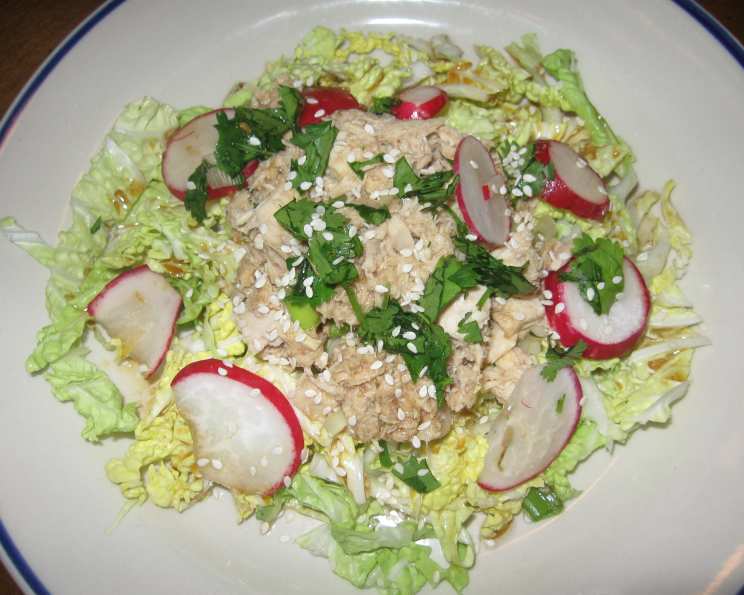
Sesame Tuna Salad: A Flavorful Twist on a Classic
For years, the humble can of tuna held a special place in my pantry, a reliable ingredient for quick lunches. But let’s be honest, tuna salad can sometimes feel a little…predictable. That’s why I love this particular recipe so much. It transforms ordinary tuna into something truly vibrant and exciting, a far cry from the mayonnaise-laden salads of my youth. The bright flavors and crunchy textures make it a dish I genuinely crave.
Recipe Overview
- Prep Time: 20 minutes
- Cook Time: 0 minutes
- Total Time: 20 minutes
- Servings: 4
- Dietary Type: Pescatarian, Gluten-Free (check soy sauce label)
Ingredients
- 1⁄4 cup rice vinegar (may sub lemon juice)
- 3 tablespoons canola oil (or other neutral oil)
- 2 tablespoons reduced-sodium soy sauce
- 1 tablespoon toasted sesame oil
- 1 1⁄2 teaspoons sugar (or your preferred sweetener)
- 1 1⁄2 teaspoons minced fresh ginger
- 2 (6 ounce) cans water-packed chunk light tuna, drained
- 1 cup sliced sugar snap peas (may sub snow peas)
- 2 scallions, sliced
- 6 cups thinly sliced napa cabbage
- 4 radishes, sliced (or red bell pepper, sliced)
- 1⁄4 cup fresh cilantro leaves
- 1 tablespoon sesame seeds (or sunflower seeds)
- Freshly ground pepper, to taste
Equipment Needed
- Small bowl
- Medium bowl
- 4 plates
Instructions
- In a small bowl, whisk together the rice vinegar (or lemon juice), canola oil, soy sauce, sesame oil, sugar (or sweetener), and minced fresh ginger. This is your flavorful dressing.
- In a medium bowl, combine 3 tablespoons of the dressing with the drained tuna, sugar snap peas (or snow peas), and sliced scallions. Gently mix until the ingredients are coated.
- Divide the thinly sliced napa cabbage evenly among four plates.
- Mound one-fourth of the tuna mixture (about 1/2 cup) in the center of each plate.
- Garnish each salad with sliced radishes (or red bell pepper), fresh cilantro leaves, and sesame seeds (or sunflower seeds).
- Drizzle each salad with the remaining dressing (about 2 tablespoons per salad).
- Season with freshly ground pepper to taste.
Expert Tips & Tricks
- Toast the Sesame Seeds: For an extra layer of flavor, lightly toast the sesame seeds in a dry skillet over medium heat until fragrant, about 2-3 minutes, before adding them to the salad. Watch them carefully, as they can burn quickly.
- Ginger Prep: To easily peel fresh ginger, use the edge of a spoon to scrape away the skin. It’s much more effective than a paring knife and minimizes waste.
- Make-Ahead Potential: The dressing can be made a day in advance and stored in the refrigerator. The tuna mixture can also be prepared ahead of time, but wait to combine it with the cabbage and garnish until just before serving to prevent the cabbage from wilting.
- Oil Adjustment: The recipe calls for 3 tablespoons of canola oil. If you prefer a lighter dressing, you can reduce the amount to 2 tablespoons without significantly impacting the flavor.
- Soy Sauce Consideration: Because sodium levels in soy sauce can vary greatly between brands, you may want to taste your dressing before adding any salt.
- Citrus Zing: For a brighter, more citrusy flavor, add a teaspoon of lime or lemon zest to the dressing.
Serving & Storage Suggestions
This Sesame Tuna Salad is best served immediately after assembly to maintain the crispness of the cabbage and the freshness of the other ingredients. If you have leftovers, store the tuna mixture separately from the dressed cabbage in airtight containers in the refrigerator. The tuna mixture will last for up to 2 days. The dressed cabbage is best consumed within a few hours, as it will become soggy over time. Reheating is not recommended, as it will negatively affect the texture of the salad.
Nutritional Information
| Nutrient | Amount per Serving | % Daily Value |
|---|---|---|
| Calories | 278.1 kcal | N/A |
| Calories from Fat | 144 g | N/A |
| Total Fat | 16.1 g | 24% |
| Saturated Fat | 1.7 g | 8% |
| Cholesterol | 25.6 mg | 8% |
| Sodium | 569 mg | 23% |
| Total Carbohydrate | 9.8 g | 3% |
| Dietary Fiber | 3 g | 12% |
| Sugars | 4.1 g | N/A |
| Protein | 24.7 g | 49% |
Note: Nutritional information is an estimate and may vary based on specific ingredients and portion sizes.
Variations & Substitutions
- Spicy Kick: Add a pinch of red pepper flakes to the dressing for a touch of heat. Or include a drizzle of Sriracha or chili oil as a garnish.
- Vegetarian Option: For a vegetarian version, substitute the tuna with chickpeas or edamame. Mash them slightly for a similar texture.
- Grain Bowl: Serve the tuna salad over a bed of quinoa, brown rice, or other whole grains for a heartier meal.
- Lettuce Wraps: Instead of napa cabbage, use crisp lettuce leaves (like butter lettuce or romaine) as wraps for the tuna mixture.
- Avocado Addition: Diced avocado adds creaminess and healthy fats to the salad.
- Cucumber Crunch: Add diced cucumber for extra freshness and crunch.
- Different Greens: Feel free to experiment with different greens. Spinach, kale (massaged to soften it), or mixed greens would all work well.
- Nut Allergy: If you have a nut allergy, omit the sesame seeds entirely or substitute with pepitas (pumpkin seeds).
FAQs (Frequently Asked Questions)
Q: Can I use tuna packed in oil instead of water?
A: While you can use tuna packed in oil, it will significantly increase the fat content of the salad. If you do, drain the tuna very well before using it. You might also want to reduce the amount of canola oil in the dressing.
Q: I don’t have rice vinegar. What is the best substitute?
A: Lemon juice is a great substitute for rice vinegar. White wine vinegar is another option, though it has a slightly stronger flavor.
Q: Can I make this ahead of time?
A: You can prepare the dressing and tuna mixture ahead of time, but it’s best to assemble the salad just before serving to prevent the cabbage from wilting.
Q: Is this recipe gluten-free?
A: The recipe is naturally gluten-free, but be sure to check the label of your soy sauce to ensure it is gluten-free. Many brands contain wheat. Tamari is a good gluten-free alternative to soy sauce.
Q: Can I use frozen ginger instead of fresh?
A: While fresh ginger is preferable for its brighter flavor, you can use frozen minced ginger in a pinch. Use about 1/2 teaspoon of frozen ginger for every 1 1/2 teaspoons of fresh ginger.
Final Thoughts
I hope this Sesame Tuna Salad brightens your day as much as it brightens mine. It’s a simple recipe with a big payoff – a satisfying and flavorful meal that’s perfect for a quick lunch or a light dinner. Don’t be afraid to experiment with the variations and substitutions to make it your own. I encourage you to give this recipe a try and let me know what you think! Pair it with a chilled glass of green tea or a crisp Sauvignon Blanc for a truly delightful experience.