
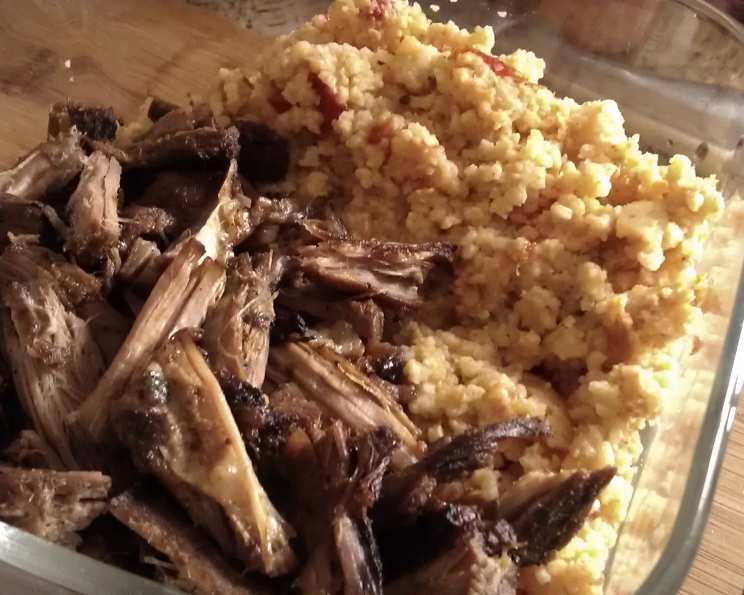
Seswaa: Botswana’s Soulful Stewed Beef
The aroma always brings me back. I remember visiting my Aunt Mpho in Gaborone as a child. The rich, savory scent of slowly simmering beef would fill her small house, a promise of the comforting feast to come. We’d gather around a low table, sharing stories and laughter as we scooped up tender chunks of Seswaa with steaming mounds of pap – a simple yet profound expression of love and connection through food. It wasn’t just a meal; it was a feeling of belonging, a taste of home that transcended borders.
Recipe Overview
- Prep Time: 15 minutes
- Cook Time: 2 hours 40 minutes to 3 hours 10 minutes
- Total Time: 2 hours 55 minutes to 3 hours 25 minutes
- Servings: 4
- Dietary Type: Paleo
Ingredients
- 1 tablespoon vegetable oil
- 1 1/2 lbs beef stew meat, cut into 2-inch chunks
- Salt, to taste
- Water, to cover
Equipment Needed
- Dutch oven
- Oven
- Fork or shredding claws
Instructions
-
Preheat your oven to 300 degrees F (150 degrees C). This low and slow cooking method is key to achieving the signature tenderness of Seswaa.
-
Place your Dutch oven on the stovetop over medium-high heat. Add the vegetable oil and let it heat up until it shimmers.
-
Add the beef stew meat to the Dutch oven. It’s important not to overcrowd the pot, so work in batches if necessary. Brown the beef on all sides, turning occasionally, for about 10 minutes. This step is crucial for developing a deep, rich flavor. Don’t rush it!
-
Season the browned beef generously with salt. Remember that this is the only seasoning used in traditional Seswaa, so make sure it’s well-seasoned.
-
Pour water into the Dutch oven until the beef is completely covered. Ensure the meat is submerged by at least an inch of water for even cooking.
-
Bring the contents of the Dutch oven to a boil on the stovetop. Once boiling, cover the Dutch oven with its lid.
-
Carefully transfer the covered Dutch oven to the preheated oven. Cook for 2 1/2 to 3 hours, or until the beef is incredibly tender and easily falls apart. Check the meat’s tenderness after 2 1/2 hours. If it still requires more time, continue cooking until fork-tender.
-
Remove the Dutch oven from the oven and place it back on the stovetop. Carefully remove the beef from the pot using a slotted spoon or tongs and place it in a bowl.
-
Use two forks or shredding claws to shred the beef into smaller, manageable pieces. The meat should be so tender that it shreds effortlessly.
-
Return the shredded beef to the Dutch oven, combining it with the remaining liquid.
-
Taste the stew and adjust the seasoning with additional salt, if needed. Remember, simplicity is key, but proper seasoning is essential.
-
At this point, you can choose to reduce the liquid in the pot to your liking. If you prefer a thicker consistency, simmer the stew on the stovetop over medium heat, uncovered, until the liquid has reduced to your desired thickness. This could take an additional 15-30 minutes. Be sure to stir frequently to prevent sticking. You can also add a cornstarch slurry (1 tablespoon cornstarch mixed with 2 tablespoons of cold water) to thicken the sauce if desired.
Expert Tips & Tricks
- Browning is Key: Don’t skimp on the browning step. A deep, rich sear on the beef is essential for developing the characteristic flavor of Seswaa.
- Low and Slow: The low oven temperature and long cooking time are crucial for tenderizing the beef. This is not a recipe to rush.
- Salt is Your Friend: Seswaa relies solely on salt for seasoning, so don’t be afraid to season generously. Taste and adjust as needed throughout the cooking process.
- Liquid Consistency: The traditional method involves letting the stew simmer in its own juices, but for a richer, thicker sauce, consider adding a small amount of beef broth during the initial cooking stage.
- Make Ahead: Seswaa is a great dish to make ahead of time. The flavors deepen and meld together beautifully overnight.
Serving & Storage Suggestions
Seswaa is traditionally served with pap (a stiff cornmeal porridge), but it also pairs well with polenta, mashed potatoes, rice, or even samp (a type of dried corn). Serve it hot, garnished with a sprig of parsley or cilantro for a pop of color.
Leftover Seswaa can be stored in an airtight container in the refrigerator for up to 3-4 days. It can also be frozen for up to 2-3 months. Thaw it overnight in the refrigerator before reheating.
To reheat, gently warm the Seswaa in a saucepan over medium heat, stirring occasionally. You may need to add a splash of water or beef broth if it has thickened too much during storage. Alternatively, you can reheat it in the microwave in 1-2 minute intervals, stirring in between, until heated through.
Nutritional Information
| Nutrient | Amount per Serving | % Daily Value |
|---|---|---|
| Calories | 247.8 kcal | N/A |
| Calories from Fat | N/A | 40% |
| Total Fat | 11 g | 16% |
| Saturated Fat | 3.7 g | 18% |
| Cholesterol | 108.9 mg | 36% |
| Sodium | 136.1 mg | 5% |
| Total Carbohydrate | 0.3 g | 0% |
| Dietary Fiber | 0 g | 0% |
| Sugars | 0 g | 0% |
| Protein | 37 g | 74% |
Note: Nutritional information is an estimate and may vary based on specific ingredients and preparation methods.
Variations & Substitutions
- Lamb Seswaa: Substitute the beef stew meat with lamb stew meat for a different, equally delicious flavor profile.
- Oxtail Seswaa: Oxtail adds a richness and depth of flavor that is truly exceptional. Be prepared for a longer cooking time, as oxtail requires more time to become tender.
- Spicy Seswaa: Add a pinch of dried chili flakes or a chopped fresh chili (like a bird’s eye chili) during the browning stage for a touch of heat. Be cautious with the amount, as you want to complement the flavor, not overpower it.
- Herb Infusion: While traditional Seswaa relies solely on salt, you can experiment with adding a few sprigs of fresh thyme or rosemary to the Dutch oven during the cooking process for a subtle herbal aroma. Remember to remove the herbs before serving.
- Beer Braised Seswaa: Replace half of the water with a dark beer like stout or porter for a deeper, maltier flavor.
FAQs (Frequently Asked Questions)
Q: Can I make Seswaa in a slow cooker?
A: Yes, you can! Brown the beef as instructed, then transfer it to a slow cooker with the salt and water. Cook on low for 6-8 hours, or until the beef is very tender. Shred the beef and return it to the slow cooker for another 30 minutes to combine the flavors.
Q: Is it necessary to brown the beef?
A: While you can skip this step in a pinch, browning the beef is highly recommended. It adds a depth of flavor and color to the stew that you won’t achieve otherwise.
Q: Can I add vegetables to Seswaa?
A: Traditional Seswaa is a very simple dish with minimal ingredients. However, if you want to add vegetables, consider including root vegetables like carrots, potatoes, or parsnips during the last hour of cooking.
Q: How can I thicken the sauce if I don’t want to boil it down?
A: You can use a cornstarch slurry (1 tablespoon cornstarch mixed with 2 tablespoons of cold water) to thicken the sauce. Add it to the stew during the last 15 minutes of cooking, stirring constantly until thickened.
Q: What is pap, and where can I find it?
A: Pap is a traditional cornmeal porridge that is a staple food in many African countries. You can find it at African grocery stores, or you can make it yourself using cornmeal, water, and salt. Polenta makes a good substitute.
Final Thoughts
Seswaa is more than just a recipe; it’s a culinary journey to Botswana, a taste of tradition, and a celebration of simple, honest ingredients. I encourage you to try this recipe and experience the comforting flavors for yourself. Don’t be afraid to put your own spin on it, and feel free to share your feedback and experiences. Serve it with a side of creamy polenta and a crisp green salad, and let the rich, savory aroma transport you to the heart of Africa. Bon appétit!