
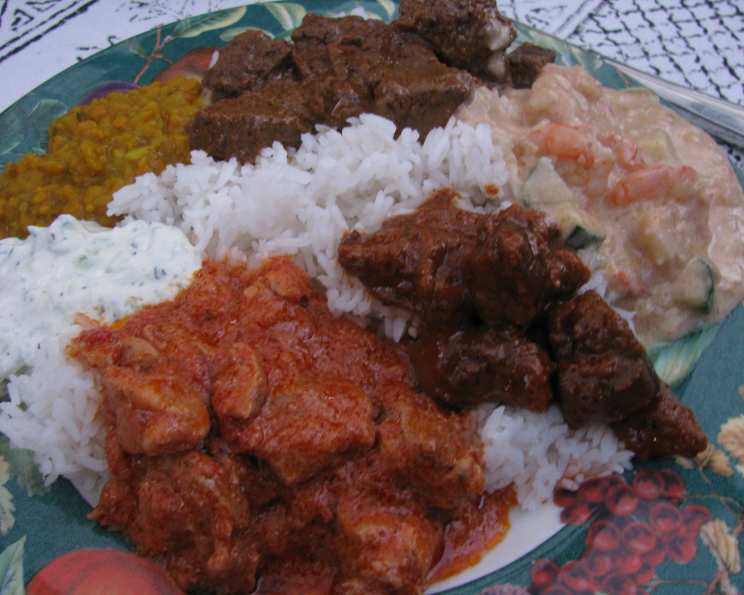
Shahi Korma: A Culinary Journey to Royal India
The first time I tasted Shahi Korma, I was swept away to a different world. It wasn’t just the rich, creamy sauce or the tender morsels of lamb, but the symphony of delicate spices that danced on my palate. I was at a wedding in Delhi, amidst vibrant colours and intoxicating aromas, and that single bite transported me to the heart of royal kitchens, where centuries of culinary tradition blended seamlessly with the joy of celebration. The memory of that first korma, fragrant with cardamom and touched by the sweetness of cream, remains etched in my culinary soul, a constant reminder of the power of food to evoke emotions and connect us to distant places.
Recipe Overview
- Prep Time: 20 minutes
- Cook Time: 1 hour 20 minutes (lamb) / 2 hours 20 minutes (beef)
- Total Time: 1 hour 40 minutes (lamb) / 2 hours 40 minutes (beef)
- Servings: 6
- Yield: About 8 cups
- Dietary Type: Not suitable for Dairy-Free or Gluten-Free (unless modified)
Ingredients
- 8 cloves garlic
- 1 (1-inch cube) piece fresh ginger
- 5 tablespoons slivered almonds, blanched
- 1 cup water or 1 cup beef broth (use broth for beef korma)
- 7 tablespoons vegetable oil
- 2 lbs boned lamb, cut into 1-inch cubes, or 2 lbs beef, cut into 1-inch cubes
- 10 whole cardamom pods
- 6 whole cloves
- 1 (1-inch long) cinnamon stick
- 2 medium onions, chopped
- 1 teaspoon ground coriander
- 2 teaspoons ground black cumin
- ½ teaspoon cayenne pepper
- 1 ¼ teaspoons salt
- 1 ¼ cups heavy cream
- ¼ teaspoon garam masala
Equipment Needed
- Blender
- Wide, heavy pot or wok (non-stick preferred)
- Slotted spoon
Instructions
-
Begin by preparing the aromatic paste. Place the garlic, ginger, almonds, and 6 tablespoons of water into a blender. Blend until you achieve a smooth, consistent paste.
-
Next, heat the vegetable oil in a wide, heavy pot or wok over medium-high heat. A non-stick surface is highly recommended to prevent sticking and ensure even browning.
-
Once the oil is hot, carefully add the meat (either lamb or beef) in batches. Be sure not to overcrowd the pot. The meat should lie in a single layer to ensure proper browning.
-
Brown the meat pieces on all sides, turning them frequently to achieve an even colour. This step is crucial for developing a rich, complex flavour. Once browned, remove the meat with a slotted spoon and transfer it to a bowl.
-
Repeat the browning process with the remaining meat, ensuring that each piece is nicely seared.
-
Now, infuse the oil with fragrant spices. Add the cardamom pods, cloves, and cinnamon stick to the hot oil.
-
Almost immediately, the cloves will begin to expand, releasing their aroma.
-
Add the chopped onions to the pot.
-
Stir and fry the onions until they turn a rich brownish colour. This caramelization process is essential for the depth of flavour in the korma.
-
Reduce the heat to medium. Add the paste from the blender to the pot, along with the ground coriander, ground black cumin, and cayenne pepper.
-
Stir and fry this mixture for 3-4 minutes, or until it too has browned slightly. This step helps to release the aroma of the spices and meld the flavours together.
-
Return the browned meat cubes to the pot, along with any accumulated liquid from the meat bowl. Add the salt, heavy cream, and the remaining water or beef broth (if using beef). If preparing beef, you may need to add a bit more liquid to ensure it remains submerged during the longer cooking time.
-
Bring the mixture to a boil.
-
Reduce the heat to low, cover the pot tightly, and simmer. For lamb, simmer for 1 hour. For beef, simmer for 2 hours.
-
Stir the korma frequently during the cooking period to prevent sticking and ensure even cooking.
-
Skim off any fat that rises to the top of the sauce. This will result in a smoother, richer final product.
-
In the final moments of cooking, sprinkle in the garam masala and mix well to incorporate. The garam masala adds a final layer of warmth and complexity to the flavour profile.
Expert Tips & Tricks
- Meat Tenderness: Ensure the meat is truly tender by testing it with a fork. If it’s not quite there, continue simmering for another 15-30 minutes, checking periodically.
- Creaminess Level: For a richer, more decadent korma, consider adding a tablespoon or two of ground cashews to the blender with the other paste ingredients. This will add a beautiful, velvety texture.
- Browning is Key: Don’t skimp on browning the meat and onions. This step develops the deep, savoury flavours that are essential to a good korma.
- Spice Adjustment: Adjust the amount of cayenne pepper to your personal spice preference. If you prefer a milder dish, reduce the amount or omit it entirely.
- Make-Ahead Tip: The korma can be made a day ahead of time. The flavours will meld and deepen overnight. Simply reheat gently before serving.
Serving & Storage Suggestions
Serve the Shahi Korma hot, garnished with fresh cilantro and a swirl of cream. It pairs beautifully with basmati rice, naan bread, or even a side of raita (yogurt dip). For a truly royal experience, offer a selection of Indian pickles and chutneys alongside.
Leftovers can be stored in an airtight container in the refrigerator for up to 3 days. To reheat, gently warm the korma in a saucepan over low heat, stirring occasionally, or microwave in short intervals. You may need to add a splash of water or broth to prevent it from drying out.
While freezing is possible, the cream sauce may slightly separate upon thawing. To minimize this, cool the korma completely before transferring it to a freezer-safe container. Thaw overnight in the refrigerator and reheat gently as described above.
Nutritional Information
| Nutrient | Amount per Serving | % Daily Value |
|---|---|---|
| Calories | 371.6 kcal | N/A |
| Calories from Fat | 337 g | 91% |
| Total Fat | 37.5 g | 57% |
| Saturated Fat | 13.8 g | 69% |
| Cholesterol | 67.9 mg | 22% |
| Sodium | 511.9 mg | 21% |
| Total Carbohydrate | 8.7 g | 2% |
| Dietary Fiber | 2.1 g | 8% |
| Sugars | 1.9 g | 7% |
| Protein | 3 g | 6% |
Variations & Substitutions
- Chicken Korma: Substitute the lamb or beef with chicken thighs for a lighter version. Reduce the cooking time accordingly.
- Vegetarian Korma: Replace the meat with paneer (Indian cheese) or vegetables like cauliflower, peas, and carrots. Add the paneer or vegetables during the last 30 minutes of simmering.
- Dairy-Free Korma: Substitute the heavy cream with full-fat coconut milk for a dairy-free option. Be aware that this will alter the flavour slightly.
- Nut-Free Korma: If you have a nut allergy, you can omit the almonds. The sauce will still be delicious, though slightly less creamy. You can try substituting with sunflower seeds for a similar texture.
- Spicier Korma: Increase the amount of cayenne pepper or add a pinch of red pepper flakes for a spicier kick.
FAQs (Frequently Asked Questions)
Q: What is Shahi Korma, and what makes it “Shahi”?
A: Shahi Korma is a Mughlai dish known for its rich, creamy sauce and use of nuts and spices. The term “Shahi” means “royal,” indicating its association with the royal courts of India.
Q: Can I use a different cut of meat?
A: Yes, while the recipe calls for boneless lamb or beef cubes, you can use other cuts. Just adjust the cooking time accordingly to ensure the meat is tender.
Q: What can I substitute for heavy cream?
A: If you’re looking for a lighter option, you can use half-and-half or crème fraîche. For a dairy-free alternative, full-fat coconut milk works well.
Q: How do I prevent the cream sauce from curdling?
A: To prevent curdling, make sure the heat is low when you add the cream. Avoid boiling the sauce vigorously after adding the cream.
Q: Can I add vegetables to Shahi Korma?
A: Absolutely! Adding vegetables like peas, carrots, and potatoes can create a heartier and more nutritious dish. Add them during the last 30 minutes of cooking.
Final Thoughts
Shahi Korma is more than just a recipe; it’s a journey to the heart of Indian cuisine. The delicate balance of spices, the creamy richness of the sauce, and the tender meat create a symphony of flavors that will transport you to a royal banquet. Don’t be afraid to experiment with variations and substitutions to make it your own. I encourage you to try this recipe and share your feedback! Pair it with a crisp white wine or a refreshing mango lassi for a truly unforgettable meal.