
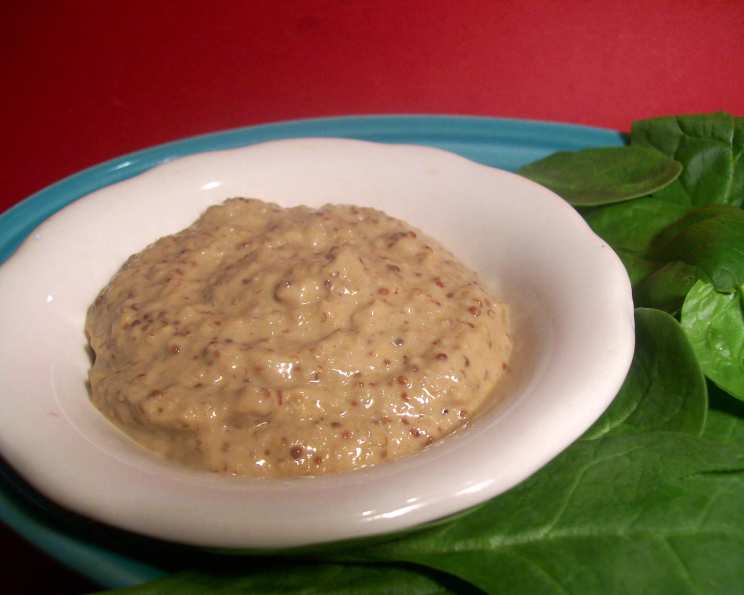
Shallot-Soy Vinaigrette: A Symphony of Savory Flavors
The memory is as vivid as if it were yesterday: a sun-drenched afternoon, a casual backyard barbecue, and the intoxicating aroma of grilling chicken wafting through the air. But it wasn’t just the perfectly charred chicken that stole the show. It was the simple salad, tossed in a vibrant, unexpected dressing that made everyone clamor for more. That dressing, as I later learned, was a Shallot-Soy Vinaigrette, and it forever changed my perception of what a simple vinaigrette could be. It’s a testament to how a well-crafted sauce can elevate even the most humble ingredients.
Recipe Overview
- Prep Time: 10 minutes
- Cook Time: 0 minutes
- Total Time: 10 minutes
- Yields: 3 1/2 cups
- Dietary Type: Vegetarian, Gluten-Free
Ingredients
- 1 cup grainy mustard
- 8 medium shallots, roughly chopped (about 1 cup)
- 1/4 cup Chinese black vinegar
- 1/2 cup naturally brewed rice wine vinegar
- 1/4 cup soy sauce
- 2 tablespoons sugar
- 2 cups grapeseed oil or canola oil
- Kosher salt, to taste
- Ground black pepper, to taste
Equipment Needed
- Blender or Food Processor
Instructions
- In a blender or food processor, combine the grainy mustard, roughly chopped shallots, Chinese black vinegar, rice wine vinegar, soy sauce, and sugar.
- Purée the ingredients until smooth.
- With the machine running on low speed, slowly drizzle in the grapeseed oil (or canola oil) until a creamy emulsion is formed. Be patient and add the oil in a steady stream for the best texture.
- Season the vinaigrette with kosher salt and ground black pepper to taste. Remember that the soy sauce already contributes a significant amount of salt, so taste before adding more.
- Use immediately or store in an airtight container in the refrigerator. The vinaigrette will last for up to 2 weeks.
Expert Tips & Tricks
-
Shallot Power: Don’t skimp on the shallots! Their delicate, slightly sweet flavor is key to this vinaigrette’s unique character. If you want a milder flavor, soak the chopped shallots in cold water for 10 minutes before using.
-
Emulsion Mastery: The key to a stable vinaigrette is a slow and steady drizzle of oil. This allows the oil to properly emulsify with the other ingredients, creating a creamy, cohesive sauce that won’t separate easily. If your vinaigrette does separate, simply blend it again before using.
-
Vinegar Versatility: While Chinese black vinegar provides a distinctive depth, balsamic vinegar can indeed be used as a substitute if it’s unavailable. However, be aware that balsamic vinegar is sweeter and more intense, so you might want to reduce the amount of sugar slightly.
-
Spice It Up: For a touch of heat, add a pinch of red pepper flakes to the blender.
-
Sweetness Adjustment: Taste the vinaigrette and adjust the sweetness to your liking. Some palates prefer a slightly sweeter vinaigrette, while others prefer a more savory one.
Serving & Storage Suggestions
This Shallot-Soy Vinaigrette is incredibly versatile. It’s perfect for:
- Tossed Salads: Drizzle it over mixed greens, romaine lettuce, or spinach for a simple yet flavorful salad.
- Grilled Vegetables: Brush it on grilled asparagus, zucchini, or bell peppers to enhance their smoky flavor.
- Marinades: Use it as a marinade for chicken, pork, fish, or tofu. The soy sauce and vinegar will help tenderize the meat, while the shallots and mustard add a delicious depth of flavor. Marinate for at least 30 minutes, or up to overnight in the refrigerator.
- Noodle Salads: Toss it with cooked noodles, shredded carrots, cucumbers, and cilantro for a refreshing Asian-inspired salad.
- Grain Bowls: Drizzle it over quinoa, farro, or brown rice bowls for added flavor and moisture.
Storage: Store the Shallot-Soy Vinaigrette in an airtight container in the refrigerator for up to 2 weeks. The flavors will actually meld and improve over time. It is not recommended to freeze this vinaigrette, as the emulsion may break down.
Nutritional Information
| Nutrient | Amount per Serving | % Daily Value |
|---|---|---|
| Calories | 1205 kcal | N/A |
| Calories from Fat | 1141 g | 95% |
| Total Fat | 126.8 g | 195% |
| Saturated Fat | 12.1 g | 60% |
| Cholesterol | 0 mg | 0% |
| Sodium | 1951.9 mg | 81% |
| Total Carbohydrate | 17.7 g | 5% |
| Dietary Fiber | 2.5 g | 9% |
| Sugars | 9.6 g | 38% |
| Protein | 5.5 g | 11% |
Note: Nutritional information is an estimate and may vary based on specific ingredients and portion sizes.
Variations & Substitutions
- Vegan Option: This recipe is already vegetarian, but to ensure it’s vegan, double-check that your sugar is processed without bone char.
- Low-Sodium: Use a low-sodium soy sauce to reduce the sodium content.
- Spicy: Add a pinch of red pepper flakes or a dash of your favorite hot sauce for a spicy kick.
- Citrusy: Add the zest of one lemon or orange for a bright, citrusy flavor.
- Herby: Stir in some chopped fresh herbs, such as parsley, chives, or dill, for added freshness.
- Sweetener Alternatives: Instead of sugar, try using honey, maple syrup, or agave nectar. Start with a smaller amount and adjust to taste.
- Nut Oil Enhancement: Substitute a portion of the grapeseed or canola oil with a high-quality nut oil, like walnut or hazelnut oil, for a richer, more complex flavor profile. Be mindful that nut oils can be more assertive, so start with a small amount.
FAQs (Frequently Asked Questions)
Q: Can I use a different type of mustard?
A: While grainy mustard is preferred for its texture and flavor, Dijon mustard or even yellow mustard can be used in a pinch. Keep in mind that the flavor profile will change slightly.
Q: Can I make this vinaigrette without a blender or food processor?
A: While it’s more difficult, you can whisk the ingredients together vigorously. Finely mince the shallots and whisk constantly while slowly drizzling in the oil. The emulsion might not be as stable, but it will still taste delicious.
Q: How can I tell if the vinaigrette has gone bad?
A: If the vinaigrette smells rancid or has an off-putting odor, it’s best to discard it. Also, if it separates and doesn’t come back together after blending, it may be past its prime.
Q: Is this vinaigrette gluten-free?
A: Yes, as long as you use a gluten-free soy sauce. Most soy sauces are naturally gluten-free, but it’s always a good idea to check the label to be sure.
Q: Can I double or triple this recipe?
A: Absolutely! This recipe can easily be scaled up to make a larger batch. Just be sure to use a large enough blender or food processor.
Final Thoughts
This Shallot-Soy Vinaigrette is more than just a dressing; it’s a flavor enhancer, a marinade, and a testament to the power of simple ingredients. I encourage you to experiment with it, tweak it to your liking, and discover all the wonderful ways you can use it to elevate your everyday meals. Don’t be afraid to share your creations and feedback – cooking is a journey best shared! Perhaps serve it with a grilled salmon and a side of roasted asparagus for a truly memorable meal.