
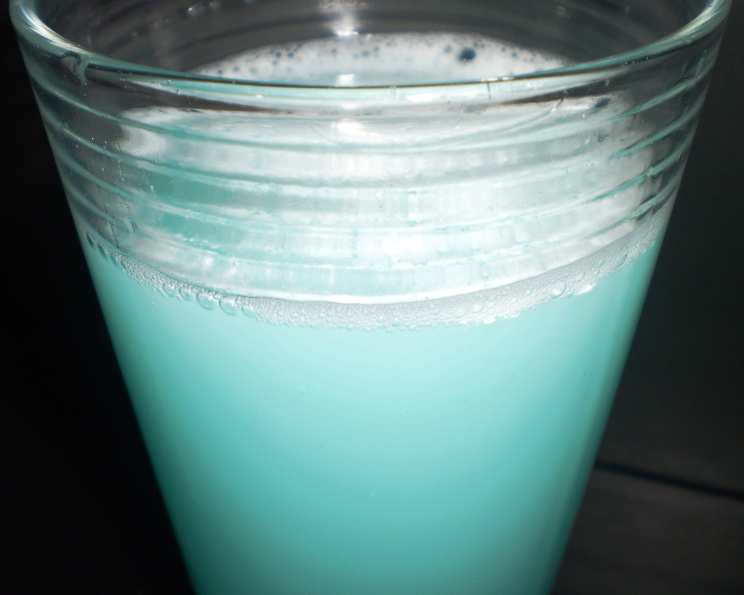
DIY Shampoo: A Surprising Kitchen Concoction
I’ll never forget the day my eccentric Aunt Millie, a woman who swore by the healing power of crystals and the benefits of earthing, shared her “secret” to luscious locks. She confided, with a twinkle in her eye, that she hadn’t bought shampoo from a store in years. Intrigued, I pressed her for details, expecting some rare herbal infusion. Instead, she revealed a simple, homemade recipe using ingredients most people already have in their pantry. I was skeptical, but after a week of using her concoction, I was genuinely surprised by the results – clean, soft, and surprisingly manageable hair.
Recipe Overview
- Prep Time: 5 minutes
- Ready In: 5 minutes
- Ingredients: 5
- Yields: 2 cups
- Dietary Type: Suitable for most hair types (patch test recommended)
Ingredients
- 1 cup liquid dish soap (gentle formulas are preferred)
- 1 cup vinegar (white or apple cider)
- 1/2 cup water
- 1 teaspoon lemon juice (optional, for added shine and fragrance)
- 1 teaspoon mayonnaise (optional, for added moisture)
Equipment Needed
- Measuring cups and spoons
- Bottle or container for storage
- Funnel (optional, for easy pouring)
Instructions
- Combine all ingredients: In a clean bottle or container, carefully pour in the liquid dish soap, vinegar, and water.
- Add optional ingredients: If desired, add the lemon juice and mayonnaise to the mixture.
- Shake well: Secure the lid tightly and shake well to thoroughly combine all ingredients. This is crucial for proper emulsification.
- Ready to use: The shampoo is now ready to use immediately.
Expert Tips & Tricks
- Gentle dish soap is key: Avoid using harsh dish soaps with strong degreasers, as they can strip your hair of its natural oils. Look for formulations labeled “gentle” or “for sensitive skin.”
- Vinegar choice matters: White vinegar is the most economical and readily available, but apple cider vinegar adds a slightly sweeter scent and may be more beneficial for those with scalp issues.
- Mayonnaise for moisture: If you have dry or damaged hair, the mayonnaise will act as a conditioner. Don’t worry, the vinegar will help remove the mayonnaise from your hair.
- Lemon juice brightness: Lemon juice helps to cut through any residue, add shine, and can subtly lighten hair over time. Use it sparingly, especially if you have sensitive skin.
- Patch Test: Before using all over your hair, do a patch test on a small area of skin (like behind your ear) to ensure you don’t have an adverse reaction.
- Adjust for Hair Type: If your hair feels too dry after washing, reduce the amount of dish soap. If it feels too oily, increase the amount of vinegar slightly.
- The Shake Down: Before each use, give the bottle a good shake. Separation is normal.
- Lathering: This shampoo might not lather as much as commercial shampoos due to the absence of sulfates. Focus on massaging it into the scalp to cleanse effectively.
- Follow with Conditioner: While this DIY shampoo cleans, you’ll likely still want to follow up with a conditioner to keep your hair hydrated and manageable.
Serving & Storage Suggestions
This homemade shampoo is best used fresh. Store any unused portion in a tightly sealed bottle in a cool, dark place. Due to the lack of preservatives, it’s recommended to use it within one week. Watch for any changes in smell or texture, which could indicate spoilage. This shampoo doesn’t require refrigeration, but keeping it in a cool environment will help maintain its quality.
Nutritional Information
Since this shampoo is not ingested, nutritional information isn’t typically considered. However, here’s an approximation based on the individual ingredients (per 1/4 cup serving, assuming the recipe yields 2 cups):
| Nutrient | Amount per Serving | % Daily Value |
|---|---|---|
| Calories | ~32 kcal | ~1.6% |
| Total Fat | ~1 g | ~1.5% |
| Saturated Fat | ~0.1 g | ~0.5% |
| Cholesterol | ~0 mg | ~0% |
| Sodium | ~22 mg | ~1% |
| Total Carbohydrate | ~1 g | ~0.3% |
| Dietary Fiber | ~0 g | ~0% |
| Sugars | ~0.3 g | ~1% |
| Protein | ~0 g | ~0% |
Note: This is a rough estimate and can vary based on the specific brands and types of ingredients used.
Variations & Substitutions
- Herbal Infusion: Infuse the water with herbs like rosemary, lavender, or chamomile for added benefits and fragrance. Steep the herbs in hot water, let cool, and then use the infused water in the recipe.
- Essential Oils: Add a few drops of your favorite essential oils (such as tea tree, lavender, or peppermint) for scent and therapeutic properties. Be mindful of skin sensitivities when choosing essential oils.
- Honey: Substitute a teaspoon of honey for mayonnaise for extra moisture and shine. Honey is a natural humectant, drawing moisture to the hair.
- Castile Soap: Use castile soap instead of dish soap. Make sure to dilute it well as it is more concentrated.
- Baking Soda: Some people use baking soda as a clarifying shampoo. If you want to try this, start with a very small amount (1/4 teaspoon) and dilute it well in water. Be cautious, as baking soda can be drying.
FAQs (Frequently Asked Questions)
Q: Why use dish soap in shampoo?
A: Dish soap is a surfactant, meaning it helps to remove dirt and oil from surfaces. In this case, it helps to cleanse the hair and scalp. Gentle formulations are preferred to avoid stripping the hair of its natural oils.
Q: Why is vinegar added?
A: Vinegar helps to balance the pH of the shampoo and remove buildup. It also acts as a natural conditioner, leaving hair shiny and smooth.
Q: Will my hair smell like vinegar?
A: The vinegar scent dissipates quickly once the hair is dry. You can also use apple cider vinegar for a milder, slightly fruity scent.
Q: How often should I use this shampoo?
A: Start by using it once a week and adjust as needed based on your hair type and oil production. Some people find they can use it more frequently, while others prefer to use it less often.
Q: Is this shampoo safe for color-treated hair?
A: It’s best to test this shampoo on a small, inconspicuous section of your hair first, as the vinegar and lemon juice could potentially affect hair color. Proceed with caution.
Final Thoughts
While the idea of washing your hair with dish soap, vinegar, and mayonnaise might sound a little strange, don’t knock it until you try it. This simple, cost-effective DIY shampoo can be a surprisingly effective way to cleanse your hair. It’s a fun experiment, and you might just discover a new favorite hair care routine. Give it a whirl, experiment with the variations, and share your experiences! I’d love to hear how this unconventional concoction works for you.