
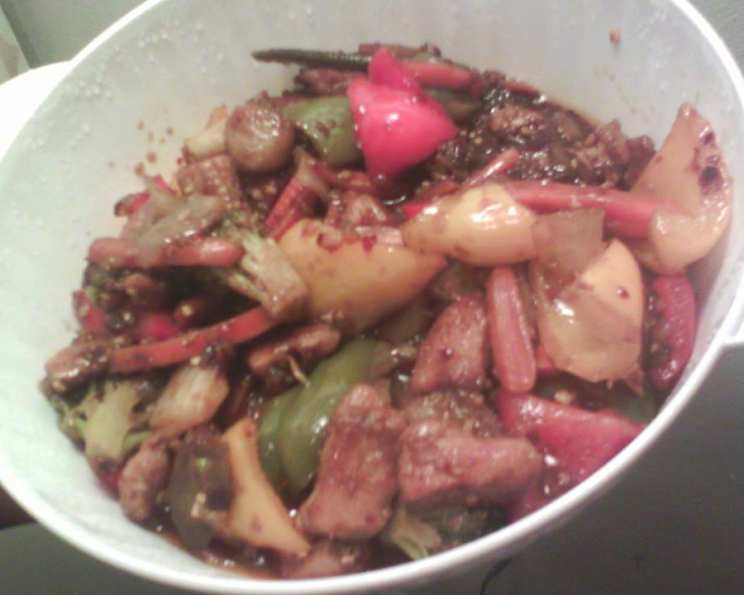
Shanghai Hunan Chicken: A Culinary Reunion
I remember the first time I tasted Hunan chicken. It was a blustery autumn evening, and the aroma radiating from the small, family-run restaurant down the street promised warmth and comfort. Each bite was a revelation – the tender chicken, crisp-tender vegetables, and the fiery kiss of chili dancing on my tongue. It was more than just a meal; it was an experience, a memory woven into the fabric of my childhood. This recipe brings me back to that feeling with every perfectly balanced, spicy bite.
Recipe Overview
- Prep Time: 15 minutes
- Cook Time: 12 minutes
- Total Time: 27 minutes
- Servings: 2
- Yield: 2 servings
- Dietary Type: Not specified (can be modified to be gluten-free)
Ingredients
- 1 1/2 cups raw chicken breasts, sliced about 1/8-inch thick across the grain
- 1/2 cup water
- 1/2 cup raw carrots, strips (1/8-inch thick, 1/2-inch wide, 1 to 2-inch long)
- 1/2 cup green pepper, chunks
- 1/2 cup baby corn, drained
- 1/2 cup water chestnut, drained
- 1/2 cup bamboo shoot, drained
- 1 cup cooked rice, for serving
Sauce:
- 1 – 2 teaspoons garlic paste
- 2 – 3 tablespoons low sodium soy sauce (use tamari for gluten-free)
- 1 tablespoon chopped green onion
- 1 tablespoon hoisin sauce
- 1 teaspoon sugar
- 1 teaspoon powdered ginger
- 1 teaspoon salt
- 2 teaspoons chopped red chili flakes in oil
- 6 – 8 dried hot chili peppers
Equipment Needed
- Large skillet or wok
- Slotted spoon or strainer
- Knife
- Cutting board
- Small bowl (for mixing sauce)
Instructions
- First, ensure all your ingredients are prepped and within easy reach. Slice the chicken across the grain into thin, even pieces. This is crucial for quick and even cooking.
- Prepare the vegetables: Cut the carrots into thin strips. Chop the green pepper into bite-sized chunks. Drain the baby corn, water chestnuts, and bamboo shoots.
- In a large skillet or wok, heat about 2 inches of oil over high heat. Be careful not to let the oil smoke; medium-high heat is preferable.
- Saute the chicken in the hot oil for about 1-2 minutes, or until it is no longer pink. Use a slotted spoon or strainer to remove the chicken from the oil and set it aside.
- Carefully pour the hot oil into a heatproof container. You might need to reuse this oil, so be mindful.
- Add the 1/2 cup of water to the skillet and bring it to a boil.
- Add all the vegetables (carrots, green pepper, baby corn, water chestnuts, and bamboo shoots) to the boiling water simultaneously. Stir-fry them for about 30 seconds to partially cook them.
- Use a strainer to remove the vegetables from the skillet, discarding any remaining water.
- Now, it’s time to make the sauce. Add all the sauce ingredients (garlic paste, soy sauce, green onion, hoisin sauce, sugar, powdered ginger, salt, red chili flakes in oil, and dried hot chili peppers) to the empty skillet.
- Heat the sauce over medium heat, stirring well to combine all the ingredients. Allow the flavors to meld together for a minute or so.
- Add the cooked chicken and the blanched vegetables back into the skillet with the sauce. Stir everything together until the chicken and vegetables are well coated with the sauce.
- If the mixture appears too dry, add a little more soy sauce to achieve the desired consistency.
- Taste the sauce and adjust seasonings as needed. Add more chili flakes if you prefer more heat, or a touch more sugar for sweetness.
- Serve hot over cooked rice.
Expert Tips & Tricks
- Slice the chicken thinly: This ensures it cooks quickly and evenly, preventing it from becoming dry. Partially freezing the chicken for about 15-20 minutes before slicing can make this easier.
- Prepare the vegetables in advance: Having all the vegetables chopped and ready to go before you start cooking will make the entire process smoother.
- Adjust the spice level to your preference: Start with a smaller amount of chili flakes and add more to taste. Be careful with the dried chili peppers, as they can pack a serious punch. You can also remove the seeds from the peppers to reduce the heat.
- Don’t overcrowd the pan: Sauté the chicken and vegetables in batches if necessary to ensure they cook evenly and don’t steam.
- Use high heat for stir-frying: This helps to create a slightly charred flavor and keeps the vegetables crisp-tender.
Serving & Storage Suggestions
Serve Shanghai Hunan Chicken hot over freshly cooked rice. Garnish with additional chopped green onions or sesame seeds for an added touch of elegance.
Leftovers can be stored in an airtight container in the refrigerator for up to 3-4 days. To reheat, you can microwave it, but for better results, reheat it in a skillet over medium heat until heated through. Add a splash of water or broth if it seems too dry. Freezing is also possible, but the vegetables may lose some of their crispness upon thawing.
Nutritional Information
| Nutrient | Amount per Serving | % Daily Value* |
|---|---|---|
| Calories | 302.4 kcal | N/A |
| Calories from Fat | N/A | 18% |
| Total Fat | 6 g | 9% |
| Saturated Fat | 0.9 g | 4% |
| Cholesterol | 0.2 mg | 0% |
| Sodium | 1858.8 mg | 77% |
| Total Carbohydrate | 58 g | 19% |
| Dietary Fiber | 5.5 g | 21% |
| Sugars | 12 g | 48% |
| Protein | 7 g | 13% |
*Percent Daily Values are based on a 2,000 calorie diet.
Variations & Substitutions
- Gluten-Free: Substitute low-sodium soy sauce with tamari or gluten-free soy sauce. Ensure hoisin sauce is also gluten-free (some brands contain wheat).
- Vegetarian: Replace chicken with firm tofu, cut into bite-sized pieces. Press the tofu to remove excess water before stir-frying.
- Lower Sodium: Use even less low-sodium soy sauce and reduce the amount of salt added. Enhance flavor with fresh ginger or garlic.
- Vegetable Variations: Feel free to add or substitute other vegetables, such as broccoli florets, snap peas, or mushrooms.
- Spicier: Add more red chili flakes or a few drops of chili oil for extra heat.
FAQs (Frequently Asked Questions)
Q: Can I use chicken thighs instead of chicken breasts?
A: Yes, chicken thighs can be used. Just make sure to trim off any excess fat and cut them into similar sized pieces as the breasts. Chicken thighs may require a slightly longer cooking time.
Q: Can I make this dish ahead of time?
A: Yes, you can prepare the sauce and chop the vegetables in advance. Store them separately in the refrigerator. When ready to cook, simply follow the remaining steps.
Q: How do I adjust the thickness of the sauce?
A: If the sauce is too thin, you can thicken it by adding a cornstarch slurry (1 teaspoon cornstarch mixed with 1 tablespoon cold water) to the sauce while it’s simmering. If it’s too thick, add a little water or chicken broth.
Q: What is the best way to store leftover Shanghai Hunan Chicken?
A: Store leftovers in an airtight container in the refrigerator for up to 3-4 days.
Q: Can I use fresh ginger instead of powdered ginger?
A: Absolutely! Fresh ginger will provide a brighter, more vibrant flavor. Use about 1 teaspoon of minced fresh ginger in place of the powdered ginger.
Final Thoughts
Now that you have the secrets to creating this classic dish, I encourage you to step into your kitchen and embark on this flavorful adventure. Don’t be afraid to experiment with the spice level and vegetable combinations to create your own personalized version of Shanghai Hunan Chicken. I hope this recipe brings as much joy to your table as it has to mine. Share your creations and feedback – I’d love to see your culinary masterpieces! Consider pairing this vibrant dish with a crisp, dry Riesling to complement the heat and sweetness. Happy cooking!