
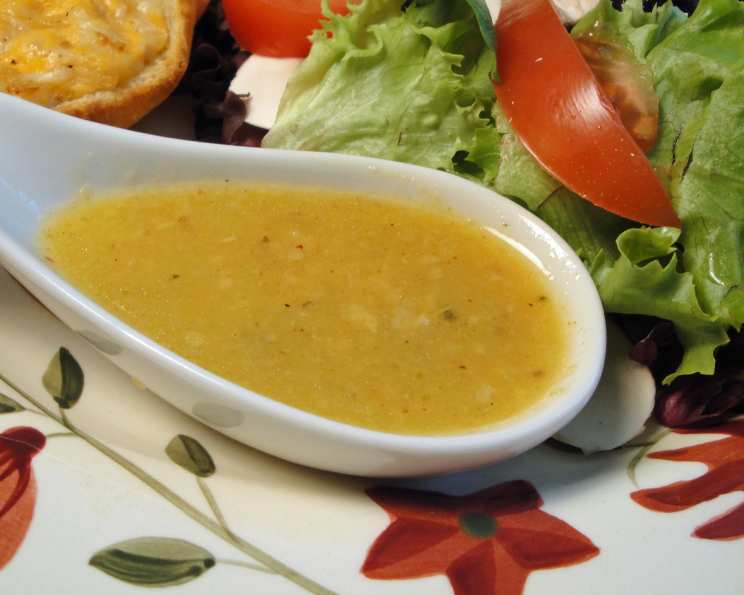
Sherry Vinaigrette: A Culinary Revelation
There are some flavor combinations that just sing to me. Garlic, a touch of acidity, and the fruity warmth of good olive oil are eternally enchanting. I remember the first time I tasted a truly exceptional vinaigrette—it was in a tiny trattoria in Florence. The simple salad of bitter greens was transformed by a dressing so vibrant and balanced, it brought tears to my eyes. It taught me that sometimes, the simplest things are the most profound, and that a well-made vinaigrette is the secret weapon of any cook.
Recipe Overview
- Prep Time: 10 minutes
- Cook Time: 0 minutes
- Total Time: 10 minutes
- Yields: ½ cup
- Dietary Type: Vegan, Gluten-Free, Dairy-Free, Keto-Friendly
Ingredients
- 1-2 garlic cloves, coarsely chopped
- Salt
- Freshly ground black pepper
- 1 ½ tablespoons sherry wine vinegar (or aged red wine vinegar)
- 1 teaspoon Dijon mustard
- 6 tablespoons extra virgin olive oil
Equipment Needed
- Mortar and pestle (optional)
- Small bowl
- Whisk or fork
Instructions
-
If using a mortar and pestle, pound the garlic with ¼ teaspoon salt until it breaks down into a puree. This process helps to release the garlic’s essential oils and mellows its flavor.
-
If you don’t have a mortar and pestle, chop the garlic finely, then use the flat side of a large knife and press the garlic with the salt to make a paste. The salt acts as an abrasive, helping to break down the garlic cells.
-
In a small bowl, combine the garlic paste, sherry wine vinegar, and Dijon mustard.
-
Whisk in the extra virgin olive oil gradually, ensuring it emulsifies into a smooth and creamy dressing. Whisking vigorously helps to create a stable emulsion, preventing the oil and vinegar from separating.
-
Season with pepper to taste.
-
Taste and adjust the flavors as needed. You may want to add a pinch more salt or a splash more sherry wine vinegar to balance the acidity. The goal is a bright, harmonious blend of flavors.
Expert Tips & Tricks
- Garlic Intensity: The amount of garlic you use depends on your personal preference. Start with one clove and add more if you desire a stronger flavor.
- Emulsification is Key: To achieve a stable vinaigrette, whisk the oil in slowly and steadily. If the vinaigrette separates, try adding a small ice cube to the bowl and whisking vigorously. The cold temperature can help to re-emulsify the dressing.
- Vinegar Variety: While sherry wine vinegar provides a distinctive nutty sweetness, you can substitute it with aged red wine vinegar or even apple cider vinegar for a different flavor profile.
- Mustard Magic: The Dijon mustard not only adds flavor but also acts as an emulsifier, helping to bind the oil and vinegar together. You can experiment with different types of mustard, such as whole grain or honey mustard, for a unique twist.
- Make-Ahead Tip: The vinaigrette can be made ahead of time and stored in an airtight container in the refrigerator for up to a week. However, the flavors may mellow slightly over time. Be sure to bring it to room temperature and whisk well before serving.
- Infusion: For an extra layer of flavor, infuse the olive oil with herbs like rosemary or thyme for a few days before making the vinaigrette.
Serving & Storage Suggestions
This versatile sherry vinaigrette is a fantastic addition to many dishes. It’s particularly delicious drizzled over:
- Salads: Use it as a classic dressing for green salads, especially those with bitter greens like arugula or frisée. It also pairs well with salads containing roasted vegetables or grilled chicken or fish.
- Beans and Grains: As the original recipe suggests, this vinaigrette can transform bland beans and grains into flavorful side dishes. Try it with lentils, quinoa, or white beans.
- Vegetables: Drizzle it over roasted vegetables like asparagus, Brussels sprouts, or sweet potatoes for a burst of flavor. It can also be used as a marinade for grilled vegetables.
- Grilled Meats and Fish: The acidity of the vinaigrette helps to cut through the richness of grilled meats and fish, adding a bright and refreshing element.
Storage: Store leftover vinaigrette in an airtight container in the refrigerator for up to one week. The oil may solidify in the refrigerator, so be sure to bring it to room temperature and whisk well before using. It is not recommended to freeze this vinaigrette as the emulsion may break.
Nutritional Information
| Nutrient | Amount per Serving | % Daily Value |
|---|---|---|
| Calories | 60 kcal | 3% |
| Total Fat | 6.8g | 10% |
| Saturated Fat | 0.9g | 4% |
| Cholesterol | 0mg | 0% |
| Sodium | 4.9mg | 0% |
| Total Carbohydrate | 0.1g | 0% |
| Dietary Fiber | 0g | 0% |
| Sugars | 0g | 0% |
| Protein | 0g | 0% |
Note: Nutritional information is an estimate and may vary based on specific ingredients and portion sizes.
Variations & Substitutions
- Herb Infusion: Add finely chopped fresh herbs like parsley, chives, or thyme to the vinaigrette for an herbaceous twist.
- Sweetness: A touch of honey or maple syrup can add a subtle sweetness to balance the acidity.
- Spice: A pinch of red pepper flakes can add a hint of heat.
- Nutty Flavor: Use walnut oil or hazelnut oil instead of olive oil for a richer, nuttier flavor.
- Citrus Burst: Add a squeeze of lemon or orange juice for a brighter, more citrusy flavor.
- Balsamic Variation: Substitute the Sherry wine vinegar with Balsamic vinegar for a sweeter and richer flavor.
FAQs (Frequently Asked Questions)
Q: Can I use dried garlic instead of fresh garlic?
A: While fresh garlic is recommended for the best flavor, you can use ½ teaspoon of garlic powder as a substitute. Be mindful that the flavor will be more concentrated and may not be as nuanced.
Q: How do I prevent the vinaigrette from separating?
A: Whisking the oil in slowly and steadily is key to creating a stable emulsion. Adding a small amount of Dijon mustard also helps to bind the oil and vinegar together. If it still separates, try whisking in a tiny bit of water or an ice cube.
Q: Can I make this vinaigrette without mustard?
A: Yes, you can omit the mustard, but it will affect the flavor and stability of the vinaigrette. You may need to whisk more vigorously to create an emulsion.
Q: How long will the vinaigrette last in the refrigerator?
A: The vinaigrette will last for up to one week in an airtight container in the refrigerator. The oil may solidify, so be sure to bring it to room temperature and whisk well before using.
Q: Can I adjust the acidity of the vinaigrette?
A: Absolutely! If the vinaigrette is too acidic for your taste, add a touch of honey or maple syrup to balance the flavors. If it’s not acidic enough, add a splash more sherry wine vinegar.
Final Thoughts
This sherry vinaigrette is more than just a dressing; it’s a flavor enhancer that can elevate countless dishes. Its simplicity is its strength, allowing the quality of the ingredients to shine through. I encourage you to experiment with different variations and find the perfect balance of flavors to suit your palate. Whether you’re dressing a simple salad or marinating grilled vegetables, this vinaigrette is sure to impress. So, gather your ingredients, embrace the process, and create a culinary masterpiece that will delight your taste buds. I can’t wait to hear how you make it your own!