
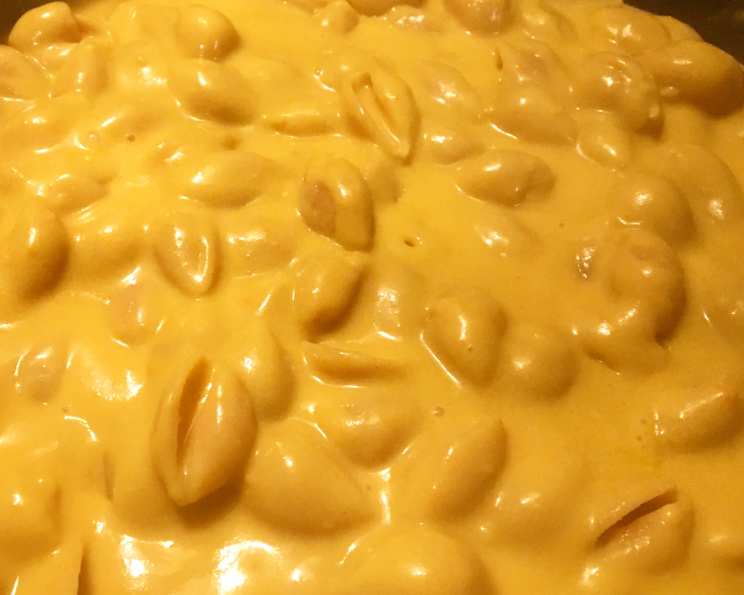
Shockingly Good Vegan Cheese Sauce
I remember one particularly dreary autumn day in culinary school, battling a serious case of homesickness. Nothing seemed to lift my spirits until I stumbled upon a potluck hosted by the school’s small but mighty vegan club. Skeptical, I reluctantly tried a vibrant orange sauce ladled over steamed broccoli. One bite, and I was transported – cheesy, comforting, and surprisingly complex. The student who made it confessed it was a bizarre blend of ingredients, but the result was pure magic. That day, this oddly-sourced vegan cheese sauce didn’t just fill my stomach; it warmed my soul.
Recipe Overview
- Prep Time: 5 minutes
- Cook Time: 10 minutes
- Total Time: 15 minutes
- Servings: 6
- Dietary Type: Vegan
Ingredients
- 2 cups water
- 1/3 cup carrot, peeled and cooked
- 1/3 cup white flour (or use cornstarch for gluten-free option)
- 1/4 cup nutritional yeast flakes
- 1 tablespoon lemon juice
- 2 teaspoons onion powder
- 2 teaspoons salt
Equipment Needed
- Blender
- Saucepan
- Whisk or spoon
Instructions
- In a blender, combine all the ingredients: the water, cooked carrot, white flour (or cornstarch), nutritional yeast flakes, lemon juice, onion powder, and salt.
- Blend the mixture on high speed until completely smooth and creamy. Make sure there are no lumps remaining. This may take a minute or two depending on the power of your blender.
- Pour the blended mixture into a saucepan.
- Place the saucepan over medium heat.
- Continuously stir the sauce with a whisk or spoon to prevent sticking or burning. This is crucial to ensure a smooth final product.
- Continue stirring until the sauce comes to a boil. As it heats, you’ll notice it starts to thicken.
- Once the sauce starts boiling, reduce the heat to low and continue to stir for another minute or two, until it reaches your desired consistency. Remember that the sauce will thicken slightly as it cools.
- Remove the saucepan from the heat.
- The vegan cheese sauce is now ready to be served!
Expert Tips & Tricks
- Achieving the Perfect Texture: The key to a smooth and creamy sauce is a well-blended base and consistent stirring while cooking. Don’t rush the blending process.
- Nutritional Yeast Notes: Nutritional yeast is what gives this sauce its cheesy flavor. Ensure your nutritional yeast is fresh for the best flavor. Different brands may have subtle differences in taste, so experiment to find your favorite.
- Gluten-Free Adaptations: For a truly gluten-free sauce, substitute the white flour with an equal amount of cornstarch. You can also use a gluten-free all-purpose flour blend.
- Preventing Lumps: If you notice any lumps forming while cooking, whisk vigorously to break them up. If the lumps persist, you can try passing the sauce through a fine-mesh sieve for an ultra-smooth finish.
- Enhancing Flavor: A pinch of garlic powder or a dash of smoked paprika can add depth and complexity to the flavor profile.
- Make-Ahead Tip: You can prepare the sauce a day or two in advance and store it in the refrigerator. Reheat gently on the stovetop, stirring occasionally, adding a splash of water if needed to restore the desired consistency.
Serving & Storage Suggestions
This vegan cheese sauce is incredibly versatile. It’s fantastic poured over pasta, steamed broccoli, baked potatoes, or used as a dip for tortilla chips. You can also use it to make vegan macaroni and cheese or as a base for vegan casseroles.
For serving, consider garnishing with a sprinkle of fresh herbs like parsley or chives. A pinch of red pepper flakes can add a touch of heat.
To store leftover sauce, let it cool completely before transferring it to an airtight container. It can be stored in the refrigerator for up to 3-4 days. Reheat gently on the stovetop or in the microwave, stirring occasionally. If the sauce has thickened too much during refrigeration, add a tablespoon or two of water or plant-based milk to restore the desired consistency.
Freezing is not recommended, as the sauce may become grainy upon thawing.
Nutritional Information
| Nutrient | Amount per Serving | % Daily Value |
|---|---|---|
| Calories | 54.8 kcal | N/A |
| Calories from Fat | 4 g | N/A |
| Total Fat | 0.5 g | 0% |
| Saturated Fat | 0.1 g | 0% |
| Cholesterol | 0 mg | 0% |
| Sodium | 785.5 mg | 32% |
| Total Carbohydrate | 9.8 g | 3% |
| Dietary Fiber | 2.1 g | 8% |
| Sugars | 0.6 g | 2% |
| Protein | 3.9 g | 7% |
Note: Nutritional information is an estimate and may vary based on specific ingredients and preparation methods.
Variations & Substitutions
- Spicy Cheese Sauce: Add a pinch of cayenne pepper or a few drops of hot sauce to the blender for a spicy kick.
- Smoked Cheese Sauce: Incorporate 1/2 teaspoon of smoked paprika for a smoky flavor.
- Herbaceous Cheese Sauce: Blend in a handful of fresh herbs like basil, oregano, or thyme for an herby twist.
- Roasted Vegetable Cheese Sauce: Roast other vegetables like butternut squash or sweet potato alongside the carrot for a sweeter, more complex flavor. Adjust the amount of water as needed to achieve the desired consistency.
- Oil-Free Version: While this recipe is already low in fat, you can try substituting the water with a creamy plant-based milk like oat milk or unsweetened soy milk for a richer flavor without added oil.
- Cashew-Based Sauce: For a richer, creamier sauce, soak 1/2 cup of raw cashews in hot water for at least 30 minutes, then drain and add them to the blender along with the other ingredients. You may need to add more water to achieve the desired consistency.
FAQs (Frequently Asked Questions)
Q: Why do I need to cook the carrot before blending?
A: Cooking the carrot softens it, making it easier to blend into a smooth sauce. It also mellows out the carrot’s flavor, contributing to the overall cheese-like taste.
Q: Can I use different types of flour?
A: Yes, you can experiment with different types of flour. However, keep in mind that each flour will affect the texture of the sauce slightly. Cornstarch is a great gluten-free option that results in a very smooth sauce.
Q: What if I don’t have nutritional yeast?
A: Nutritional yeast is essential for the cheesy flavor of this sauce. While there is no direct substitute, you could try adding a tablespoon of miso paste for a savory umami flavor, but it won’t replicate the cheesy taste.
Q: My sauce is too thick. What can I do?
A: Add water, a tablespoon at a time, until the sauce reaches your desired consistency. Stir well after each addition.
Q: Can I add other vegetables to this sauce?
A: Absolutely! Cooked cauliflower, potatoes, or even zucchini can be blended into the sauce for added nutrients and flavor. Just be sure to adjust the liquid as needed to maintain the right consistency.
Final Thoughts
Don’t let the simplicity of this recipe fool you – the surprisingly delicious results will have you questioning everything you thought you knew about vegan cheese! This sauce is proof that plant-based cooking can be both easy and incredibly satisfying. I encourage you to try it, experiment with variations, and share your culinary creations with friends and family. Whether you’re a seasoned vegan or simply looking to explore new flavors, this Shockingly Good Vegan Cheese Sauce is sure to become a staple in your kitchen. Enjoy!