
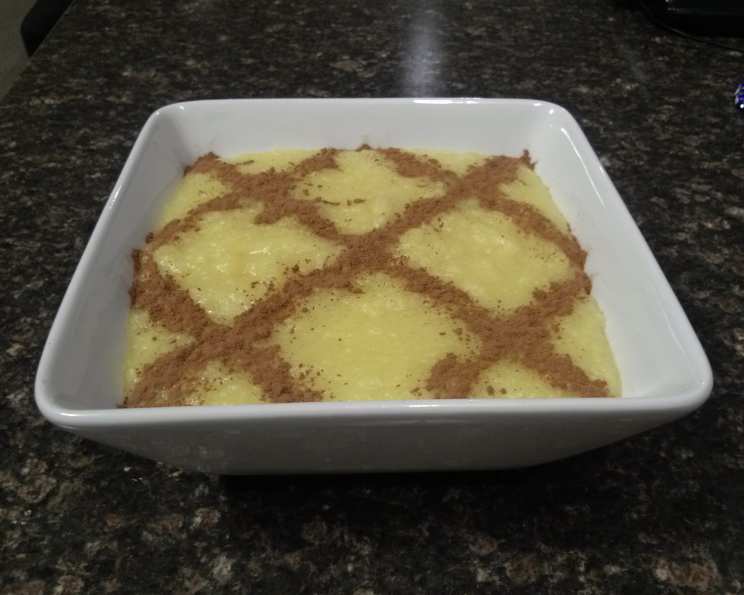
Sholeh-Zard: A Persian Saffron Rice Pudding Dream
The scent alone transports me back to my grandmother’s kitchen in Tehran. I can almost feel the warmth of the simmering pot, the gentle stirring motion, and the anticipation as the aroma of saffron, rosewater, and cinnamon filled the air. Sholeh-Zard wasn’t just a dessert; it was a symbol of celebration, a gesture of love, and a taste of home that lingered long after the last spoonful. It’s a dish woven into the fabric of my childhood, and sharing this recipe feels like sharing a piece of my heart.
Recipe Overview
- Prep Time: 15 minutes
- Cook Time: 30-40 minutes
- Total Time: 45-55 minutes
- Servings: 8-10
- Yield: Approximately 8-10 servings
- Dietary Type: Gluten-Free (naturally), can be made Dairy-Free/Vegan
Ingredients
- 500 g rice (preferably short-grain or medium-grain)
- 1 kg sugar
- Cooking oil (vegetable or canola)
- 1/2 teaspoon saffron threads
- 1/2 cup rose water
- Pistachios, crushed, for garnish
- Almonds, slivered or crushed, for garnish
- 1 teaspoon cinnamon, ground, for garnish
Equipment Needed
- Large pot with lid
- Measuring cups and spoons
- Wooden spoon or spatula
- Small bowl
- Baking sheet or oven-safe dish (optional, for baking method)
- Oven (optional, for baking method)
Instructions
-
Begin by preparing the rice. Wash it thoroughly several times under cold running water until the water runs clear. This removes excess starch and prevents the pudding from becoming overly sticky. Drain the rice completely.
-
In a large pot, combine the drained rice with six times its volume in water. Bring the mixture to a boil over medium-high heat. As it simmers, carefully remove any foam that rises to the surface. This foam contains impurities that can affect the final flavor and texture of the Sholeh-Zard.
-
Continue to cook the rice until it is completely softened and almost mushy. This process might take some time, so be patient. The rice should break down easily when pressed against the side of the pot.
-
Once the rice has softened sufficiently, add the sugar to the pot. Stir well to ensure the sugar dissolves completely. The mixture will thicken as the sugar melts.
-
In a small bowl, dissolve the saffron threads in half a cup of hot water. Allow the saffron to steep for at least 15-20 minutes to extract its color and flavor. The water will turn a vibrant golden yellow. This step is crucial for achieving the signature color and aroma of Sholeh-Zard.
-
Add the saffron water to the rice and sugar mixture. Stir to distribute the saffron evenly throughout the pudding.
-
Now, add a generous amount of cooking oil to the pot. The oil helps to create a smooth and glossy texture in the final dessert. Don’t be afraid to be generous!
-
Incorporate most of the almonds (reserving some for garnish) and the rosewater into the Sholeh-Zard. Stir well to combine all the ingredients. The rosewater adds a delicate floral note that complements the saffron beautifully.
-
Cover the pot with a lid and reduce the heat to the lowest setting. Allow the Sholeh-Zard to simmer gently for at least 30 minutes, stirring occasionally to prevent sticking.
-
Optional Baking Method: For a richer, more caramelized flavor, you can transfer the Sholeh-Zard to an oven-safe dish or baking sheet after simmering it on the stovetop. Bake it in a preheated oven at a low temperature (around 150°C or 300°F) for about 30 minutes. This allows the flavors to meld together and the top to develop a slightly crusty texture.
-
Once cooked, allow the Sholeh-Zard to cool slightly before serving.
-
Garnish with crushed pistachios, slivered or crushed almonds, and a generous sprinkle of ground cinnamon. The garnish adds a festive touch and enhances the overall flavor and texture of the dessert.
Expert Tips & Tricks
- Saffron Quality: The quality of the saffron significantly impacts the final result. Use high-quality saffron threads for the best flavor and color. Look for threads that are deep red and have a strong aroma.
- Rice Selection: While any type of rice can be used, short-grain or medium-grain rice varieties tend to produce a creamier and more cohesive pudding.
- Stirring is Key: Frequent stirring is essential to prevent the pudding from sticking to the bottom of the pot and to ensure even cooking.
- Adjusting Sweetness: The amount of sugar can be adjusted to your preference. Start with the recommended amount and add more if needed.
- Rosewater Intensity: Be mindful of the rosewater. Too much can make the dessert taste soapy. Start with 1/4 cup and add more to taste.
- Preventing Sticking: Using a heavy-bottomed pot helps to distribute heat evenly and prevent sticking.
- Make-Ahead Tip: Sholeh-Zard can be made a day or two in advance. The flavors will meld together even more beautifully.
Serving & Storage Suggestions
Sholeh-Zard is traditionally served warm or at room temperature, adorned with a generous scattering of nuts and cinnamon. It is a popular dessert for special occasions, religious holidays, and family gatherings.
Leftovers can be stored in an airtight container in the refrigerator for up to 3-4 days. To reheat, gently warm the Sholeh-Zard in a saucepan over low heat, stirring occasionally, or microwave in short intervals until heated through. If the pudding has thickened too much, add a splash of water or milk to restore its creamy consistency. It is not recommended to freeze Sholeh-Zard as the texture may change upon thawing.
Nutritional Information
(Estimated values per serving, based on approximate calculations)
| Nutrient | Amount per Serving | % Daily Value |
|---|---|---|
| Calories | 300-350 kcal | 15-18% |
| Total Fat | 8-10g | 10-15% |
| Saturated Fat | 1-2g | 5-10% |
| Cholesterol | 0mg | 0% |
| Sodium | 5-10mg | 0% |
| Total Carbohydrate | 60-70g | 20-25% |
| Dietary Fiber | 1-2g | 5-8% |
| Sugars | 40-50g | N/A |
| Protein | 3-4g | 6-8% |
Variations & Substitutions
- Dairy-Free/Vegan Sholeh-Zard: Replace the cooking oil with coconut oil for a subtle coconut flavor. You can also use non-dairy milk, like almond or oat milk, during the reheating process, if needed, to thin the consistency.
- Spice Variations: Experiment with other spices like cardamom or a pinch of nutmeg for a unique flavor profile.
- Nut-Free Version: Omit the almonds and pistachios or substitute with other toppings like shredded coconut or dried cranberries.
- Citrus Zest: Add a teaspoon of orange or lemon zest for a bright and refreshing twist.
- Rosewater Alternatives: If you’re not a fan of rosewater, orange blossom water can be used as a substitute.
FAQs (Frequently Asked Questions)
Q: Can I use brown rice for Sholeh-Zard?
A: While you can use brown rice, it will significantly alter the texture and cooking time. Brown rice takes longer to cook and will result in a chewier pudding. Short-grain white rice is recommended for the traditional creamy texture.
Q: How do I prevent the rice from sticking to the pot?
A: Frequent stirring is key! Also, using a heavy-bottomed pot helps distribute heat more evenly and reduces the risk of sticking. Make sure the heat is on low once the pudding starts to simmer.
Q: Can I reduce the amount of sugar in the recipe?
A: Yes, you can adjust the sugar to your taste. However, remember that sugar not only adds sweetness but also contributes to the texture and thickness of the pudding. Reduce it gradually and taste as you go.
Q: How can I tell if the Sholeh-Zard is done?
A: The Sholeh-Zard is done when the rice is completely soft and the pudding has thickened to a creamy consistency. It should coat the back of a spoon.
Q: Why is my Sholeh-Zard not yellow enough?
A: The color of Sholeh-Zard comes from the saffron. Make sure you are using high-quality saffron threads and allowing them to steep in hot water for a sufficient amount of time before adding them to the pudding.
Final Thoughts
I hope this recipe inspires you to create your own memories with Sholeh-Zard. This dessert is more than just a sweet treat; it’s a cultural experience, a connection to the past, and a celebration of flavors. Don’t be intimidated by the seemingly long process – the result is well worth the effort. Gather your ingredients, embrace the aromas, and let the warmth of Sholeh-Zard fill your kitchen and your heart. Please share your experiences and variations; I’d love to hear about your culinary adventures! This delightful pudding pairs wonderfully with a cup of strong Persian tea or a glass of sweet dessert wine. Enjoy!