
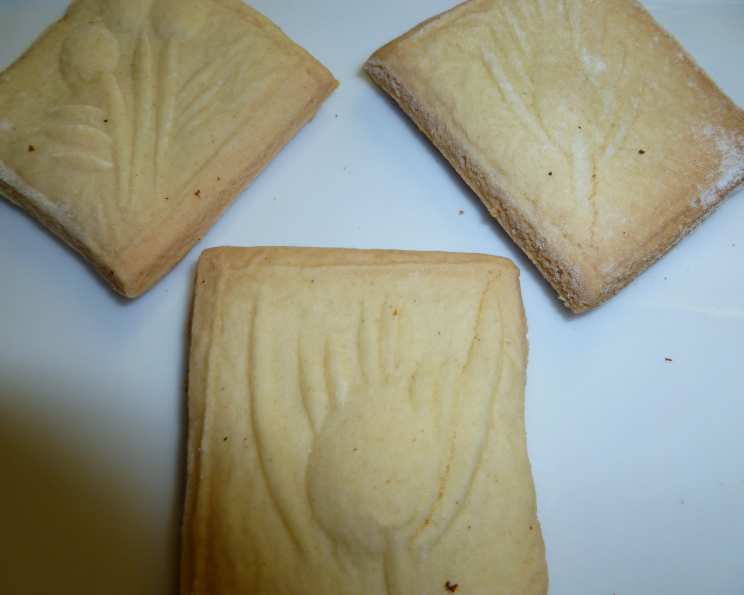
Shortbread Springerle Cookies: A Taste of Tradition
The scent of anise always takes me back to my grandmother’s kitchen during the holidays. She had a collection of antique springerle molds, each intricately carved with scenes from folklore and nature. As a child, I’d spend hours watching her carefully press the dough into the molds, creating these beautiful embossed cookies. The anticipation of that first bite, the subtle licorice flavor mingling with the buttery shortbread, is a memory I cherish. Springerle cookies weren’t just a treat; they were edible works of art, steeped in tradition and love.
Recipe Overview:
- Prep Time: 1 hour 10 minutes (plus 2-24 hours drying time)
- Cook Time: 10-25 minutes
- Total Time: 3 hours 10 minutes – 25 hours 35 minutes (including drying time)
- Servings: Varies
- Yield: 36-144 Cookies (depending on mold size)
- Dietary Type: Not specified
Ingredients:
- 1/2 teaspoon baker’s ammonia (Hartshorn) or 1/2 teaspoon baking powder
- 2 tablespoons milk
- 6 large eggs, room temperature
- 6 cups powdered sugar (1 – 1 1/2 LB)
- 1/2 cup unsalted butter, softened but not melted
- 1/2 teaspoon salt
- 1/2 teaspoon anise (if substituting fruit flavored oils, use 3 teaspoons)
- 2 lbs sifted cake flour
- Grated orange rind (optional, enhances flavor of the traditional anise or the citrus flavors) or lemon rind (optional, enhances flavor of the traditional anise or the citrus flavors)
- Flour (more as needed)
Equipment Needed:
- Mixing bowl (Heavy-duty stand mixer recommended)
- Measuring cups and spoons
- Springerle molds
- Pastry brush
- Knife, pizza cutter, or pastry wheel
- Kitchen towel
- Greased or parchment-lined cookie sheets
- Cooling rack
- Storage tins
Instructions:
-
Dissolve the hartshorn: In a small bowl, combine the baker’s ammonia (or baking powder) with the milk. Allow this mixture to sit for 1 hour. This step is crucial for achieving the characteristic texture of springerle cookies. The hartshorn acts as a leavening agent and contributes to the cookie’s light and airy crumb.
-
Beat the eggs: In a large mixing bowl, beat the eggs until they are thick and lemon-colored. This will take approximately 10 minutes with a heavy-duty mixer, but may require longer with a hand mixer. The incorporation of air at this stage is essential for the cookie’s delicate structure.
-
Incorporate the sugar and butter: Gradually beat in the powdered sugar to the egg mixture. Then, add the softened (but not melted) butter and continue beating until the mixture is smooth and creamy. Ensure the butter is properly softened to avoid lumps in the dough.
-
Add the wet ingredients and flavorings: Beat in the hartshorn and milk mixture, salt, anise flavoring, and the optional grated citrus peel (if using). Mix until well combined. If using fruit-flavored oils instead of anise, use 3 teaspoons.
-
Incorporate the flour: Gradually beat in as much of the sifted cake flour as possible using the mixer. Then, switch to a spatula or your hands to stir in the remaining flour, creating a stiff dough. Cake flour is essential here; it creates a more tender cookie than all-purpose flour would.
-
Knead the dough: Turn the dough onto a lightly floured surface. Knead in additional flour until the dough is stiff enough to hold its shape and create a good print from the springerle molds. The amount of flour needed can vary depending on the size of the eggs and the humidity. Aim for a dough that is firm but not dry.
-
Roll and print the cookies: Dust a clean surface with flour and roll out the dough to about 1/3 inch thickness. With a clean, dry pastry brush, lightly brush the springerle molds with cake flour. Press the molds firmly into the dough to create the embossed designs.
-
Cut out the cookies: Use a knife, pizza cutter, or pastry wheel to carefully cut out the cookies around the edges of the mold imprints. Be precise to preserve the details of the designs.
-
Dry the cookies: Place the cut-out cookies on a clean kitchen towel, uncovered. Allow them to dry for 2 to 24 hours at room temperature. This drying period is critical for setting the embossed designs and preventing the cookies from spreading during baking. A skin will form on the surface of the cookies.
-
Bake the cookies: Preheat your oven to 225°F to 325°F (adjust temperature based on your oven; lower temperatures often prevent browning). Place the dried cookies on a greased or baker’s parchment-lined cookie sheet. Bake until the bottoms are barely golden, which will take 10 to 25 minutes, depending on the size of the cookies and the oven temperature. Monitor the cookies closely to prevent over-browning.
-
Cool and store: Remove the cookies from the oven and transfer them to a cooling rack to cool completely. Once cooled, store the cookies in airtight tins.
Expert Tips & Tricks:
- Hartshorn Alternatives: If you can’t find baker’s ammonia (hartshorn), baking powder is an acceptable substitute, though the texture may be slightly different.
- Achieving Crisp Impressions: Ensure the molds are clean and dry. Lightly flouring them before each pressing helps prevent sticking and preserves the design details.
- Preventing Spreading: The drying time is crucial. Don’t skip it! This allows a skin to form, which helps maintain the cookie’s shape during baking.
- Oven Temperature: Springerle cookies are best baked at a low temperature to avoid browning and cracking. Experiment with your oven to find the optimal temperature.
- Flavor Infusion: For a more intense anise flavor, consider using anise extract in addition to the anise seeds.
Serving & Storage Suggestions:
Springerle cookies are traditionally served during the Christmas season but can be enjoyed year-round. Their intricate designs make them a beautiful addition to any dessert platter. They pair well with coffee, tea, or a glass of dessert wine.
Store cooled springerle cookies in airtight tins at room temperature. They will keep for months and, in fact, often improve with age as the flavors meld and mellow. Some bakers even prefer to bake them in October or November for Christmas. These cookies also freeze well; thaw completely before serving.
Nutritional Information:
Note: Nutritional information is an estimate and can vary based on specific ingredients and portion sizes.
| Nutrient | Amount per Serving | % Daily Value |
|---|---|---|
| Calories | 204 kcal | N/A |
| Fat | 3.6g | 5% |
| Saturated Fat | 1.9g | 9% |
| Cholesterol | 38mg | 12% |
| Sodium | 46mg | 1% |
| Carbohydrates | 40g | 13% |
| Fiber | 0.4g | 1% |
| Sugars | 20g | N/A |
| Protein | 3.2g | 6% |
Variations & Substitutions:
- Chocolate Springerle: Add 1 cup of cocoa powder and 2 teaspoons of vanilla or chocolate extract in place of the anise flavoring. Alternatively, use chocolate-flavored confectioner’s sugar (available in 1 lb boxes) and 2 teaspoons of vanilla or chocolate extract.
- Cocoa-Mocha: Add 2 tablespoons of powdered instant coffee (pulverize granules if necessary) to the milk, along with either of the chocolate formulas mentioned above.
- Citrus Springerle: Use 3 to 4 teaspoons of oil of lemon or oil of orange, or 2 teaspoons of oil and the grated rind of 3 oranges or lemons.
- Other Flavors: Experiment with 1/2 teaspoon of oil of cinnamon, almond, or peppermint. For vanilla, use 4 or 5 teaspoons of extract.
- Gluten-Free: Substitute the cake flour with a high-quality gluten-free flour blend designed for baking. You may need to adjust the amount of liquid to achieve the desired dough consistency.
FAQs (Frequently Asked Questions):
Q: Why is baker’s ammonia (hartshorn) used in this recipe?
A: Baker’s ammonia acts as a leavening agent, creating a light and airy texture characteristic of springerle cookies. It also helps to set the embossed designs.
Q: Can I skip the drying time?
A: No, the drying time is crucial. It allows a skin to form on the surface of the cookies, which helps to maintain the intricate designs during baking and prevents the cookies from spreading.
Q: What if my cookies are browning too quickly?
A: Lower the oven temperature and/or move the cookie sheet to a lower rack in the oven. You can also tent the cookies with foil to prevent further browning.
Q: How do I prevent the dough from sticking to the molds?
A: Ensure the molds are clean and dry. Lightly brush them with cake flour before each pressing.
Q: How long do springerle cookies last?
A: When stored properly in airtight tins, springerle cookies can last for months and often improve in flavor over time.
Final Thoughts:
Springerle cookies are more than just a recipe; they’re a connection to the past, a celebration of artistry, and a delicious way to share the spirit of the season. Don’t be intimidated by the seemingly complex process; with a little patience and attention to detail, you can create these beautiful and flavorful cookies in your own kitchen. Gather your family, roll out the dough, and let the scent of anise fill your home with warmth and tradition. Share your creations, experiment with flavors, and most importantly, enjoy the process of bringing this time-honored cookie to life!